The Secret Spice Trails: Indonesia’s Coastal and Highland Dishes That Hold the Archipelago’s Wildest Flavors
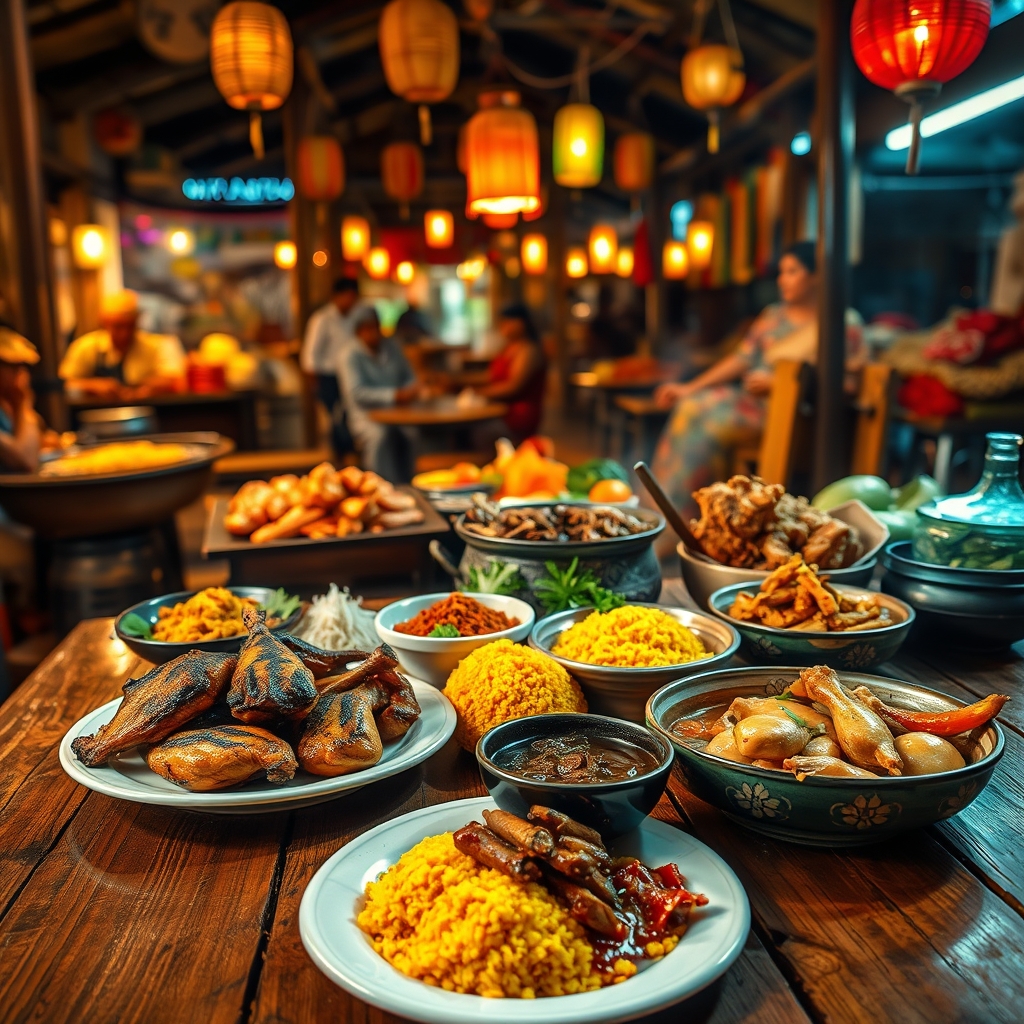
Indonesia’s culinary landscape is a vast, untamed wilderness of flavors, where each region crafts dishes that are as bold as the landscapes they come from. From the misty highlands of Aceh to the sun-baked shores of Madura, the archipelago’s cuisine is a testament to the ingenuity of its people—turning humble ingredients into dishes that linger in memory long after the last bite. These are not just meals; they are stories of survival, celebration, and the relentless pursuit of flavor, passed down through generations like heirlooms.
The Fiery Heart of Lombok: Ayam Taliwang
In the shadow of Mount Rinjani, where the air is thick with the scent of grilled spices, Ayam Taliwang reigns supreme. This dish is not for the faint of heart—chicken marinated in a paste of shallots, garlic, chili, and shrimp paste, then grilled over open flames until the skin blisters and the meat absorbs the smoky essence of the fire. The final touch? A drizzle of lime and a scattering of fried shallots, adding a bright, crisp contrast to the dish’s deep, charred flavors. Ayam Taliwang is more than food; it’s a ritual, a dance between fire and spice that defines Lombok’s culinary identity.
The Spice-Drenched Legacy of Padang: Nasi Padang Minangkabau
No exploration of Indonesia’s regional dishes would be complete without Nasi Padang, the iconic feast of Minangkabau cuisine. The sight of a table laden with small plates—rendang, dendeng balado, gulai ayam, and sambal hijau—is a feast for the eyes as much as the palate. Each dish is a masterclass in balance: the tender beef rendang, slow-cooked in coconut milk and spices until it melts in the mouth; the fiery dendeng balado, where thin slices of beef jerky are smothered in a chili-tomato sauce; and the creamy gulai, a curry that marries the richness of coconut with the earthiness of turmeric. Nasi Padang is not just a meal; it’s a celebration of Minangkabau culture, where every bite tells a story of migration, trade, and the unyielding spirit of a people.
The Devil’s Brew of Surabaya: Rawon Setan
In the bustling streets of Surabaya, where the heat of the day gives way to the cool of the evening, Rawon Setan emerges as a dish shrouded in legend. Named after the devil himself—*setan*—this black beef soup is a nocturnal indulgence, served in warungs that stay open until the early hours. The soup’s inky hue comes from keluak, a nut native to the mangroves of Sumatra, which lends a deep, earthy flavor that’s both mysterious and addictive. Paired with tender beef, crispy fried shallots, and a side of sambal, Rawon Setan is a dish that demands to be savored slowly, under the cover of darkness, where its flavors feel even more illicit.
The Sweet and Savory Symphony of Yogyakarta: Gudeg Yu Djum
In the cultural heart of Java, Gudeg is more than just a dish—it’s a symbol of Yogyakarta’s royal heritage. The version served at Yu Djum, a legendary warung, is a masterpiece of slow cooking: young jackfruit simmered for hours in coconut milk and palm sugar until it turns a deep, caramelized brown. The result is a dish that’s both sweet and savory, with a texture that’s soft yet slightly fibrous, like the threads of history that weave through the city. Served with crispy fried chicken, hard-boiled eggs, and a side of krecek (spicy cow skin crackers), Gudeg Yu Djum is a dish that transcends time, offering a taste of Java’s golden age in every bite.
The Coastal Charms of Makassar: Coto Makassar Asli
On the shores of Sulawesi, where the sea breeze carries the scent of spices and salt, Coto Makassar stands as a testament to the region’s maritime heritage. This beef soup is a labor of love, with meat and offal slow-cooked in a broth infused with lemongrass, galangal, and turmeric until the flavors meld into something rich and complex. The dish is traditionally served with ketupat (compressed rice cakes) and a generous sprinkle of fried shallots, adding a satisfying crunch to each spoonful. Coto Makassar is more than just a meal; it’s a connection to the sea, a reminder of the trade routes that once brought spices from across the archipelago to Makassar’s bustling ports.
The Spicy Secrets of Aceh: Mie Aceh Kepiting
In the northern tip of Sumatra, where the Indian Ocean crashes against the shore, Mie Aceh Kepiting is a dish that embodies the region’s fiery spirit. Thick, hand-pulled noodles are stir-fried with crab, prawns, and a generous helping of chili, creating a dish that’s as bold in flavor as it is in color. The secret lies in the spice paste—a blend of shallots, garlic, and chili that’s fried until fragrant, then tossed with the noodles and seafood until every strand is coated in a glossy, spice-infused sauce. Served with a wedge of lime and a side of acar (pickled vegetables), Mie Aceh Kepiting is a dish that lingers, both on the palate and in the memory.
These dishes are not just recipes; they are living legacies, each one a thread in the rich tapestry of Indonesia’s culinary history. To taste them is to embark on a journey across the archipelago, where every bite is a step deeper into the heart of a nation that has turned spice into an art form. Whether it’s the smoky allure of Ayam Taliwang or the sweet, slow-cooked perfection of Gudeg, these flavors are a testament to the creativity and resilience of Indonesia’s people—proof that the best stories are the ones told through food.