The Hidden Spice Chronicles: Indonesia’s Most Enigmatic Regional Dishes and the Stories They Keep Alive
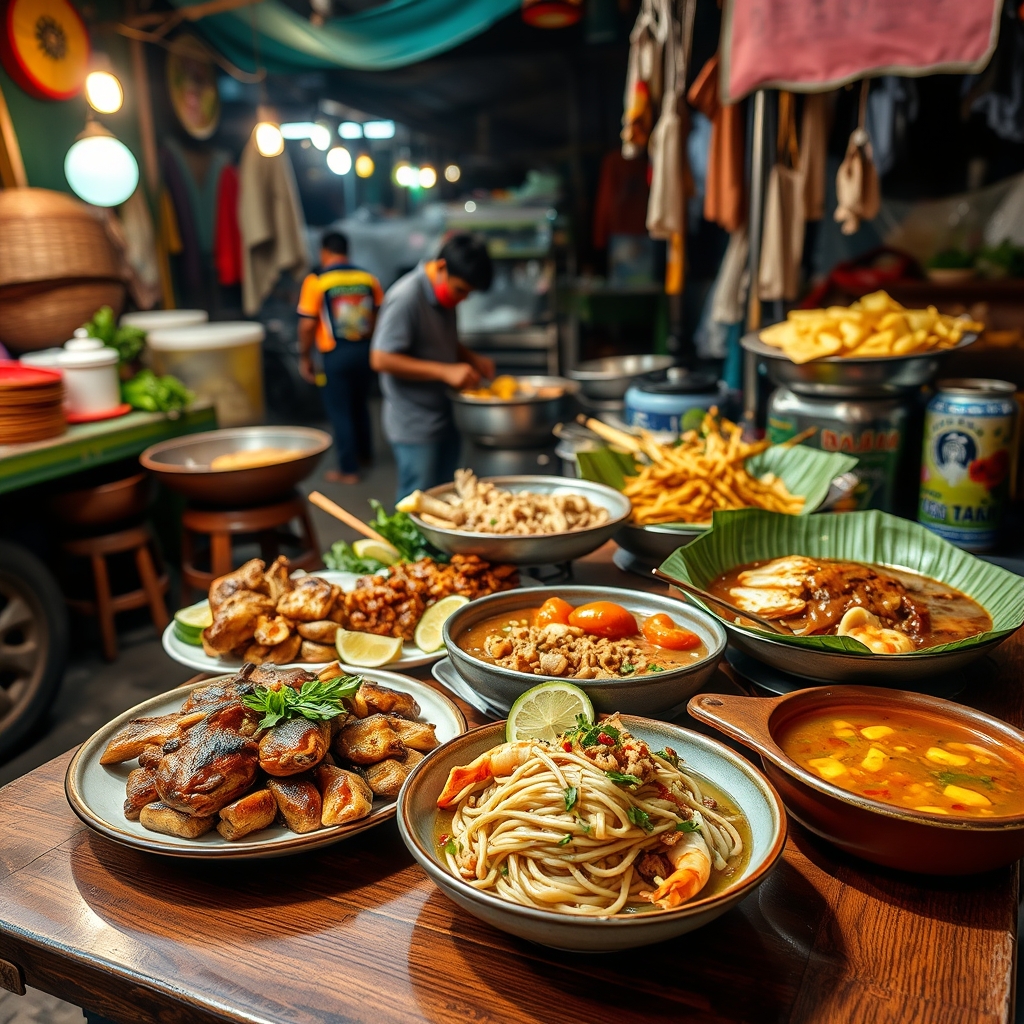
Indonesia’s culinary landscape is a vast and vibrant tapestry, woven with threads of history, culture, and an unyielding passion for flavor. Beyond the well-trodden paths of rendang and satay lies a world of dishes that carry the whispers of ancient spice routes, the resilience of coastal communities, and the ingenuity of highland kitchens. These are not just meals; they are stories served on plates, each bite a chapter in Indonesia’s rich and diverse narrative. Here, we uncover some of the most enigmatic regional dishes that have quietly shaped the nation’s culinary identity, waiting to be discovered by those willing to venture beyond the familiar.
The Fiery Alchemy of Lombok: Ayam Taliwang
In the sun-baked hills of Lombok, a dish was born that embodies the island’s fiery spirit: Ayam Taliwang. This grilled chicken dish is a masterclass in balance, where the heat of chili peppers meets the smoky depth of grilled meat, all harmonized by the tang of tamarind and the sweetness of palm sugar. The chicken is marinated in a paste of shallots, garlic, shrimp paste, and bird’s eye chilies, then grilled over an open flame until the skin crisps and the meat absorbs the smoldering essence of the spices. Served with plecing kangkung—a water spinach salad dressed in lime and chili—Ayam Taliwang is a testament to Lombok’s ability to turn simplicity into something extraordinary. It’s a dish that doesn’t just feed the body; it ignites the soul, leaving a lingering warmth that mirrors the island’s volcanic landscapes.
The Coastal Secrets of Aceh: Mie Aceh Kepiting
On the northern tip of Sumatra, where the Indian Ocean crashes against rugged shores, the people of Aceh have crafted a noodle dish that captures the essence of their coastal heritage. Mie Aceh Kepiting is a bold and aromatic stir-fry, where thick, yellow noodles are tossed with succulent crab meat, prawns, and a symphony of spices. The dish is infused with the flavors of lemongrass, galangal, and turmeric, creating a fragrant base that is both earthy and invigorating. What sets Mie Aceh apart is its unapologetic use of heat, with generous amounts of chili paste adding a fiery kick that reflects the region’s love for bold flavors. Served with a side of emping (crispy melinjo crackers) and a wedge of lime, this dish is a celebration of Aceh’s maritime culture, where the bounty of the sea meets the richness of the land.
The Sweet and Savory Harmony of Solo: Nasi Liwet
In the heart of Java, the royal city of Solo offers a dish that is as comforting as it is regal: Nasi Liwet. This fragrant rice dish is cooked in coconut milk and chicken broth, infused with lemongrass, pandan leaves, and a touch of garlic, creating a base that is both creamy and aromatic. The rice is typically served with a variety of accompaniments, including tender chicken, tempeh, hard-boiled eggs, and a rich, spiced coconut curry. What makes Nasi Liwet truly special is its ability to blend sweet and savory notes seamlessly, a hallmark of Javanese cuisine. The dish is often prepared for special occasions, where it is served on a bed of banana leaves, adding an earthy aroma that enhances the overall experience. Nasi Liwet is more than just a meal; it’s a culinary embrace, a dish that wraps you in the warmth of Solo’s rich cultural heritage.
The Bold and Unapologetic Flavors of Surabaya: Rawon Setan
Surabaya, Indonesia’s second-largest city, is known for its bold and unapologetic flavors, and nowhere is this more evident than in Rawon Setan. This dark, rich beef soup is a devilishly delicious creation, named after the word “setan” (devil) for its intense, almost sinful flavor. The soup’s signature black hue comes from the use of keluak nuts, a rare and prized ingredient that imparts a deep, earthy taste. The broth is simmered for hours with beef, lemongrass, galangal, and a blend of spices, resulting in a complex and hearty dish that is both comforting and invigorating. Served with a side of rice, bean sprouts, and sambal, Rawon Setan is a dish that demands to be savored, each spoonful a journey through Surabaya’s vibrant street food scene. It’s a testament to the city’s love for bold flavors and its ability to turn humble ingredients into something extraordinary.
The Coastal Delights of Makassar: Coto Makassar Asli
On the southern tip of Sulawesi, the city of Makassar is home to a dish that has become a symbol of its rich maritime culture: Coto Makassar. This hearty beef soup is a labor of love, where tender cuts of beef are simmered for hours in a broth infused with lemongrass, turmeric, and a blend of spices. The dish is thickened with ground peanuts, giving it a rich and creamy texture that is both satisfying and comforting. What sets Coto Makassar apart is its use of offal, including tripe and intestines, which add a unique depth of flavor and texture. Served with ketupat (compressed rice cakes) and a side of sambal, this dish is a celebration of Makassar’s culinary ingenuity, where every ingredient is used to its fullest potential. It’s a dish that tells the story of a city that has thrived on the bounty of the sea and the richness of the land.
The Sweet and Spicy Magic of Palembang: Pempek Kapal Selam
In the riverside city of Palembang, a dish was born that has become a beloved staple of Indonesian cuisine: Pempek. This fishcake, made from a blend of ground fish and tapioca flour, is a versatile and delicious creation that can be served in a variety of ways. One of the most popular variations is Pempek Kapal Selam, or “submarine pempek,” which is filled with a whole egg and served in a tangy, sweet, and spicy sauce known as cuko. The dish is a perfect balance of textures and flavors, with the chewy pempek contrasting beautifully with the creamy egg and the bold, tangy sauce. Pempek is more than just a snack; it’s a cultural icon, a dish that embodies the spirit of Palembang and its rich culinary heritage. It’s a reminder that sometimes, the most unassuming dishes carry the deepest stories.
Indonesia’s regional dishes are more than just food; they are a living testament to the nation’s diversity, resilience, and creativity. Each dish carries within it the stories of the people who created it, the landscapes that shaped it, and the traditions that have kept it alive. To taste these dishes is to embark on a journey through Indonesia’s rich and vibrant history, where every bite is a step closer to understanding the soul of the archipelago. These flavors are not just meant to be eaten; they are meant to be experienced, cherished, and passed down through generations, ensuring that the stories they carry will never be forgotten.