The Fiery and Fragrant Tapestry: Indonesia’s Coastal and Highland Dishes That Weave Spice into Every Bite
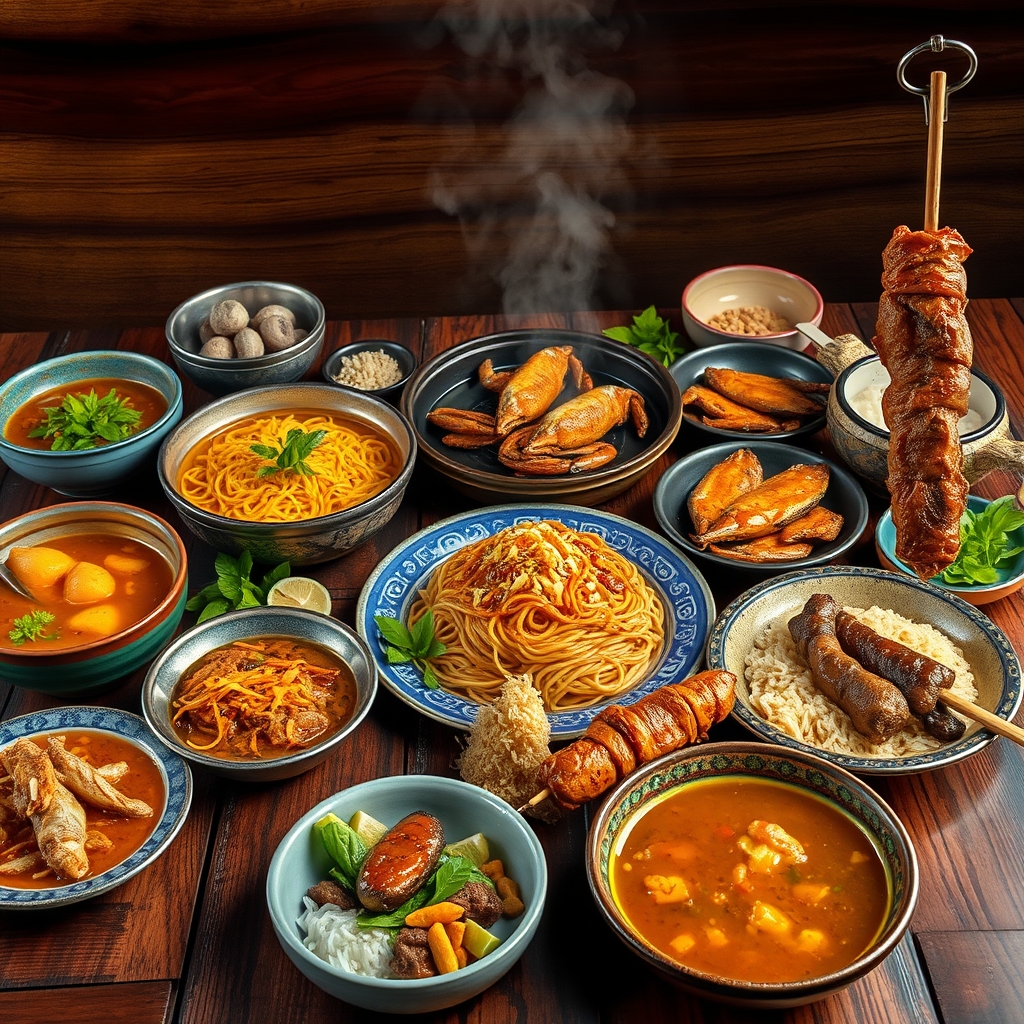
Indonesia’s culinary landscape is a vibrant mosaic where every region contributes its own fiery and fragrant masterpiece, a testament to the archipelago’s rich cultural tapestry. Beyond the well-trodden paths of rendang and satay lies a world of dishes that tell stories of coastal breezes, highland mist, and the unyielding spirit of local communities. These are the flavors that have simmered for generations, each bite a whisper of history, tradition, and the land itself.
The Coastal Charms: Where Sea Meets Spice
Along Indonesia’s sprawling coastline, the sea gifts its bounty to dishes that are as bold as they are delicate. Take Mie Aceh Kepiting, a noodle dish from Aceh that marries chewy, hand-pulled noodles with succulent crab meat, all bathed in a rich, spice-laden broth. The dish is a symphony of flavors—turmeric, lemongrass, and galangal dance together, creating a harmony that lingers long after the last bite. It’s a dish that speaks of Aceh’s strategic position on ancient spice routes, where traders once bartered not just goods, but stories and flavors that would shape the region’s culinary identity.
Further east, in the bustling streets of Surabaya, Rawon Setan emerges as a midnight favorite. This dark, brooding beef soup, colored by the earthy hue of keluak nuts, is a dish that doesn’t shy away from intensity. The name itself—”Setan” or “devil”—hints at its fiery reputation, a nod to the late-night crowds it draws. The soup’s deep, umami-rich broth is a labor of love, simmered for hours with a blend of spices that includes coriander, cumin, and candlenuts. Served with a side of rice and crispy shallots, Rawon Setan is a dish that warms the soul, a reminder of the comfort found in Indonesia’s street food culture.
The Highland’s Embrace: Where Mist Meets Fire
In the cool highlands of Java, Nasi Liwet Solo offers a gentler, yet equally captivating experience. This fragrant rice dish, cooked in coconut milk and infused with pandan leaves, is a staple at celebrations and family gatherings. The rice absorbs the creamy richness of the coconut, while the pandan lends a subtle floral note, creating a dish that is both comforting and elegant. Often served with chicken, tempeh, and a side of spicy sambal, Nasi Liwet Solo is a dish that embodies the warmth of Javanese hospitality, a culinary embrace that welcomes all who gather around the table.
Venture to the highlands of Lombok, and you’ll encounter Ayam Taliwang, a dish that captures the island’s fiery spirit. This grilled chicken dish is marinated in a paste of shallots, garlic, chili, and shrimp paste, then grilled over an open flame until the skin is crisp and the meat is tender. The result is a dish that is smoky, spicy, and utterly addictive. Ayam Taliwang is more than just a meal—it’s a celebration of Lombok’s agricultural heritage, where the land’s bounty is transformed into a dish that ignites the senses.
The Street Food Chronicles: Where Tradition Meets Innovation
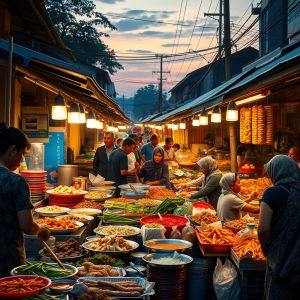
Indonesia’s street food scene is a playground of flavors, where tradition and innovation collide in the most delicious ways. In the heart of Yogyakarta, Sate Klatak Bantul stands out as a testament to the creativity of local vendors. Unlike traditional satay, which is skewered on bamboo sticks, Sate Klatak uses iron skewers, allowing the meat to cook evenly and absorb the smoky flavors of the grill. The skewers are served with a side of lontong (compressed rice cakes) and a rich, spicy peanut sauce, creating a dish that is both hearty and full of character. It’s a dish that reflects the ingenuity of Indonesia’s street food vendors, who turn simple ingredients into extraordinary experiences.
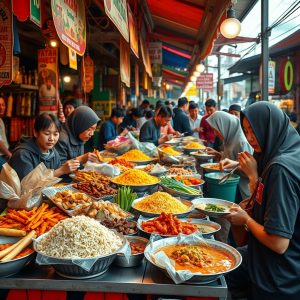
In the vibrant city of Makassar, Coto Makassar Asli is a dish that commands attention. This hearty soup, made with beef and offal, is simmered in a broth infused with turmeric, lemongrass, and a blend of local spices. The dish is traditionally served with ketupat (rice cakes) and a side of sambal, creating a meal that is as complex as it is satisfying. Coto Makassar is a dish that tells the story of Makassar’s maritime history, where the flavors of the sea and the land come together in a bowl of rich, aromatic broth.
The Sweet and the Spicy: Indonesia’s Culinary Duality
Indonesia’s culinary landscape is a study in contrasts, where sweet and spicy coexist in perfect harmony. In the streets of Medan, Bika Ambon is a sweet treat that has captured the hearts of many. This honeycomb cake, made from tapioca flour, coconut milk, and palm sugar, is a textural delight—crispy on the outside, soft and chewy on the inside. The cake’s golden hue and caramelized edges are a testament to the skill of local bakers, who have perfected the art of balancing sweetness and spice. Bika Ambon is a dish that embodies the duality of Indonesian cuisine, where every bite is a dance between flavors.
On the other end of the spectrum, Sate Padang Pariaman delivers a fiery punch that is not for the faint of heart. This satay, hailing from West Sumatra, is made with beef or offal, marinated in a blend of turmeric, chili, and other spices, then grilled to perfection. The skewers are served with a thick, spicy sauce made from rice flour, chili, and beef broth, creating a dish that is as bold as it is flavorful. Sate Padang Pariaman is a dish that celebrates the Minangkabau people’s love for spice, a culinary tradition that has been passed down through generations.
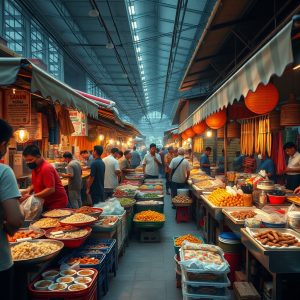
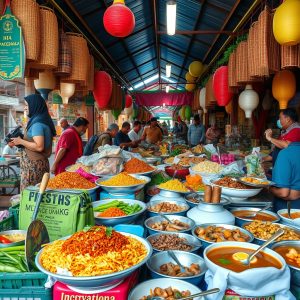
Indonesia’s regional dishes are more than just food—they are a living, breathing testament to the archipelago’s rich cultural heritage. Each dish tells a story, a tale of land and sea, of tradition and innovation, of the people who have shaped these flavors over centuries. To taste these dishes is to embark on a journey, one that takes you from the bustling streets of Surabaya to the misty highlands of Lombok, from the coastal charm of Aceh to the vibrant markets of Makassar. It’s a journey that reminds us that food is not just sustenance, but a celebration of life itself, a tapestry of flavors that weaves together the past, present, and future of a nation.