The Forgotten Firepots: Indonesia’s Regional Dishes That Simmer with Untold Stories and Spice
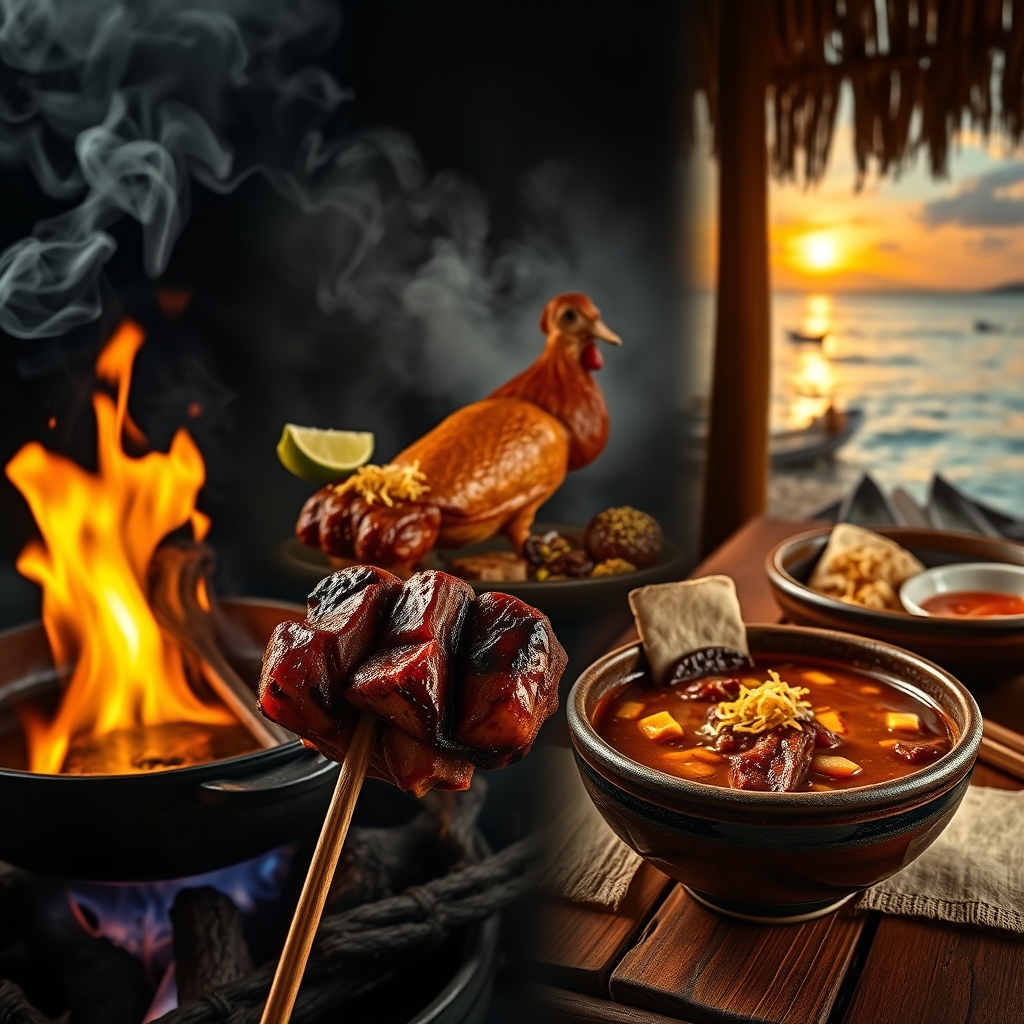
Indonesia’s culinary landscape is a vast, simmering cauldron of flavors, where each region stirs its own pot of history, culture, and spice. Beyond the well-trodden paths of rendang and satay lies a world of dishes that are less celebrated but no less extraordinary. These are the firepots of Indonesia—dishes that bubble with untold stories, where every ingredient is a whisper from the past, and every bite is a journey through time. From the highlands to the coasts, these regional delicacies are not just meals; they are living legacies, waiting to be discovered.
The Smoky Embrace of Sate Klatak Bantul
In the heart of Yogyakarta, where the air is thick with the scent of grilled meat and woodfire, Sate Klatak stands as a testament to simplicity and tradition. Unlike its more famous cousin, satay, which is skewered on bamboo sticks and slathered in sweet soy sauce, Sate Klatak is a study in minimalism. The meat—usually goat or lamb—is threaded onto iron skewers and grilled over an open flame, its edges charring to a smoky crisp while the inside remains tender and juicy. The name itself, “klatak,” refers to the sound the skewers make when they clatter against the grill, a rhythmic symphony that has echoed through Bantul’s streets for generations. Served with nothing more than a sprinkle of salt and a wedge of lime, this dish is a reminder that sometimes, the most profound flavors need no embellishment.
The Devil’s Brew: Rawon Setan Surabaya
Surabaya’s Rawon Setan is not for the faint of heart. This dark, brooding beef soup is named after the devil himself—”setan”—a nod to its intense, almost sinful richness. The secret lies in the keluak nuts, which lend the broth its deep, earthy hue and a flavor that is at once nutty, bitter, and profoundly savory. Rawon Setan is a dish that demands to be savored slowly, its layers of spice—turmeric, galangal, lemongrass—unfolding with each spoonful. It’s a dish that doesn’t just feed the body; it awakens the soul, a fiery elixir that has fueled the city’s workers and wanderers for centuries.
The Sweet and Spicy Alchemy of Ayam Taliwang Lombok
On the sun-drenched island of Lombok, Ayam Taliwang is more than just grilled chicken—it’s a celebration of spice and fire. The dish begins with a whole chicken, marinated in a paste of shallots, garlic, chili, and shrimp paste, then grilled over coconut husks until the skin is crisp and the meat is infused with smoky, charred notes. The real magic happens when it’s slathered in plecing sauce, a fiery concoction of chili, lime, and tomato that cuts through the richness of the meat like a bolt of lightning. Ayam Taliwang is a dish that embodies the spirit of Lombok—bold, unapologetic, and impossible to forget.
The Hidden Depths of Coto Makassar Asli
In the bustling streets of Makassar, Coto Makassar is a dish that tells the story of a city built on trade and tradition. This hearty beef soup is a symphony of textures and flavors, where tender cuts of meat, offal, and bone marrow swim in a broth thickened with ground peanuts and enriched with turmeric and coriander. The dish is served with ketupat, compressed rice cakes that soak up the broth like sponges, and a side of sambal for those who dare to turn up the heat. Coto Makassar is more than just a meal; it’s a cultural experience, a taste of the Sulawesi seas and the spice routes that have shaped the region for centuries.
The Coastal Whispers of Kupang Lontong Sidoarjo
On the eastern edge of Java, where the Brantas River meets the sea, Kupang Lontong is a dish that captures the essence of coastal living. Tiny clams, known as kupang, are simmered in a fragrant broth of shallots, garlic, and turmeric, then served over compressed rice cakes and topped with a generous helping of fried shallots. The dish is a harmony of textures—creamy, chewy, crispy—and flavors that dance between the briny sweetness of the sea and the earthy warmth of the spices. Kupang Lontong is a reminder that some of Indonesia’s most extraordinary dishes are born from the humblest of ingredients, where the sea and the soil come together in perfect balance.
The Spice-Infused Legacy of Mie Aceh Kepiting
In the northern tip of Sumatra, where the Indian Ocean crashes against the shores, Mie Aceh Kepiting is a dish that carries the echoes of ancient spice traders. This noodle dish is a riot of color and flavor, where thick, chewy noodles are stir-fried with crab, shrimp, and a medley of spices—cumin, coriander, turmeric—that have been used in Aceh for centuries. The dish is finished with a squeeze of lime and a sprinkle of fried shallots, its flavors bright and bold, a testament to the region’s history as a crossroads of cultures. Mie Aceh Kepiting is not just a meal; it’s a taste of the spice routes that once made Aceh one of the wealthiest kingdoms in the archipelago.
These dishes are more than just food; they are the keepers of stories, the guardians of traditions that have been passed down through generations. They are the firepots of Indonesia, simmering with the flavors of the land, the sea, and the people who call this vast archipelago home. To taste them is to take a journey—not just across the country, but through time itself, where every bite is a step deeper into the heart of Indonesia’s culinary soul.