From Coast to Highlands: Indonesia’s Most Mesmerizing Regional Dishes and the Stories They Carry
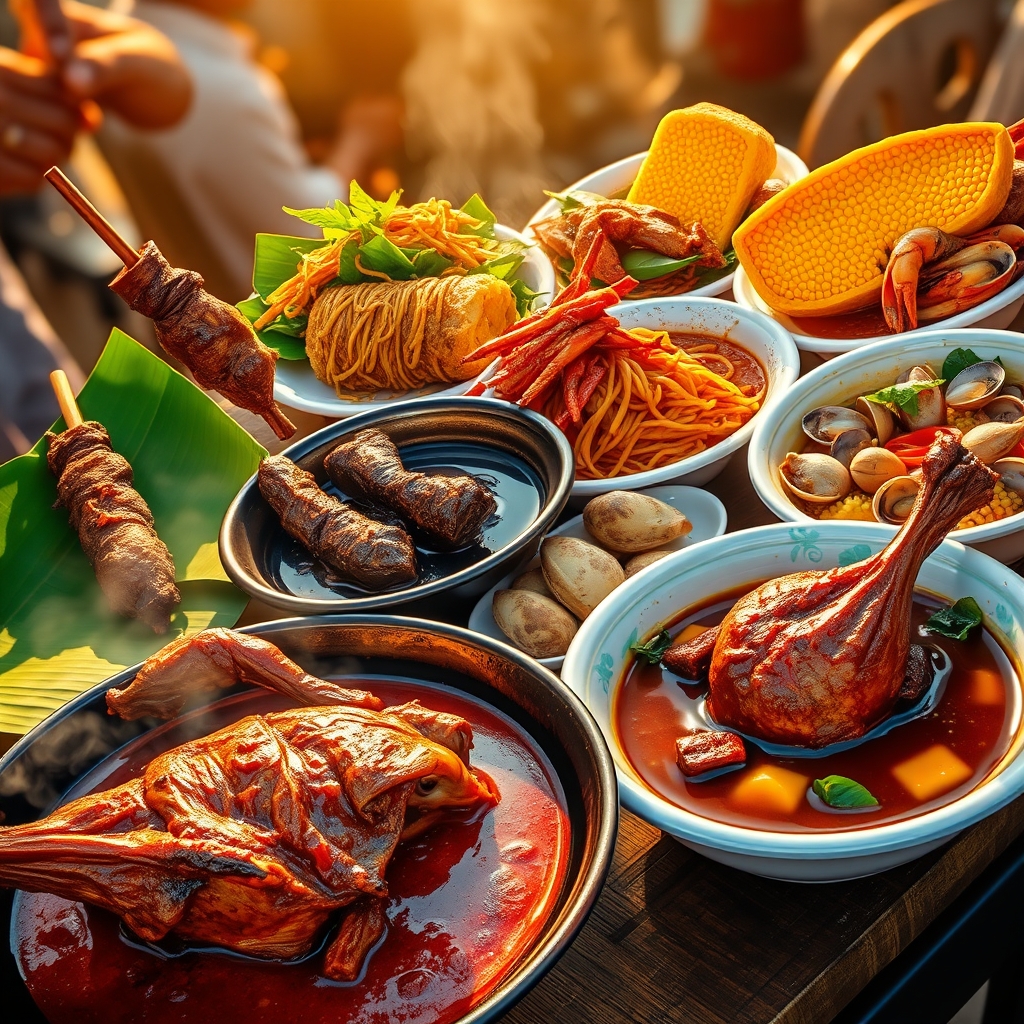
Indonesia’s culinary landscape is a vibrant tapestry woven with threads of history, culture, and geography. Each region boasts dishes that are not just meals but narratives—stories of trade, migration, and tradition simmered into every bite. These are the flavors that define communities, evoke memories, and invite travelers to taste the soul of the archipelago. Among the countless treasures, a few stand out for their boldness, their uniqueness, and the way they encapsulate the spirit of their origins.
The Fiery Allure of Ayam Taliwang Lombok
On the sun-drenched island of Lombok, Ayam Taliwang reigns as a fiery testament to Sasak culinary prowess. This grilled chicken dish is marinated in a paste of shallots, garlic, chili, and shrimp paste, then charred over an open flame until the skin crisps and the meat absorbs the smoky essence. What sets it apart is the final drizzle of *plecing* sauce—a tangy, spicy concoction of chili, lime, and tomatoes that cuts through the richness. The dish is named after Taliwang, a village near Mataram, where it was first perfected. Locals swear by its ability to cool the body in Lombok’s tropical heat, a paradox that only adds to its mystique.
The Legend of Gudeg Yu Djum
In the heart of Yogyakarta, Gudeg Yu Djum is more than a dish—it’s a legacy. This sweet and savory jackfruit stew, slow-cooked in coconut milk and palm sugar, traces its roots to the royal kitchens of the Mataram Sultanate. The name *Yu Djum* belongs to a woman who, in the 1950s, transformed the dish from palace fare into a street food sensation. Her secret? A blend of spices so precise that it’s said she could identify the exact moment the jackfruit reached perfect tenderness just by the aroma. Today, her descendants continue the tradition, serving Gudeg with krecek (spicy cow skin) and hard-boiled eggs, a harmony of textures and flavors that lingers long after the last bite.
The Dark Magic of Rawon Setan Surabaya
Surabaya’s Rawon Setan is a dish that lives up to its name—*Setan* means devil, and this black-hued beef soup is as intense as its moniker suggests. The dark color comes from *keluak*, a nut native to the mangroves of Sumatra, which lends an earthy, almost umami depth to the broth. The soup is a symphony of spices: turmeric, galangal, lemongrass, and a hint of tamarind for balance. Served with bean sprouts, salted eggs, and a side of fiery sambal, Rawon Setan is a dish that demands courage—and rewards it with layers of flavor that unfold with every spoonful. It’s said that the best Rawon is served late at night, when the city’s energy is at its peak, and the soup’s richness feels like a secret shared among those who dare to indulge.
The Delicate Crunch of Sate Klatak Bantul
While satay is ubiquitous across Indonesia, Sate Klatak from Bantul, near Yogyakarta, is in a league of its own. Unlike its skewered counterparts, this satay is made from chunks of goat meat threaded onto iron rods and grilled over an open flame. The iron conducts heat directly into the meat, creating a crispy exterior while keeping the inside tender and juicy. The name *klatak* refers to the sound the skewers make when they hit the grill—a rhythmic sizzle that’s as much a part of the experience as the taste. Served with a simple dip of sweet soy sauce and shallots, Sate Klatak is a celebration of minimalism, where the quality of the meat and the skill of the griller take center stage.
The Coastal Charms of Mie Aceh Kepiting
On the northern tip of Sumatra, Mie Aceh Kepiting is a dish that embodies the region’s maritime heritage. This noodle dish is a riot of flavors—thick, chewy noodles stir-fried with crab, prawns, and a medley of spices, including turmeric, coriander, and lemongrass. The broth, rich with coconut milk and a hint of tamarind, ties everything together in a creamy, spicy embrace. What makes Mie Aceh unique is its *kepiting* (crab), which is often served whole, its sweet meat contrasting with the fiery heat of the sauce. The dish is a testament to Aceh’s history as a trading hub, where spices from the Moluccas and seafood from the Indian Ocean collide in a symphony of taste.
The Sweet Simplicity of Bika Ambon Medan
In the bustling streets of Medan, Bika Ambon is a dessert that defies expectations. Despite its name, it has no connection to Ambon—it’s a Medan original, a spongy, honeycomb-like cake made from tapioca flour, coconut milk, and palm sugar. The cake’s signature texture comes from a slow baking process that creates air pockets, giving it a light yet chewy consistency. Traditionally flavored with pandan or banana, Bika Ambon is often enjoyed with a cup of strong Sumatran coffee, its sweetness balancing the bitterness of the brew. The dish is a reminder that sometimes, the simplest flavors are the most enduring.
The Unlikely Star: Kupang Lontong Sidoarjo
In the small town of Sidoarjo, East Java, Kupang Lontong is a dish that turns humble ingredients into something extraordinary. Kupang, tiny clams harvested from the mudflats, are simmered in a fragrant broth of shallots, garlic, turmeric, and lemongrass, then served over compressed rice cakes (*lontong*) and topped with crispy fried shallots. The dish is a study in contrasts—soft clams against the firm bite of lontong, the richness of the broth tempered by the freshness of lime. It’s a dish that speaks to the resourcefulness of coastal communities, where even the smallest creatures can become the star of a feast.
These dishes are more than just food; they are chapters in Indonesia’s culinary story, each one a testament to the creativity and resilience of the people who created them. To taste them is to travel—to stand in the shadow of Lombok’s volcanoes, to wander the streets of Yogyakarta at dawn, to feel the pulse of Surabaya’s night markets. They remind us that food is never just sustenance; it’s memory, identity, and connection, served on a plate.