Indonesia’s Culinary Canvas: The Vibrant Stories Behind 10 Lesser-Known Regional Masterpieces
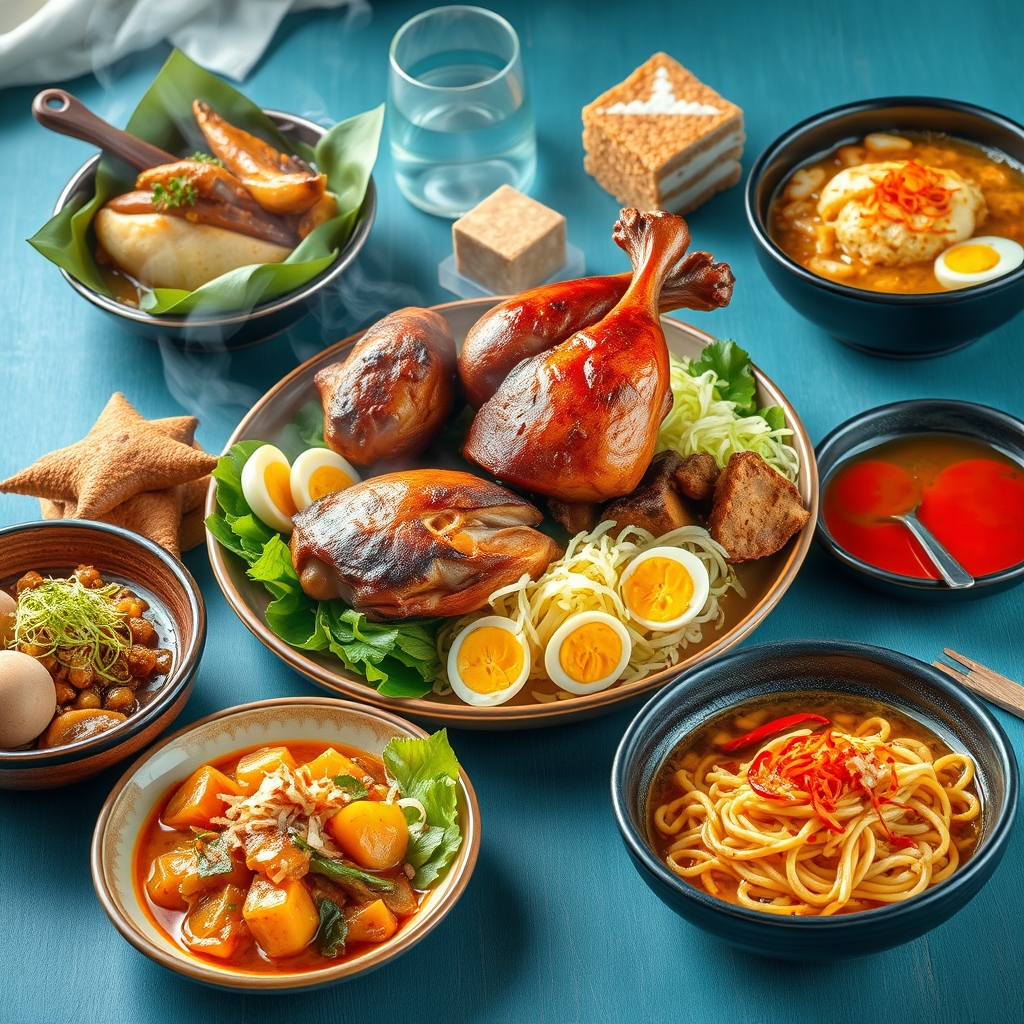
Indonesia’s culinary landscape is a living museum, where every dish carries the whispers of history, the warmth of tradition, and the boldness of local ingenuity. While rendang and nasi goreng often steal the spotlight, the archipelago’s lesser-known regional dishes offer an equally mesmerizing journey—one that reveals the soul of communities through flavors, textures, and time-honored techniques. These are not just meals; they are stories served on a plate, waiting to be savored.
The Fiery Allure of Ayam Taliwang Lombok
Hailing from the sun-drenched island of Lombok, Ayam Taliwang is a dish that commands attention. The chicken, grilled over an open flame, is slathered in a paste of shallots, garlic, chili, and shrimp paste, creating a symphony of heat and smokiness. What sets it apart is the final touch: a drizzle of kaffir lime juice and a sprinkle of grated coconut, adding a citrusy brightness that cuts through the spice. Traditionally served with plecing kangkung—a water spinach salad bathed in a tangy tomato-chili sauce—this dish is a testament to Lombok’s love affair with bold, unapologetic flavors.
The Secret Behind the Heat
The chili used in Ayam Taliwang isn’t just any chili; it’s the local *cabe rawit*, small but mighty, grown in the volcanic soils of Lombok. The island’s farmers have perfected its cultivation over generations, ensuring that every bite delivers a consistent, fiery punch. The dish’s name itself is derived from the village of Taliwang, where it was first crafted, and today, it stands as a symbol of Lombok’s culinary identity.
The Sweet and Savory Magic of Gudeg Yu Djum
In the heart of Yogyakarta, Gudeg Yu Djum has been a beloved staple for over half a century. Unlike the more commonly known Gudeg, which is often sweet and mild, this version is a masterful balance of sweet, savory, and spicy. The young jackfruit is slow-cooked for hours in coconut milk and palm sugar, absorbing the rich, caramelized flavors. What makes Gudeg Yu Djum unique is its use of *krecek*—crispy beef skin—that adds a delightful crunch to the otherwise soft, tender jackfruit.
A Legacy of Flavor
Yu Djum, the matriarch behind the dish, began selling Gudeg from a humble street stall in the 1950s. Her secret? A blend of spices passed down through generations, including galangal, coriander, and bay leaves, which infuse the dish with its signature depth. Today, her descendants continue the tradition, serving Gudeg in banana leaves for an authentic touch that transports diners back in time.
The Dark and Mysterious Rawon Setan Surabaya
Surabaya’s Rawon Setan is not for the faint of heart. This midnight-black beef soup, named after the devil (*setan*) for its late-night allure, is a culinary enigma. The dark hue comes from *keluak*, a rare Indonesian nut that imparts an earthy, slightly bitter flavor. Combined with lemongrass, turmeric, and a medley of spices, the broth is rich, aromatic, and deeply comforting. Served with bean sprouts, salted eggs, and a side of sambal, Rawon Setan is a dish that lingers in the memory long after the last spoonful.
The Midnight Ritual
Rawon Setan is traditionally eaten after dark, when the streets of Surabaya come alive with the sizzle of street food stalls. The dish’s late-night appeal is tied to its origins as a post-shift meal for laborers and night owls. The slow-cooked beef, tender and succulent, is a reward for those who seek it out, making Rawon Setan more than just a meal—it’s an experience.
The Delicate Crunch of Klappertaart Manado
From the lush highlands of North Sulawesi comes Klappertaart, a dessert that marries the tropical sweetness of coconut with the buttery richness of a custard tart. Unlike traditional tarts, Klappertaart is steamed, giving it a uniquely soft, almost pudding-like texture. The top is sprinkled with toasted coconut flakes, adding a satisfying crunch that contrasts beautifully with the creamy filling. Served warm or chilled, it’s a dessert that feels like a hug from the tropics.
A Fusion of Cultures
Klappertaart’s origins trace back to the Dutch colonial era, when European baking techniques met Indonesian ingredients. The name itself is a blend of Dutch (*taart* for tart) and Indonesian (*klapper* for coconut). Over time, the recipe evolved, incorporating local flavors like pandan and vanilla, making it a true fusion of East and West. Today, it’s a staple at celebrations and family gatherings, a sweet reminder of Manado’s multicultural heritage.
The Spicy Elegance of Mie Aceh Kepiting
Mie Aceh Kepiting is a dish that embodies the bold spirit of Aceh. Thick, hand-pulled noodles are stir-fried with succulent crab meat, tomatoes, and a fiery blend of chili, shallots, and turmeric. The dish is finished with a squeeze of lime and a sprinkle of fried shallots, adding layers of brightness and crunch. Unlike other Indonesian noodle dishes, Mie Aceh is hearty and robust, a reflection of Aceh’s coastal bounty and its love for intense flavors.
A Taste of the Sea
The crab used in Mie Aceh Kepiting is often sourced from the waters off the coast of Aceh, where the Indian Ocean meets the Strait of Malacca. The dish’s spiciness is a nod to the region’s history as a spice trade hub, where chili and other aromatics were once as valuable as gold. Today, Mie Aceh Kepiting is a must-try for anyone seeking a taste of Aceh’s culinary prowess.
These dishes are more than just food; they are a celebration of Indonesia’s diversity, a testament to the creativity and resilience of its people. Each bite tells a story of land and sea, of tradition and innovation, of communities bound together by a shared love of flavor. To explore these regional masterpieces is to embark on a journey through the heart of the archipelago, where every meal is an invitation to connect, to remember, and to savor.