Indonesia’s Coastal and Highland Feasts: A Culinary Voyage from Aceh to Sulawesi
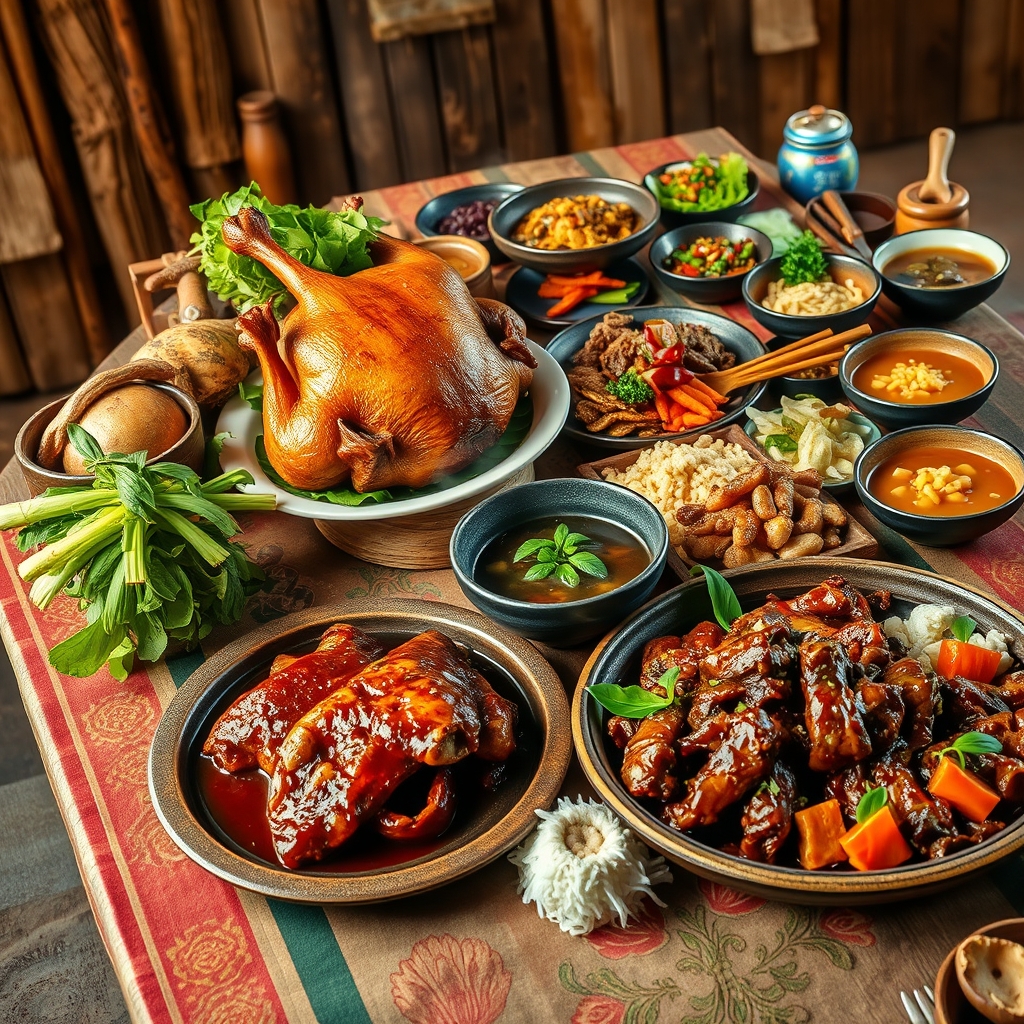
Indonesia’s culinary landscape is as vast and varied as its archipelago, with each region offering a unique symphony of flavors shaped by geography, history, and culture. From the fiery spices of Aceh to the rich, coconut-infused dishes of Sulawesi, the country’s coastal and highland regions serve up dishes that are as bold in taste as they are steeped in tradition. This journey takes us through some of Indonesia’s most captivating regional feasts, where every bite tells a story of heritage and innovation.
The Spice-Infused Highlands of Aceh and Lombok
Aceh, the northernmost province of Sumatra, is a land where the air is thick with the scent of spices and the echoes of a rich maritime history. Here, Ayam Tangkap reigns supreme—a dish that captures the essence of Acehnese cuisine. Unlike typical fried chicken, Ayam Tangkap is a fragrant masterpiece, where chicken pieces are marinated in a blend of turmeric, coriander, lemongrass, and galangal before being deep-fried to crispy perfection. The dish is then generously topped with an assortment of fresh herbs like basil, mint, and pandan leaves, creating a vibrant medley of flavors that dance on the palate. Served with steamed rice and a side of sambal, Ayam Tangkap is a celebration of Aceh’s spice trade legacy, where every bite is a reminder of the region’s historical connections to the ancient spice routes.
Traveling eastward to the island of Lombok, we encounter Ayam Taliwang, a dish that embodies the fiery spirit of the Sasak people. This grilled chicken dish is not for the faint of heart—marinated in a potent blend of chili, garlic, shallots, and shrimp paste, then grilled over an open flame until charred and smoky. The result is a dish that is both intensely spicy and deeply flavorful, often served with plecing kangkung (water spinach in spicy tomato sauce) and steamed rice. Ayam Taliwang is more than just a meal; it’s a cultural experience, reflecting the resilience and vibrancy of Lombok’s people.
The Coastal Delights of Java and Madura
Java, the heart of Indonesia, is home to a plethora of coastal dishes that showcase the island’s love affair with seafood and bold flavors. In Surabaya, Rawon Setan (Devil’s Rawon) is a dish that lives up to its name. This dark, rich beef soup is made with a blend of spices including keluak, a black nut that gives the dish its distinctive color and earthy flavor. The soup is often served with a side of sambal, fried shallots, and a hard-boiled egg, creating a hearty and satisfying meal that is said to be so delicious, it’s almost sinful. Rawon Setan is typically enjoyed late at night, making it a favorite among night owls and food enthusiasts seeking a taste of Surabaya’s culinary underworld.
Crossing the narrow strait to Madura, we find Bebek Sinjay, a dish that has gained a cult following across Indonesia. This Madurese specialty features duck that is first boiled, then deep-fried until crispy, and finally simmered in a rich, spiced coconut milk broth. The result is a dish that is both tender and crispy, with a broth that is creamy and aromatic. Bebek Sinjay is often served with lontong (compressed rice cakes) and a side of sambal, making it a meal that is as comforting as it is indulgent. The dish’s popularity has spread far beyond Madura, with many Indonesian foodies making the pilgrimage to its birthplace just to taste the original version.
The Hidden Treasures of Sulawesi and Kalimantan
Sulawesi, with its rugged coastline and lush highlands, is a treasure trove of unique culinary delights. In Makassar, Coto Makassar Asli is a dish that has stood the test of time. This traditional beef soup is made with a complex blend of spices, including coriander, cumin, and turmeric, and is often served with ketupat (rice cakes) and a side of sambal. What sets Coto Makassar apart is its use of offal, which adds a rich, gamey flavor to the broth. The dish is a testament to Makassar’s maritime history, where every ingredient tells a story of trade and cultural exchange.
In the southern reaches of Kalimantan, Soto Banjar offers a taste of the region’s rich culinary heritage. This chicken soup is made with a fragrant blend of spices, including cinnamon, cardamom, and cloves, giving it a warm, aromatic flavor. The soup is often served with ketupat and a side of sambal, making it a comforting and satisfying meal. Soto Banjar is more than just a dish; it’s a reflection of Banjarese culture, where food is a symbol of hospitality and community.
The Sweet and Savory Charms of Sumatra and Beyond
No culinary journey through Indonesia would be complete without a stop in Padang, the capital of West Sumatra, where Nasi Padang Minangkabau reigns supreme. This iconic dish is a feast for the senses, featuring a spread of small dishes served with steamed rice. From rendang (slow-cooked beef in coconut milk and spices) to gulai (curried dishes) and sambal, Nasi Padang is a celebration of Minangkabau cuisine, where every dish is a masterpiece of flavor and technique. The communal style of serving, where diners choose from an array of dishes, reflects the Minangkabau people’s emphasis on togetherness and shared experiences.
In the bustling streets of Yogyakarta, Sate Klatak Bantul offers a unique twist on the classic Indonesian satay. Unlike traditional satay, which is made with marinated meat, Sate Klatak is made with chunks of goat meat that are skewered and grilled over an open flame. The meat is seasoned simply with salt and pepper, allowing its natural flavors to shine. Served with a side of sweet soy sauce and lontong, Sate Klatak is a dish that is both simple and deeply satisfying, reflecting the culinary ingenuity of the Javanese people.
As we traverse Indonesia’s coastal and highland regions, it becomes clear that the country’s culinary diversity is a reflection of its rich cultural tapestry. Each dish, from the fiery Ayam Taliwang of Lombok to the comforting Soto Banjar of Kalimantan, tells a story of tradition, innovation, and the enduring spirit of its people. These flavors are not just meant to be tasted; they are meant to be experienced, savored, and shared, offering a glimpse into the soul of Indonesia’s vibrant and diverse culinary landscape. Whether you’re a seasoned foodie or a curious traveler, the dishes of Indonesia’s coastal and highland regions promise a journey that is as unforgettable as it is delicious.