
The Future of Flavor: Emerging Culinary Trends Shaping How We Eat
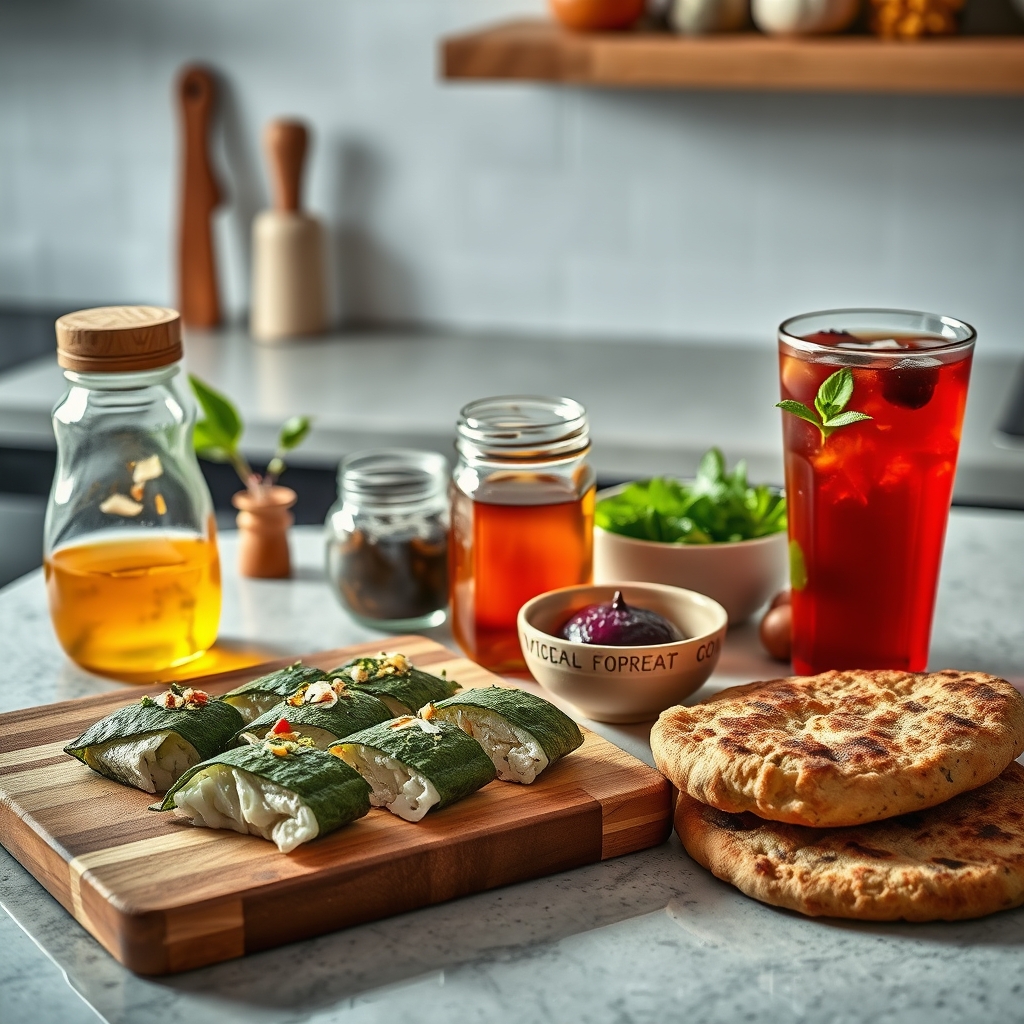
The culinary world is in the midst of a quiet revolution, one where tradition meets innovation in the most unexpected ways. From the rise of plant-based seafood that mimics the ocean’s bounty without harming marine life to the subtle complexity of mushroom coffee, modern food trends are redefining what it means to eat well. These shifts aren’t just about novelty—they reflect a deeper evolution in how we think about flavor, sustainability, and even our own well-being.
The Plant-Based Wave: Beyond the Basics
Plant-based eating has moved far beyond the realm of tofu and tempeh. Today, chefs and home cooks alike are exploring ingredients that replicate the textures and tastes of animal products with astonishing accuracy. Plant-based seafood, for instance, is gaining traction as a sustainable alternative to overfished species. Made from ingredients like konjac, seaweed, and pea protein, these products offer the briny, flaky experience of fish without the environmental toll. Brands are even experimenting with lab-grown seafood, pushing the boundaries of what’s possible in sustainable dining.
But it’s not just about replication. Fermented condiments like yuzu vinegar and gochujang glaze are adding depth and umami to dishes, proving that plant-based cuisine can be as bold and complex as any traditional recipe. These ingredients aren’t just substitutes—they’re stars in their own right, bringing new dimensions to everything from salads to stir-fries.
The Rise of Functional and Fermented Foods
Fermentation is having a moment, and for good reason. Beyond its ability to preserve food, fermentation unlocks flavors and health benefits that fresh ingredients simply can’t match. Take black garlic pasta, for example. The slow fermentation process transforms ordinary garlic into a sweet, molasses-like paste that adds richness to pasta dishes without overpowering them. Similarly, fermented condiments like miso-infused sauces or kimchi-based dressings are becoming staples in kitchens, offering probiotics and gut-friendly bacteria alongside their tangy, savory profiles.
Botanical elixirs and non-alcoholic aperitifs are also carving out space in the beverage world. These drinks, often infused with herbs, spices, and adaptogens, provide a sophisticated alternative to alcohol without sacrificing complexity. Hibiscus tea, for instance, is no longer just a simple herbal brew—it’s being used in mocktail blends that rival their boozy counterparts in depth and intrigue. The rise of these beverages speaks to a broader cultural shift toward mindful consumption, where flavor and function go hand in hand.
Sweet and Savory Innovations
The line between sweet and savory has never been blurrier—or more exciting. Pistachio cream, once a niche ingredient, is now a star in both desserts and savory dishes, lending its rich, nutty flavor to everything from gelato to pasta sauces. Ube desserts, with their vibrant purple hue and naturally sweet, vanilla-like taste, are popping up in bakeries and home kitchens alike, offering a tropical twist on classic treats. Even sweet potato flour is making waves as a gluten-free alternative that adds moisture and a subtle sweetness to baked goods.
Spicy honey and crispy chili oil are two more ingredients that are bridging the gap between sweet and savory. A drizzle of spicy honey can elevate a cheese board, while crispy chili oil adds a crunchy, fiery kick to noodles, dumplings, or even avocado toast. These ingredients prove that the best flavors are often the ones that surprise us, challenging our expectations and inviting us to experiment.
The Comfort Food Reinvention
Even classic comfort foods are getting a modern makeover. Smash burgers, with their crispy edges and juicy centers, have become a staple in both high-end restaurants and food trucks. The secret? A combination of high-heat cooking and simple, high-quality ingredients. Similarly, sourdough flatbread is being reimagined as a versatile base for everything from grain bowls to dessert pizzas, thanks to its tangy flavor and chewy texture.
Cold brew concentrate is another example of how familiar favorites are being transformed. No longer just a coffee shop staple, it’s now being used in cocktails, desserts, and even savory marinades, adding depth and richness without bitterness. Oat milk soft serve, with its creamy texture and neutral taste, is giving traditional ice cream a run for its money, proving that dairy-free alternatives can be just as indulgent.
The Role of Sustainability in Flavor
At the heart of many of these trends is a growing emphasis on sustainability. Regenerative grains, for example, are being championed for their ability to restore soil health while providing nutritious, flavorful alternatives to conventional wheat. These grains, like kernza and einkorn, are being used in everything from sourdough starters to artisanal pastas, offering a taste of the future of farming.
Even the way we think about waste is changing. Ingredients like spent coffee grounds (used in mushroom coffee) and fruit peels (infused into vinegars) are being repurposed to create new flavors and reduce food waste. This circular approach to cooking isn’t just good for the planet—it’s inspiring creativity in the kitchen, encouraging chefs and home cooks to think outside the box.
The culinary landscape is evolving at a rapid pace, but at its core, it’s still about connection—whether that’s to the food on our plates, the people we share it with, or the planet that sustains us. These emerging trends aren’t just fleeting fads; they’re a reflection of our collective desire to eat better, live better, and savor every bite along the way. As we continue to explore new flavors and ingredients, one thing is clear: the future of food is as exciting as it is delicious.