The Forgotten Flavors: Indonesia’s Regional Dishes That Dance Between Spice and Memory
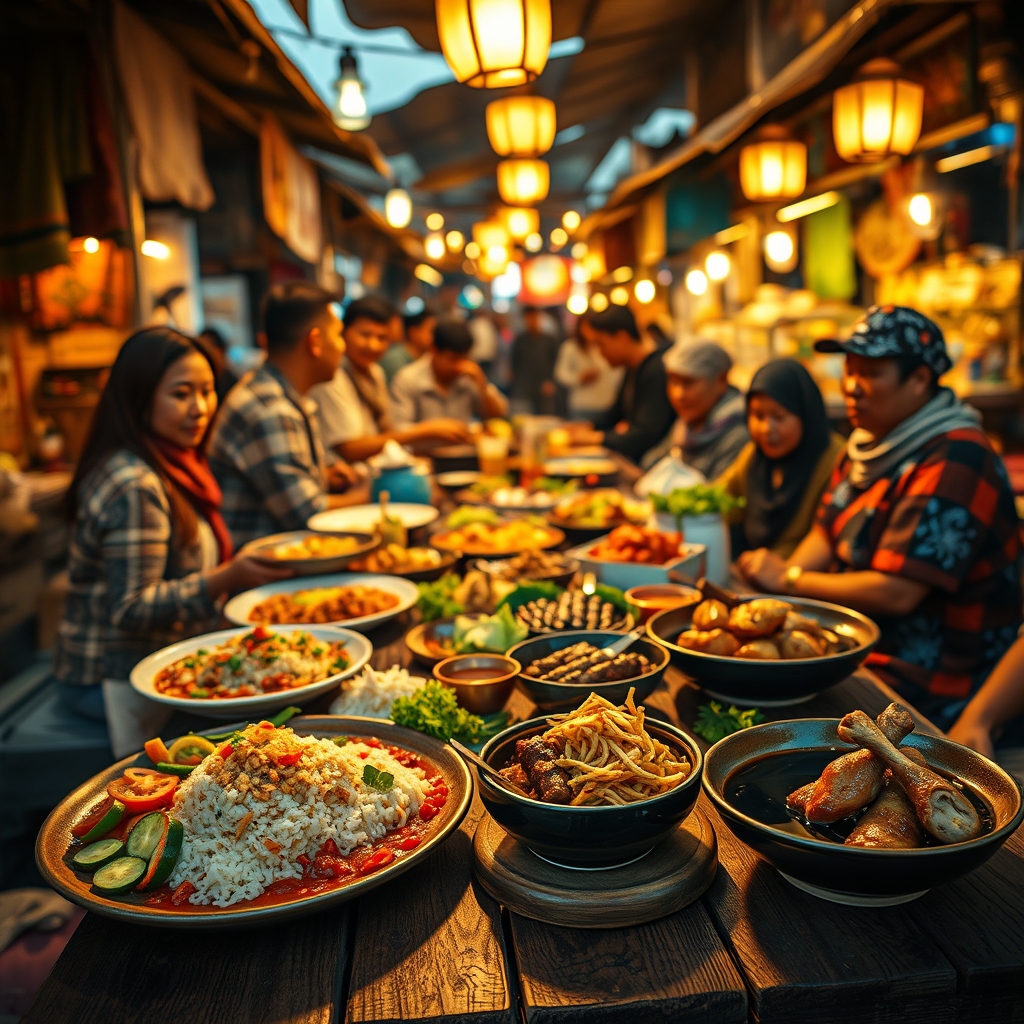
Indonesia’s culinary landscape is a vibrant mosaic of flavors, where each dish tells a story of its people, land, and history. Beyond the well-trodden paths of satay and rendang lies a treasure trove of regional delicacies, each a testament to the archipelago’s rich cultural tapestry. These dishes are not just meals; they are living legacies, passed down through generations, simmering with the secrets of spice and the whispers of tradition. Let’s embark on a journey to uncover some of Indonesia’s most enchanting yet underrated regional dishes, where every bite is a step deeper into the soul of the nation.
The Fiery Embrace of Aceh: Ayam Tangkap
In the northern reaches of Sumatra, where the air hums with the scent of cloves and lemongrass, Ayam Tangkap reigns as a dish of bold contrasts. Translating to “captured chicken,” this dish is a symphony of crispy fried chicken adorned with a medley of fresh herbs—lemongrass, kaffir lime leaves, and basil—tossed together in a wok until the aromas explode. The chicken, marinated in a blend of turmeric, coriander, and garlic, is fried to golden perfection, its skin shattering with each bite. The herbs, still vibrant and fragrant, cling to the chicken like a second skin, offering a burst of freshness that cuts through the richness. Ayam Tangkap is more than a dish; it’s a celebration of Aceh’s spice trade legacy, where every ingredient tells a story of journeys across oceans and mountains.
The Sweet and Savory Whispers of Yogyakarta: Sate Klatak
Venture into the heart of Java, where the ancient city of Yogyakarta cradles one of Indonesia’s most unique satay variations: Sate Klatak. Unlike its more famous cousins, Sate Klatak is made from tender chunks of goat or lamb, skewered on thick iron rods and grilled over an open flame. The name “klatak” refers to the sound the skewers make as they sizzle and pop on the grill, a rhythmic symphony that draws crowds to roadside stalls. The meat is seasoned simply with salt and garlic, allowing its natural flavors to shine, but the magic lies in the dipping sauce—a rich, slightly sweet concoction of kecap manis, tamarind, and chili. The result is a satay that is both rustic and refined, a dish that embodies the spirit of Yogyakarta’s royal heritage and its deep connection to the land.
The Spice-Drenched Legacy of Padang: Nasi Padang Minangkabau
No exploration of Indonesia’s regional cuisine would be complete without a nod to Nasi Padang, the iconic dish from West Sumatra that has captivated palates across the nation. This is not just a meal; it’s a feast, a spread of small dishes served atop a mound of steamed rice, each one a masterpiece of Minangkabau culinary artistry. From the fiery rendang to the tangy gulai and the crispy perkedel, every dish is a harmony of spices—turmeric, galangal, lemongrass, and chili—slow-cooked to perfection. The Minangkabau people, known for their matrilineal culture, have perfected the art of balancing flavors, creating dishes that are as complex as they are comforting. Nasi Padang is a testament to their ingenuity, a dish that invites you to savor the layers of spice and tradition in every bite.
The Coastal Charms of Makassar: Coto Makassar Asli
On the shores of South Sulawesi, where the waves of the Makassar Strait lap against the coast, Coto Makassar emerges as a dish of deep, earthy flavors. This hearty soup is a labor of love, made from slow-cooked beef or buffalo, simmered for hours with a blend of spices that includes coriander, cumin, and nutmeg. The broth, rich and fragrant, is poured over a bed of rice or ketupat (rice cakes) and topped with fried shallots, lime, and a dollop of sambal. What sets Coto Makassar apart is its use of kacang merah (red beans) and jantung pisang (banana heart), adding a unique texture and depth to the dish. It’s a dish that speaks of Makassar’s maritime history, where spices and ingredients from across the archipelago and beyond found their way into the local cuisine.
The Hidden Gems of Java’s Culinary Heartland
Java, the cultural and culinary heart of Indonesia, is home to a myriad of dishes that often escape the spotlight. In Surabaya, Rawon Setan (Devil’s Rawon) is a dish that lives up to its name—dark, mysterious, and irresistibly flavorful. Made with black nuts (keluak), this beef soup is a deep, inky black, its rich broth infused with a blend of spices that includes turmeric, galangal, and lemongrass. The dish is traditionally served with a side of rice, fried shallots, and sambal, its bold flavors a testament to Surabaya’s reputation as a city of fiery, unapologetic cuisine. Meanwhile, in Solo, Nasi Liwet offers a gentler, more aromatic experience. This fragrant rice dish is cooked in coconut milk and chicken broth, infused with lemongrass, pandan leaves, and garlic, and served with a variety of side dishes, from fried chicken to tempeh. It’s a dish that embodies the elegance of Javanese court cuisine, where every ingredient is chosen with care and every bite is a moment of quiet reflection.
The Sweet and Tangy Delights of Palembang: Mie Celor
Traveling to the southern reaches of Sumatra, we encounter Mie Celor, a noodle dish that is as unique as it is delicious. Unlike the more famous mie goreng or mie rebus, Mie Celor is a dish of soft, yellow noodles served in a light, tangy broth made from shrimp and chicken stock. The broth is seasoned with a touch of tamarind, giving it a subtle sourness that balances the richness of the shrimp and hard-boiled eggs that accompany the noodles. Topped with fried shallots and a sprinkle of celery, Mie Celor is a dish that is both comforting and refreshing, a perfect example of Palembang’s culinary creativity. It’s a dish that speaks of the city’s history as a trading hub, where flavors from across the region and beyond blended to create something entirely new.
The Spice of Life: Indonesia’s Regional Dishes as a Cultural Tapestry
These dishes are more than just food; they are a testament to Indonesia’s rich cultural diversity, where every region, every community, has its own story to tell through flavor. From the fiery streets of Surabaya to the serene rice fields of Solo, from the bustling markets of Makassar to the quiet villages of Aceh, each dish is a thread in the tapestry of Indonesia’s culinary heritage. They are dishes that have been shaped by history, by trade, by migration, and by the land itself, each one a unique expression of the people who created it. To taste them is to take a journey through time and space, to experience the soul of Indonesia in every bite. And perhaps, in savoring these forgotten flavors, we can begin to understand the true essence of a nation that is as diverse as it is united, as complex as it is harmonious.