
The Luminous Allure of Botanical Elixirs and Fermented Condiments: Crafting Flavor with Nature’s Hidden Gems
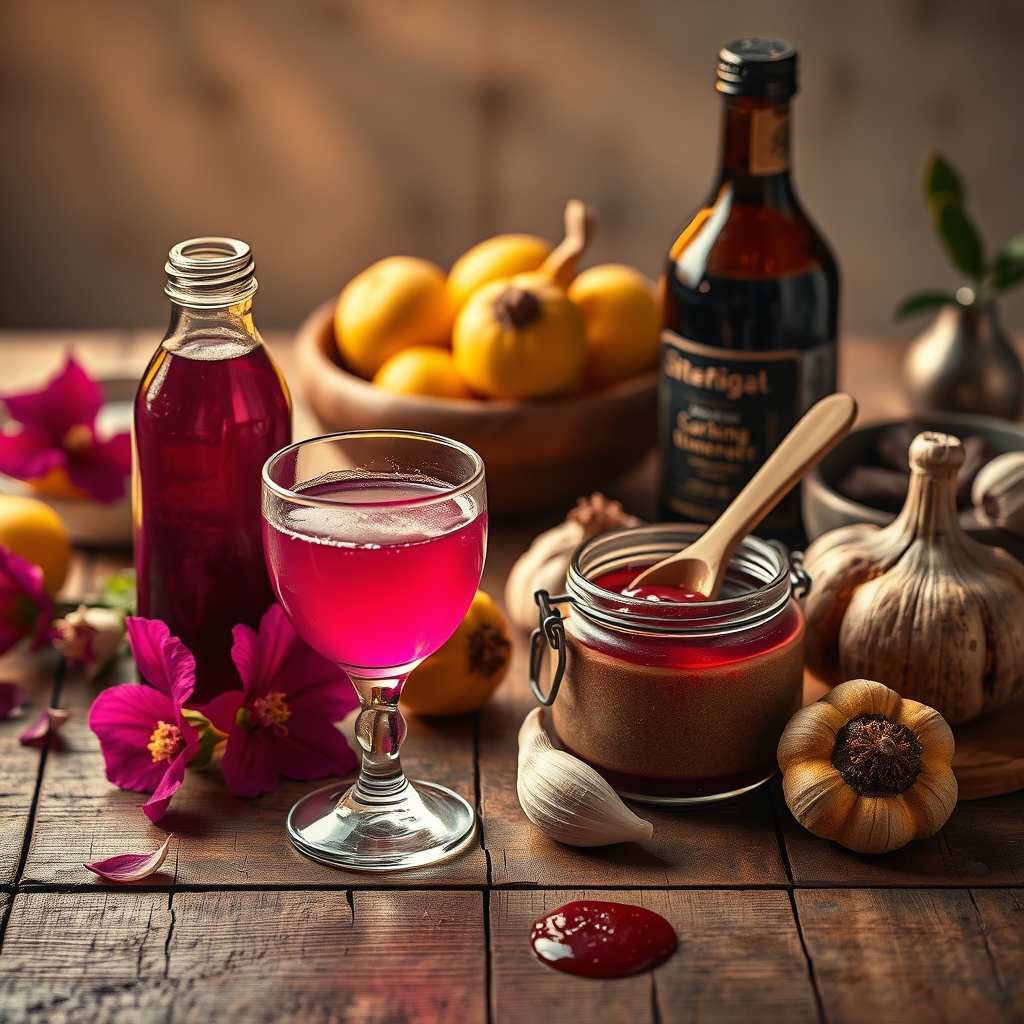
In a world where culinary boundaries are constantly being redefined, two categories of ingredients have emerged as silent powerhouses, transforming ordinary dishes into extraordinary experiences. Botanical elixirs and fermented condiments are not just trends—they are a testament to the artistry of flavor, where nature’s subtleties meet human ingenuity. These ingredients do more than enhance a meal; they tell a story of tradition, innovation, and the delicate balance between earth and palate.
The Renaissance of Botanical Elixirs
Botanical elixirs are the alchemists’ dream, blending herbs, flowers, roots, and spices into liquids that carry both depth and nuance. Unlike conventional beverages, these elixirs are not merely about refreshment; they are about transformation. Take hibiscus tea, for instance—a vibrant, tart infusion that has transcended its role as a simple drink to become a star ingredient in everything from glaze reductions to mocktail blends. Its deep magenta hue and tangy brightness can elevate a dish from ordinary to unforgettable, whether it’s drizzled over a citrusy ceviche or swirled into a creamy pistachio cream dessert.
Then there’s yuzu vinegar, a Japanese citrus elixir that marries the bright acidity of vinegar with the floral, almost tropical notes of yuzu. A few drops can brighten a rich black garlic pasta or cut through the richness of a smash burger, adding layers of complexity that salt and pepper alone could never achieve. These elixirs are not just condiments; they are the secret weapons of modern chefs, offering a way to infuse dishes with unexpected, yet harmonious, flavors.
The Science and Soul of Fermentation
Fermented condiments, on the other hand, are the result of time-honored techniques that harness the power of microbes to unlock flavors that are otherwise dormant in raw ingredients. Gochujang, the Korean chili paste, is a prime example—a fermented blend of chili peppers, glutinous rice, and soybeans that delivers a deep, umami-rich heat. When used as a glaze for roasted vegetables or a marinade for plant-based seafood, it doesn’t just add spice; it adds soul, creating a symphony of sweet, savory, and spicy notes that linger on the palate.
But fermentation isn’t just about heat and intensity. Consider the delicate tang of a well-crafted sourdough flatbread, where wild yeast and lactic acid bacteria work in tandem to create a crust that’s crisp yet chewy, with a flavor that’s as complex as it is comforting. Or the funky, almost caramelized depth of black garlic, which transforms simple pasta dishes into gourmet experiences with its molasses-like sweetness and umami punch. These condiments are proof that patience and science can yield flavors that are nothing short of magical.
Bridging Tradition and Innovation
What makes botanical elixirs and fermented condiments so compelling is their ability to bridge the gap between tradition and innovation. Hibiscus tea, for example, has been enjoyed for centuries in cultures around the world, from Mexico to Egypt, yet its modern applications in gourmet cuisine are anything but old-fashioned. Similarly, gochujang has roots in Korean royal cuisine, but its versatility has made it a darling of contemporary chefs who use it to add depth to everything from smash burgers to ube desserts.
This fusion of old and new is what makes these ingredients so exciting. They allow us to honor the past while embracing the future, creating dishes that are both familiar and groundbreaking. A drizzle of crispy chili oil over a bowl of silky oat milk soft serve might sound unconventional, but the contrast of heat and cool, crunch and cream, is a revelation. It’s a reminder that flavor is not static—it’s a living, evolving entity that thrives on experimentation.
The Art of Balance
At the heart of both botanical elixirs and fermented condiments is the art of balance. These ingredients don’t overpower; they harmonize. A splash of yuzu vinegar in a botanical elixir cocktail can brighten the herbal notes of a mocktail blend, while a spoonful of fermented pistachio cream can add richness without heaviness. The key is knowing how to wield these flavors—when to let them shine and when to let them play a supporting role.
For home cooks and professional chefs alike, this is where the magic happens. It’s not about following a recipe to the letter; it’s about understanding the language of flavor and learning how to speak it fluently. A dash of spicy honey here, a drizzle of hibiscus reduction there—these small touches can turn a meal into a masterpiece.
The beauty of botanical elixirs and fermented condiments lies in their ability to surprise and delight. They remind us that the best flavors are often the ones we least expect, hidden in the leaves of a hibiscus flower or the depths of a jar of fermented chili paste. As we continue to explore the boundaries of modern cuisine, these ingredients will undoubtedly play a starring role, crafting dishes that are as thoughtful as they are delicious. In a world where food is both sustenance and art, they offer a way to savor the journey as much as the destination, one bite—or sip—at a time.