
The Rise of Fermented Elegance: How Yuzu Vinegar, Gochujang Glaze, and Botanical Elixirs Are Redefining Modern Palates
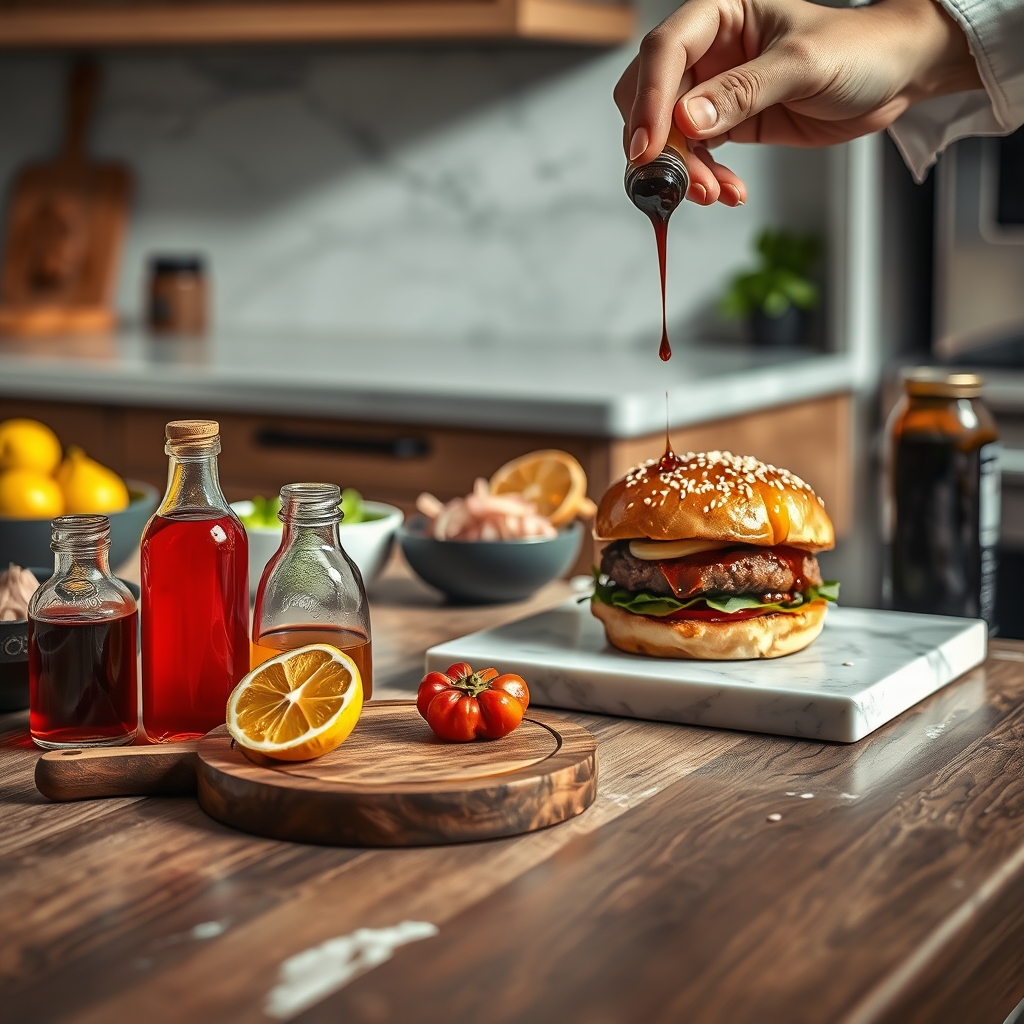
The culinary world is undergoing a quiet revolution, one where fermentation and botanical infusions are no longer niche experiments but essential players in the modern kitchen. These ingredients, once relegated to the fringes of traditional cuisine, are now at the forefront of innovation, offering depth, complexity, and a touch of the unexpected to everyday dishes. From the tangy brightness of yuzu vinegar to the fiery allure of gochujang glaze, the marriage of fermentation and botanicals is reshaping how we think about flavor.
The Fermentation Renaissance
Fermentation is one of humanity’s oldest culinary techniques, yet it has never felt more relevant. The process, which relies on the transformative power of microbes, turns simple ingredients into complex, umami-rich delights. Take yuzu vinegar, for example—a Japanese citrus vinegar that balances the tartness of vinegar with the floral, slightly bitter notes of yuzu. It’s not just a condiment; it’s a flavor enhancer that can elevate everything from salad dressings to seafood dishes. Chefs are using it to add a bright, acidic punch to ceviche, drizzle over roasted vegetables, or even incorporate into cocktails for a sophisticated twist.
Then there’s gochujang glaze, a Korean staple that has transcended its traditional roots to become a global sensation. This fermented chili paste, made from red chili peppers, glutinous rice, and soybeans, offers a perfect harmony of heat, sweetness, and umami. When reduced into a glaze, it becomes a versatile tool in the kitchen—brushed onto grilled meats, swirled into marinades, or even used as a dipping sauce for crispy snacks. Its depth of flavor is unmatched, making it a favorite among chefs looking to add a bold, savory kick to their dishes.
The Botanical Revolution
While fermentation is having its moment, botanical elixirs are also making waves in the culinary scene. These infusions, often derived from flowers, herbs, and roots, bring a delicate yet impactful flavor profile to both food and beverages. Hibiscus tea, for instance, is no longer just a refreshing drink; it’s being used to infuse syrups, poach fruits, and even flavor desserts. Its tart, cranberry-like taste adds a vibrant hue and a subtle tang to everything from sorbets to cocktails, making it a favorite among mixologists and pastry chefs alike.
Another standout is the rise of botanical elixirs, which blend herbs, spices, and flowers into concentrated syrups or tinctures. These elixirs are being used to craft non-alcoholic aperitifs that rival their alcoholic counterparts in complexity and depth. Imagine a spritz made with a rosemary-infused syrup, topped with sparkling water and a twist of citrus—refreshing, sophisticated, and entirely alcohol-free. These botanical creations are not just for the sober-curious; they’re for anyone looking to explore new dimensions of flavor without the buzz.
The Art of Balancing Flavors
What makes these ingredients so compelling is their ability to balance and enhance other flavors. Yuzu vinegar, with its bright acidity, can cut through the richness of fatty foods, while gochujang glaze adds a layer of umami that makes simple dishes feel gourmet. Similarly, botanical elixirs bring a nuanced sweetness or herbal note that can elevate a dish from ordinary to extraordinary. The key lies in their versatility—they’re not just one-trick ponies but adaptable tools that can be used in countless ways.
Consider the humble smash burger, a fast-food staple that has been reinvented with these modern ingredients. A patty topped with a gochujang-infused aioli, a drizzle of yuzu vinegar pickled onions, and a sprinkle of crispy shallots becomes a symphony of flavors—spicy, tangy, savory, and crunchy all at once. It’s a testament to how these ingredients can transform even the simplest dishes into something memorable.
The Future of Flavor
The beauty of this culinary movement is that it’s not just about following trends; it’s about rediscovering and reimagining age-old techniques. Fermentation and botanical infusions have been used for centuries, but today’s chefs and home cooks are finding new ways to incorporate them into modern cuisine. Whether it’s a black garlic pasta infused with the deep, molasses-like sweetness of fermented garlic or a mocktail blend that combines hibiscus tea with a touch of spicy honey, these ingredients are pushing the boundaries of what we consider possible in the kitchen.
As we continue to explore the potential of these flavors, one thing is clear: the future of food is not just about innovation for innovation’s sake. It’s about reconnecting with the past while embracing the creativity of the present. The next time you reach for a bottle of yuzu vinegar or a jar of gochujang, remember that you’re not just adding flavor to your dish—you’re participating in a culinary tradition that spans generations, and you’re helping to shape its future.