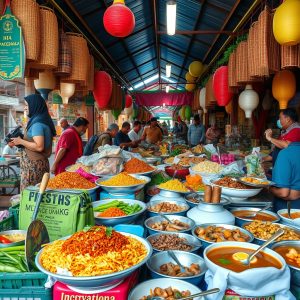
The Fiery and Fragrant Wonders: Indonesia’s Most Underrated Regional Dishes You Need to Try

Indonesia’s culinary landscape is as vast and diverse as its archipelago, with each region offering dishes that are steeped in history, culture, and an explosion of flavors. While rendang and nasi goreng often steal the spotlight, there are countless other regional dishes that deserve just as much attention. These underrated gems are not just meals; they are stories of tradition, innovation, and the unyielding spirit of the communities that created them. Let’s embark on a journey to uncover some of Indonesia’s most captivating yet overlooked regional dishes.
The Bold and Spicy: Nasi Padang Minangkabau
Originating from West Sumatra, Nasi Padang is a feast for the senses. This dish is not just about the rice—it’s about the array of side dishes that accompany it, each bursting with flavor. From tender beef rendang to spicy sambal balado, every component is meticulously prepared to create a symphony of tastes. The Minangkabau people take pride in their culinary heritage, and Nasi Padang is a testament to their mastery of spice and technique. The dish is often served with a side of gulai (curry) and perkedel (fried potato patties), making it a hearty and satisfying meal that lingers on the palate.
The Unique Charm of Gudeg Yu Djum
Yogyakarta is home to Gudeg, a sweet and savory jackfruit stew that has become a symbol of the city’s culinary identity. Among the many variations, Gudeg Yu Djum stands out for its rich, caramelized flavor and the use of young jackfruit slow-cooked in coconut milk and palm sugar. What makes this dish truly special is the addition of krecek, a spicy cow skin stew that adds a contrasting texture and heat. The dish is traditionally served with steamed rice, hard-boiled eggs, and a side of sambal goreng krecek, creating a harmonious blend of sweet, spicy, and savory flavors.
The Dark and Mysterious: Rawon Setan Surabaya
Rawon Setan, or “Devil’s Rawon,” is a dish that lives up to its name. This dark, aromatic beef soup from Surabaya is made with keluak, a black nut that gives the broth its distinctive color and earthy flavor. The dish is often served with a side of tauge (bean sprouts), sambal, and crispy emping (melinjo crackers), adding layers of texture and heat. Rawon Setan is not for the faint-hearted—it’s bold, intense, and deeply satisfying, making it a must-try for adventurous food lovers.
The Grilled Delight: Sate Klatak Bantul
While satay is a staple across Indonesia, Sate Klatak from Bantul, Yogyakarta, offers a unique twist on this classic dish. Unlike traditional satay, which is made with marinated meat, Sate Klatak is prepared using unmarinated goat meat, grilled over an open flame and seasoned simply with salt. The result is a smoky, tender skewer that showcases the natural flavor of the meat. Served with a side of gule (spicy coconut milk soup) and ketan (sticky rice), this dish is a celebration of simplicity and authenticity.
The Aromatic and Exotic: Ayam Tangkap Aceh
Aceh’s Ayam Tangkap is a dish that captures the essence of the region’s rich spice heritage. The name “Tangkap” refers to the way the chicken is “caught” in a blanket of aromatic leaves, such as lemongrass, pandan, and curry leaves, which infuse the meat with their fragrant oils. The chicken is marinated in a blend of spices, including turmeric, coriander, and galangal, before being fried to perfection. The result is a dish that is crispy on the outside, juicy on the inside, and bursting with the flavors of Aceh’s lush landscapes.
The Coastal Treasure: Bebek Sinjay Madura
Madura’s Bebek Sinjay is a dish that showcases the island’s love for duck. The duck is marinated in a blend of spices, including turmeric, garlic, and shallots, before being slow-cooked until tender. What sets this dish apart is the use of petis (shrimp paste) and kecap manis (sweet soy sauce), which give the dish its rich, umami flavor. Served with steamed rice and a side of sambal, Bebek Sinjay is a hearty and comforting meal that reflects the coastal flavors of Madura.
The Sweet and Savory: Nasi Liwet Solo
Nasi Liwet from Solo is a dish that embodies the elegance and sophistication of Javanese cuisine. This fragrant rice dish is cooked in coconut milk and chicken broth, infused with spices like lemongrass, bay leaves, and galangal. The rice is often served with a variety of side dishes, including opor ayam (coconut milk-braised chicken), telur pindang (spiced eggs), and tempe orek (crispy fried tempeh). The combination of sweet, savory, and aromatic flavors makes Nasi Liwet a dish that is both comforting and luxurious.
The Fiery Sensation: Ayam Taliwang Lombok
Lombok’s Ayam Taliwang is a dish that packs a punch. This grilled chicken is marinated in a fiery blend of chili, garlic, and shrimp paste, giving it a bold and spicy flavor that is not for the faint-hearted. The chicken is grilled over an open flame, which enhances its smoky aroma and crispy texture. Served with a side of plecing kangkung (spicy water spinach) and sambal, Ayam Taliwang is a dish that ignites the senses and leaves a lasting impression.
Indonesia’s regional dishes are more than just food—they are a reflection of the country’s rich cultural tapestry and the creativity of its people. Each dish tells a story, whether it’s of the spices that traveled across oceans, the traditions passed down through generations, or the ingenuity of local communities. To truly understand Indonesia, one must explore its culinary landscape, where every bite is a journey through history, culture, and flavor. These underrated dishes may not always be in the spotlight, but they are the heart and soul of Indonesia’s culinary heritage, waiting to be discovered and savored.