The Unlikely Stars of Modern Cuisine: How Gochujang Glaze, Smash Burgers, and Hibiscus Tea Are Crafting a New Flavor Paradigm
The culinary world is in the midst of a quiet revolution, one where bold flavors and unexpected ingredients take center stage. No longer confined to traditional recipes, today’s food scene thrives on innovation, blending the familiar with the avant-garde to create dishes that surprise, delight, and challenge our palates. Among the most exciting developments are ingredients and techniques that redefine what it means to eat well—where umami-rich pastes, vibrant teas, and perfectly executed comfort foods converge to shape a new era of gastronomy.
The Umami Bomb: Gochujang Glaze and Its Versatile Magic
Gochujang, the Korean fermented chili paste, has long been a staple in its homeland, but its recent rise in global cuisine is nothing short of meteoric. Its deep, complex flavor—spicy, sweet, and funky all at once—makes it an ideal candidate for glazes, marinades, and even cocktails. Chefs are slathering it onto everything from roasted vegetables to grilled meats, transforming simple dishes into umami-packed masterpieces. The secret lies in its fermentation process, which develops a richness that sugar or salt alone could never achieve. When reduced into a glaze, gochujang caramelizes beautifully, creating a sticky, glossy finish that clings to food like a flavor magnet.
Beyond the Plate: Gochujang in Unexpected Places
What makes gochujang truly special is its adaptability. It’s not just for savory dishes—pastry chefs are incorporating it into desserts, balancing its heat with sweet elements like honey or white chocolate. Imagine a gochujang-infused chocolate tart, where the spice cuts through the richness, leaving a lingering warmth on the tongue. Bartenders, too, are experimenting with gochujang in cocktails, adding a smoky depth to bloody marys or a spicy kick to margaritas. This versatility is a testament to how modern cuisine embraces ingredients that transcend categories, blurring the lines between sweet, savory, and everything in between.
The Smash Burger Phenomenon: Why Thin and Crispy Wins
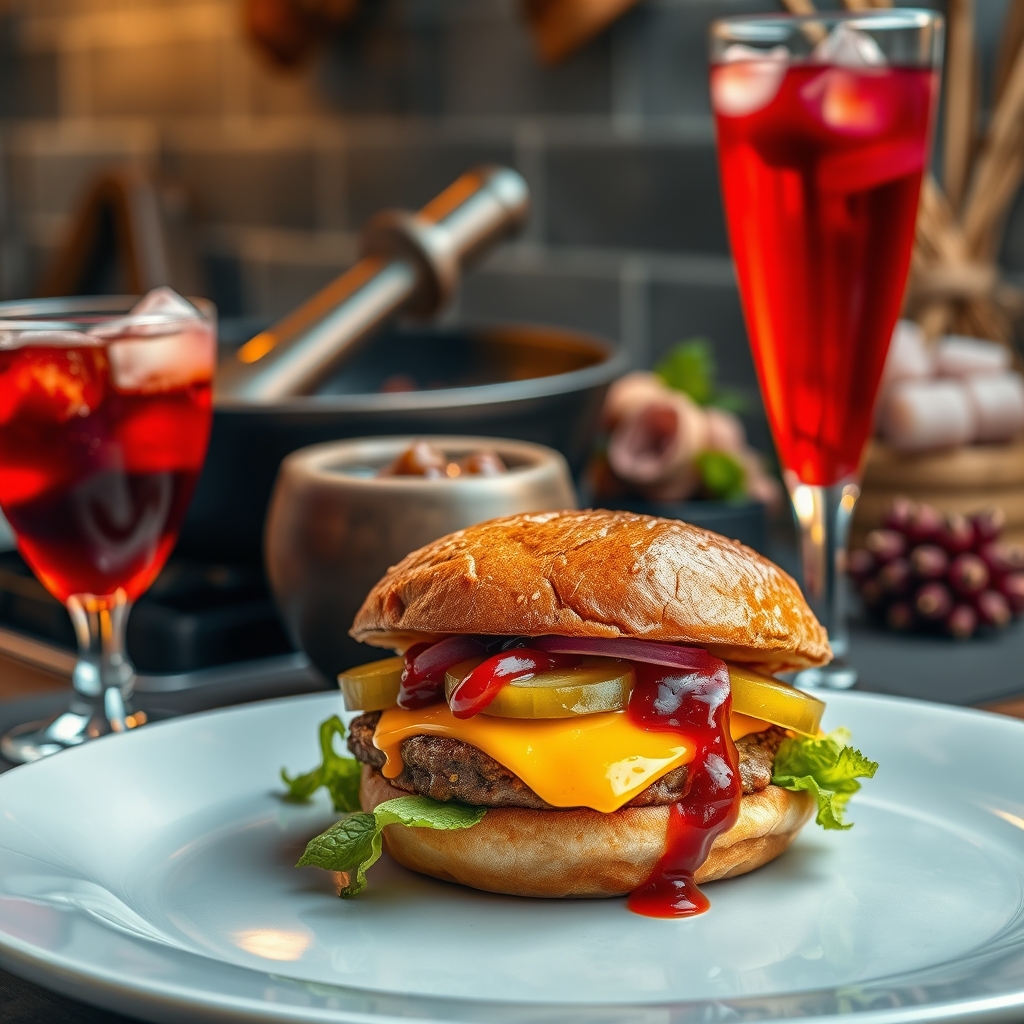
In an era where food trends often prioritize novelty over substance, the smash burger stands as a refreshing return to simplicity—with a twist. Unlike traditional burgers, where patties are thick and juicy, the smash burger technique involves pressing thin layers of beef onto a screaming-hot griddle, creating a crispy, caramelized crust that locks in flavor. The result is a burger that’s all about texture: the contrast between the crunchy edges and the tender, melty interior is nothing short of addictive. It’s fast food elevated to an art form, proving that sometimes, less really is more.
The Science Behind the Smash
The magic of the smash burger lies in the Maillard reaction, the chemical process that occurs when proteins and sugars are exposed to high heat, creating that irresistible browned crust. By smashing the beef thin, you maximize surface area, ensuring every bite is packed with that coveted caramelized flavor. Toppings play a crucial role, too—classic American cheese melts into a gooey blanket, while pickles and onions add a tangy crunch. But the real star is the technique itself, a reminder that great cooking isn’t just about expensive ingredients; it’s about understanding how to coax the best out of what you have.
Hibiscus Tea: The Floral Powerhouse Taking Over Menus
While coffee and matcha dominate the beverage scene, hibiscus tea is quietly carving out its own niche, thanks to its vibrant color, tart flavor, and impressive health benefits. Made from the dried petals of the hibiscus flower, this ruby-red infusion is naturally caffeine-free and packed with antioxidants. Its bright, cranberry-like taste makes it a versatile base for both hot and cold drinks, from refreshing iced teas to complex mocktails. But its appeal goes beyond the glass—chefs are using hibiscus in everything from syrups to desserts, adding a floral, tangy note that brightens up rich dishes.
From Drink to Dish: Hibiscus in the Kitchen
The culinary potential of hibiscus is vast. Its tartness pairs beautifully with sweet ingredients, making it a natural fit for jams, sorbets, and even cocktails. In savory applications, hibiscus can be used to create vibrant sauces or marinades, adding a unique depth to dishes like grilled fish or roasted pork. Its striking color also makes it a favorite for plating, where a drizzle of hibiscus reduction can turn a simple dish into a work of art. As diners increasingly seek out flavors that are both bold and health-conscious, hibiscus is poised to become a staple in modern kitchens.
The Future of Flavor: Where Tradition Meets Innovation
What these ingredients and techniques share is a commitment to pushing boundaries while honoring the roots of their origins. Gochujang, with its centuries-old fermentation process, brings depth to contemporary dishes. The smash burger, though a modern invention, harks back to the fundamentals of great cooking. Hibiscus tea, a staple in many cultures, is now being reimagined in ways that feel fresh and exciting. Together, they represent a broader shift in how we think about food—not as something static, but as a living, evolving art form. The best dishes are those that surprise us, that make us pause and savor the moment. And in a world where culinary trends come and go, these unlikely stars are proving that the most enduring flavors are the ones that dare to be different.
The kitchen is no longer just a place for sustenance; it’s a laboratory of creativity, where tradition and innovation collide to create something truly extraordinary. Whether it’s the fiery allure of gochujang, the crisp perfection of a smash burger, or the floral tang of hibiscus, these ingredients remind us that the future of food is limited only by our imagination. And as we continue to explore the endless possibilities of flavor, one thing is clear: the best is yet to come.