The Unsung Heroes of Indonesian Cuisine: 8 Regional Dishes That Deserve the Spotlight
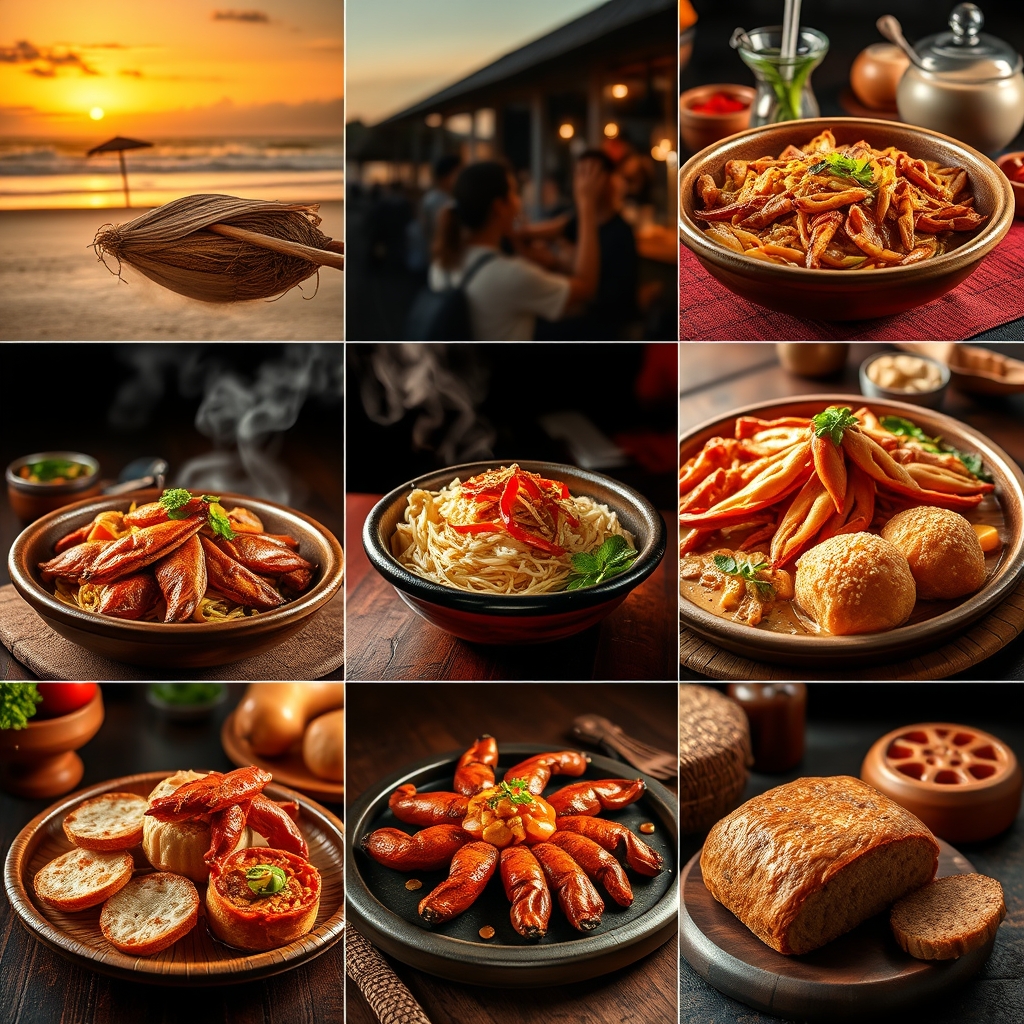
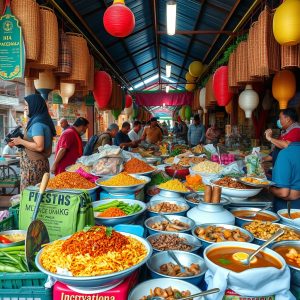
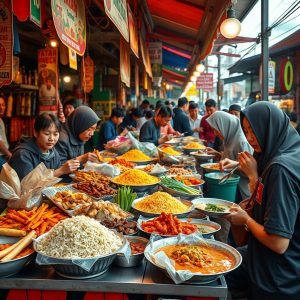
Indonesia’s culinary landscape is a vibrant mosaic of flavors, where each region boasts dishes so unique they tell stories of history, culture, and tradition. While staples like rendang and nasi goreng often steal the limelight, there’s a treasure trove of lesser-known regional dishes waiting to be discovered. These unsung heroes don’t just tantalize the taste buds—they carry the soul of their communities, passed down through generations with pride. Here are eight regional dishes that deserve a place at the table, not just for their flavors, but for the stories they whisper with every bite.
The Fiery Allure of Ayam Taliwang Lombok
Hailing from the sun-drenched island of Lombok, Ayam Taliwang is a dish that commands attention. Unlike the mild-mannered grilled chicken found elsewhere, this version is marinated in a paste of shallots, garlic, chilies, and shrimp paste, then grilled over coconut husks for a smoky depth. The real magic happens when it’s slathered with plecing sauce—a fiery concoction of tomatoes, chilies, and lime that packs a punch. The dish is named after Taliwang, a village in Lombok where it originated, and it’s a testament to the island’s love affair with bold, unapologetic flavors. Served with a side of plecing kangkung (water spinach in chili sauce), it’s a meal that lingers long after the last bite.
Why It Stands Out
The secret to Ayam Taliwang’s addictive quality lies in its balance—smoky, spicy, tangy, and slightly sweet all at once. It’s a dish that doesn’t just feed the body but awakens the senses, a perfect reflection of Lombok’s rugged beauty and warm hospitality.
The Mystique of Rawon Setan Surabaya
In the bustling streets of Surabaya, Rawon Setan is more than just a dish—it’s an experience. This black-hued beef soup, enriched with keluak nuts, is said to be so rich and indulgent that it’s named after the devil (setan) himself. The deep, earthy flavor of the keluak gives the broth its signature color and a nutty, almost chocolatey depth. Served with rice, bean sprouts, and a side of sambal, Rawon Setan is a dish that demands to be savored slowly, especially in the wee hours of the night when the best stalls come alive.
The Legend Behind the Name
Local lore suggests that Rawon Setan was traditionally eaten late at night, a time when only the most daring (or hungry) souls would venture out. The name stuck, and today, it’s a badge of honor for those who dare to indulge in its decadent flavors. It’s a dish that thrives in the shadows, much like the stories of its origins.
The Delicate Art of Mie Aceh Kepiting
On the northern tip of Sumatra, Mie Aceh Kepiting is a dish that marries the boldness of Acehnese spices with the delicate sweetness of crab. Thick, chewy noodles are stir-fried with a fragrant paste of shallots, garlic, turmeric, and lemongrass, then tossed with succulent crab meat and a splash of coconut milk. The result is a dish that’s rich yet balanced, with a depth of flavor that’s hard to resist. Garnished with fried shallots and a wedge of lime, it’s a symphony of textures and tastes that showcases Aceh’s culinary prowess.
A Dish Born from Trade and Tradition
Aceh’s strategic location as a trading hub has influenced its cuisine for centuries, and Mie Aceh Kepiting is no exception. The use of crab reflects the region’s coastal abundance, while the spices speak to its historical ties with India and the Middle East. It’s a dish that tells the story of a region where cultures collide and flavors fuse.
The Comfort of Nasi Liwet Solo
In the heart of Java, Nasi Liwet Solo is the ultimate comfort food. This fragrant rice dish is cooked in coconut milk and chicken broth, infused with lemongrass, galangal, and bay leaves, then topped with tender chicken, tempeh, and a sprinkle of fried shallots. The result is a dish that’s creamy, aromatic, and deeply satisfying. Often served at celebrations and family gatherings, Nasi Liwet is a dish that brings people together, a reminder of the warmth and generosity of Javanese culture.
The Ritual of Preparation
What sets Nasi Liwet apart is the care that goes into its preparation. The rice is cooked slowly, allowing the flavors to meld and the grains to absorb the rich broth. It’s a dish that’s meant to be shared, served on a large platter with an array of side dishes. In Solo, it’s not just a meal—it’s a tradition, a way of honoring guests and celebrating life’s moments.
The Bold Simplicity of Sate Klatak Bantul
While satay is a staple across Indonesia, Sate Klatak from Bantul, Yogyakarta, stands out for its simplicity and bold flavor. Unlike other satays, which are often marinated in sweet soy sauce or peanut sauce, Sate Klatak is made with chunks of goat meat skewered on thick iron rods and grilled over an open flame. The meat is seasoned only with salt, allowing its natural flavors to shine. Served with a side of gule (a spicy coconut milk curry) and rice, it’s a dish that’s rustic, hearty, and deeply satisfying.
The Iron Rod Secret
The use of iron rods isn’t just for show—it’s a technique that ensures the meat cooks evenly and retains its juiciness. The rods are heated until red-hot, then the meat is skewered and grilled to perfection. It’s a method that’s as much about tradition as it is about flavor, a nod to the resourcefulness of Bantul’s culinary heritage.
The Sweet Indulgence of Bika Ambon Medan
No exploration of Indonesia’s regional dishes would be complete without a sweet note, and Bika Ambon from Medan is the perfect finale. This spongy, honeycomb-like cake is made from tapioca flour, eggs, and coconut milk, flavored with pandan and baked until golden. The result is a dessert that’s light, airy, and subtly sweet, with a texture that melts in the mouth. Often served as a snack or dessert, Bika Ambon is a beloved treat that’s as much a part of Medan’s identity as its savory dishes.
A Dessert with a Story
Legend has it that Bika Ambon was inspired by a similar dessert from Ambon, but it was in Medan that it found its true home. The city’s diverse culinary influences—Chinese, Indian, and Malay—helped shape its unique flavor profile. Today, it’s a symbol of Medan’s rich cultural tapestry, a sweet reminder of the city’s vibrant history.
These dishes are more than just food—they’re a celebration of Indonesia’s diversity, a testament to the creativity and resilience of its people. Each bite is a journey, a chance to explore the stories and traditions that make this archipelago so extraordinary. Whether it’s the fiery kick of Ayam Taliwang or the comforting embrace of Nasi Liwet, these regional delights remind us that the best meals are the ones that feed not just the body, but the soul. So the next time you find yourself in Indonesia, skip the familiar and seek out these unsung heroes. Your taste buds—and your sense of adventure—will thank you.