Rendang Daging Sapi: The Ultimate Guide to Indonesia’s Iconic Curry
Few dishes capture the soul of Indonesian cuisine as profoundly as Rendang Daging Sapi. This rich, aromatic beef curry is more than just a meal—it’s a celebration of tradition, patience, and the art of slow cooking. Originating from the Minangkabau people of West Sumatra, rendang has transcended its regional roots to become a national treasure, even earning the title of the world’s best food in a 2017 CNN poll. Its deep, complex flavors and tender, caramelized beef make it a dish worth mastering, whether you’re a home cook or a culinary enthusiast.
The Cultural Heart of Rendang
Rendang is deeply intertwined with Minangkabau culture, where it holds a place of honor in ceremonies, festivals, and family gatherings. Traditionally, it was prepared for special occasions like weddings, Eid al-Fitr, and harvest celebrations, symbolizing prosperity and togetherness. The dish’s labor-intensive preparation reflects the Minangkabau philosophy of gotong royong (community cooperation), where cooking becomes a collective effort, often involving multiple generations in the kitchen.
The slow-cooking process is not just about flavor—it’s a metaphor for life. The beef simmers for hours in a fragrant blend of coconut milk and spices, transforming from raw ingredients into something deeply flavorful and tender. This patience and attention to detail are what make rendang more than just food; it’s a cultural artifact, a story told through spices and time.
The Art of Slow Cooking
At the heart of rendang’s magic is its slow-cooking method. Unlike quick stir-fries or one-pot meals, rendang demands time—typically four to eight hours—allowing the beef to absorb the spices and coconut milk to reduce into a thick, caramelized sauce. The process begins with bumbu, a paste of shallots, garlic, ginger, galangal, turmeric, lemongrass, and chili, which forms the flavor base. The beef is then simmered in this spice blend with coconut milk, tamarind, and kaffir lime leaves until the liquid evaporates, leaving the meat coated in a glossy, dark sauce.
The key to perfect rendang lies in the balance of heat and patience. Too high a flame, and the coconut milk will curdle; too low, and the beef won’t tenderize properly. The ideal rendang has a deep, almost blackened hue, with the beef so tender it melts in your mouth. This isn’t a dish you can rush—it’s a testament to the beauty of taking things slow.
A Foolproof Recipe to Try at Home
While rendang may seem intimidating, breaking it down into steps makes it manageable. Here’s a simplified yet authentic recipe to bring this Indonesian masterpiece to your kitchen:
Ingredients:
- 2 lbs (1 kg) beef (chuck or brisket, cut into large chunks)
- 4 cups (1 liter) thick coconut milk
- 1 cup (240 ml) thin coconut milk
- 6-8 shallots, peeled
- 5 cloves garlic
- 3-inch (7 cm) piece of ginger, peeled
- 3-inch (7 cm) piece of galangal, peeled
- 3 stalks lemongrass, bruised and tied into knots
- 4-6 red chilies (adjust to taste)
- 2 tsp turmeric powder
- 4 kaffir lime leaves
- 2 tbsp tamarind paste
- 1 tbsp palm sugar (or brown sugar)
- Salt to taste
Instructions:
- Prepare the Bumbu: Blend shallots, garlic, ginger, galangal, turmeric, and chilies into a smooth paste. If the mixture is too thick, add a little thin coconut milk to help it blend.
- Sear the Beef: In a large, heavy-bottomed pot, heat a little oil and sear the beef until browned on all sides. This step adds depth to the flavor.
- Cook the Spices: Add the bumbu paste to the pot and cook over medium heat for 5-7 minutes, stirring constantly, until fragrant. Be careful not to let it burn.
- Simmer with Coconut Milk: Pour in the thick coconut milk, thin coconut milk, lemongrass, kaffir lime leaves, tamarind, and sugar. Stir well and bring to a gentle simmer.
- The Long Simmer: Reduce the heat to low and let the rendang simmer uncovered for 3-4 hours, stirring occasionally to prevent sticking. As the liquid reduces, the sauce will thicken and darken. The beef should be fork-tender and coated in a glossy, caramelized sauce.
- Final Touch: Once the sauce has thickened to your liking, season with salt. Remove the lemongrass and kaffir lime leaves before serving.
Regional Twists on a Classic
While rendang is synonymous with West Sumatra, variations exist across Indonesia, each reflecting local tastes and ingredients. In Padang, the dish is often drier, with a more intense spice profile, while in Java, it might be slightly sweeter or include additional aromatics like cinnamon or cloves. Some versions even incorporate potatoes or jackfruit for a vegetarian twist. These regional adaptations highlight rendang’s versatility, proving that while the core technique remains the same, there’s always room for creativity.
Perfect Pairings for Rendang
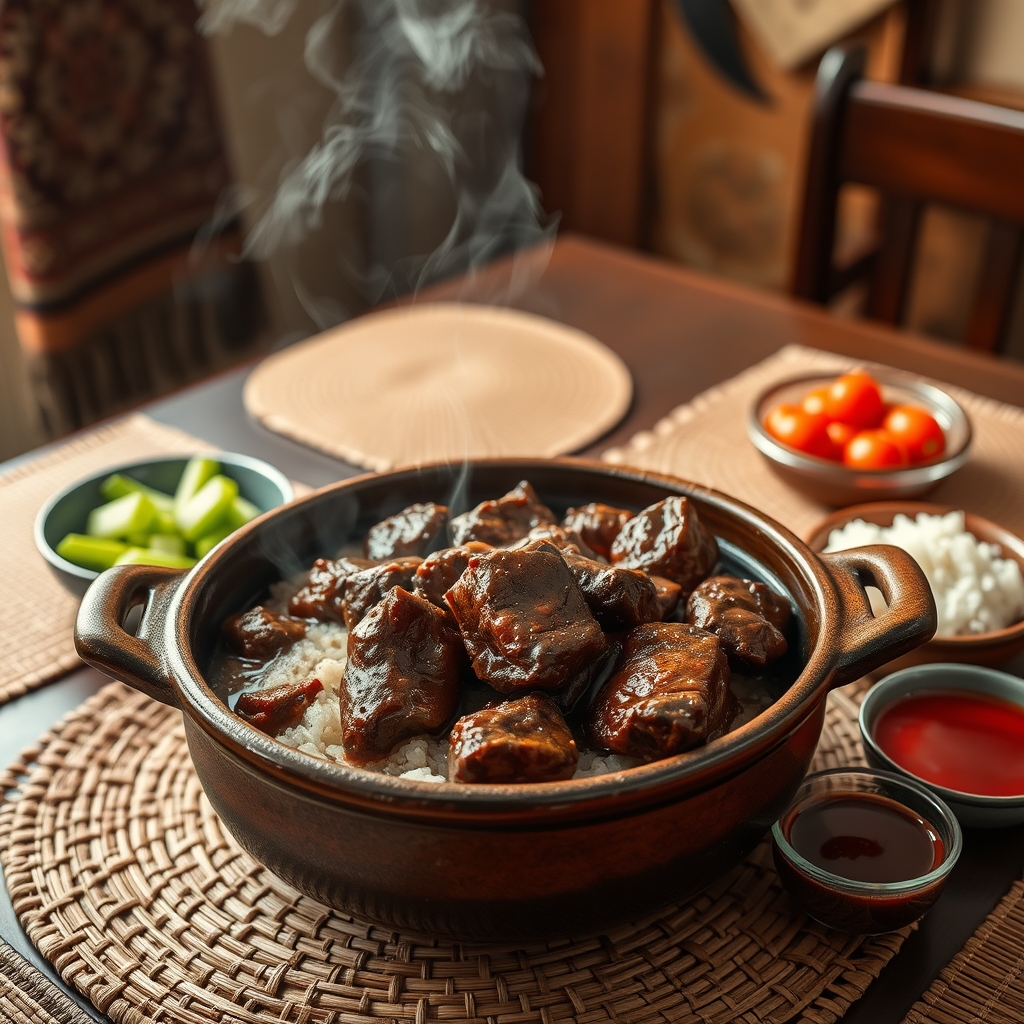
Rendang is rarely eaten alone—it’s a dish meant to be shared and paired with complementary sides. The most classic accompaniment is steamed jasmine or basmati rice, which soaks up the rich sauce beautifully. For a more substantial meal, try it with ketupat (compressed rice cakes) or lontong (rice wrapped in banana leaves), both of which add a delightful texture contrast. Fresh vegetables like cucumber slices or a simple salad of tomatoes and red onions provide a refreshing balance to the dish’s richness. To elevate the experience, serve it with sambal (chili paste) for an extra kick or emping (crispy melinjo crackers) for crunch.
Beyond the plate, rendang tells a story of Indonesia’s diverse culinary landscape. It’s a dish that bridges generations, bringing families together in the kitchen and around the table. Whether you’re savoring it in a bustling Padang restaurant or making it from scratch in your own home, rendang is more than just a curry—it’s a taste of history, culture, and the enduring power of slow-cooked perfection. Every bite is a reminder that the best things in life are worth the wait, and that food, at its finest, is an expression of love, tradition, and community.