Indonesia’s Culinary Time Warp: The Regional Dishes That Carry Centuries in Every Bite
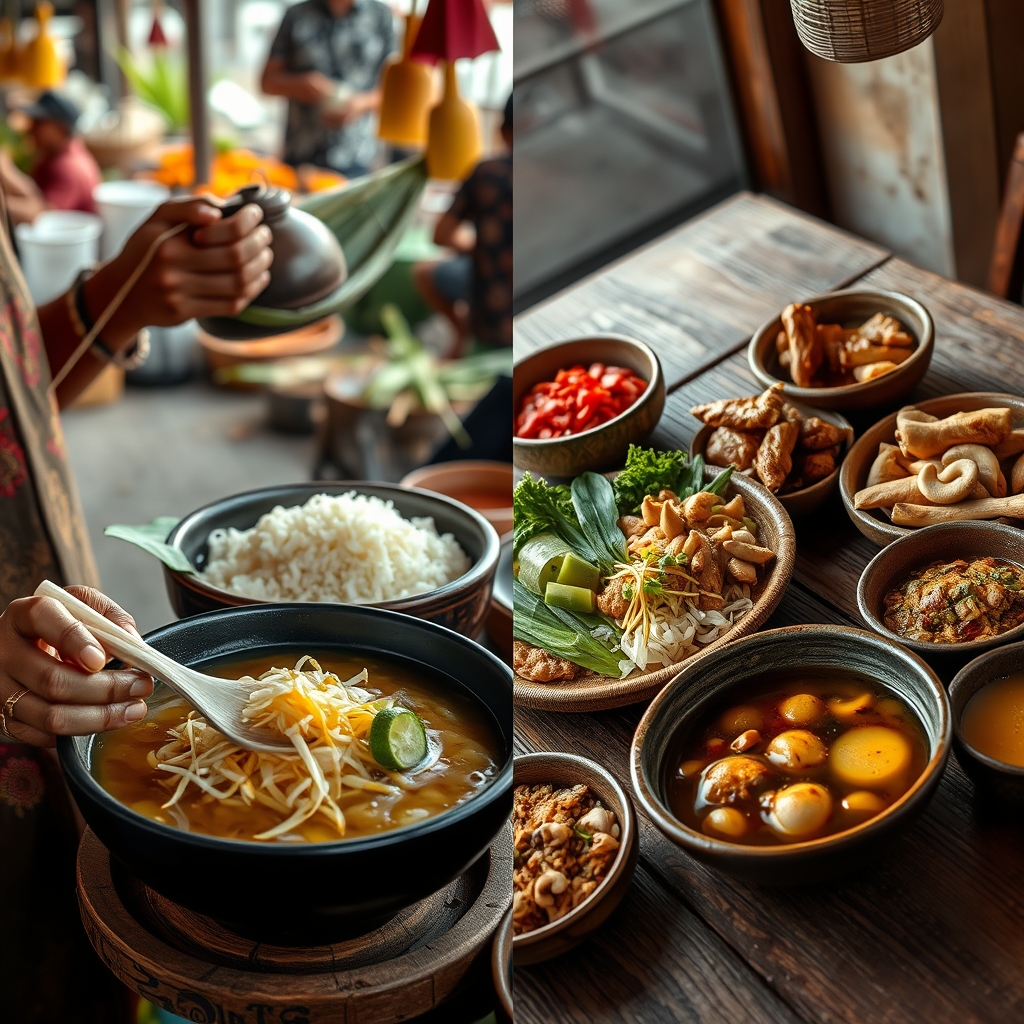
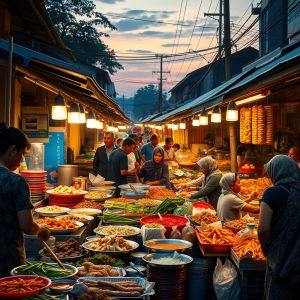
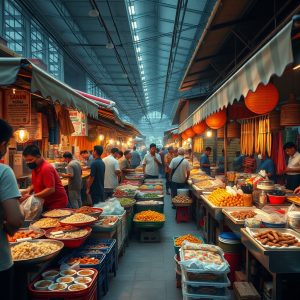
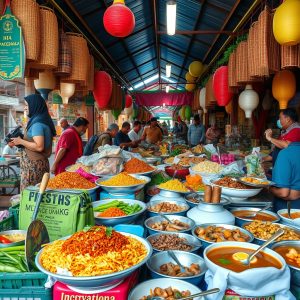
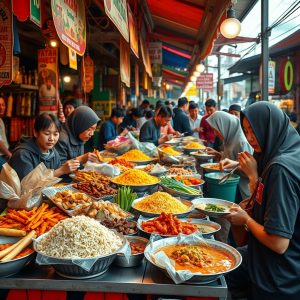
Imagine walking through a bustling morning market in Solo, where the air is thick with the scent of coconut milk simmering in clay pots, or standing in a narrow alley in Surabaya as the sizzle of tofu and the tang of peanut sauce fill the air. These are not just meals—they are time capsules, each dish a living relic of Indonesia’s layered history, trade routes, and cultural exchanges. The archipelago’s cuisine is a testament to how food can preserve the past while evolving with the present, and nowhere is this more evident than in the regional dishes that have stood the test of time.
The Spice Chronicles of Nasi Padang Minangkabau
In the highlands of West Sumatra, Nasi Padang is more than just a meal—it’s a theatrical experience. The Minangkabau people, known for their matrilineal culture, have perfected the art of slow-cooked, spice-infused dishes that reflect their rich heritage. The rice, steamed to fluffy perfection, is served alongside an array of dishes like rendang (a slow-braised beef in coconut and spices), gulai (a curry-like stew), and dendeng balado (spicy dried beef). Each dish is a harmony of flavors, where the heat of chilies meets the warmth of turmeric, lemongrass, and galangal. The Minangkabau believe that food is a gift from the ancestors, and every bite of Nasi Padang is a nod to their legacy.
The Sweet and Savory Legacy of Gudeg Yu Djum
Yogyakarta’s Gudeg is a dish that defies expectations. Young jackfruit, slow-cooked for hours in palm sugar and coconut milk, transforms into a tender, caramelized delight that balances sweetness with a hint of bitterness. The version served at Gudeg Yu Djum, a legendary stall that has been operating since 1950, is a masterpiece of texture and flavor. The jackfruit is paired with hard-boiled eggs, chicken, and a rich, spiced coconut gravy, all served over steamed rice. What makes Gudeg Yu Djum special is its consistency—generations of the same family have perfected the recipe, ensuring that every bowl tastes exactly as it did decades ago. It’s a dish that connects the past to the present, one sweet bite at a time.
The Dark Allure of Rawon Setan Surabaya
In Surabaya, Rawon Setan is not for the faint of heart. This black beef soup, named after the devil himself (setan), is as bold in flavor as it is in appearance. The dark hue comes from keluak, a nut native to Indonesia that imparts an earthy, slightly bitter taste. The broth is rich and aromatic, infused with garlic, shallots, and a blend of spices that have been toasted to perfection. Served with tender beef, bean sprouts, and a side of sambal, Rawon Setan is a dish that demands attention. It’s said that the best Rawon is served late at night, when the broth has had hours to develop its deep, complex flavors. For those who dare, it’s an experience that lingers long after the last spoonful.
The Fiery Simplicity of Sate Klatak Bantul
While satay is a staple across Indonesia, Sate Klatak from Bantul, Yogyakarta, stands apart for its rustic charm. Unlike the marinated skewers found elsewhere, Sate Klatak is made from chunks of goat or lamb, seasoned simply with salt and pepper, and grilled over an open flame. The name klatak refers to the sound the skewers make as they sizzle on the grill. The meat is served with a side of gule, a light but flavorful curry made with coconut milk and spices. The simplicity of Sate Klatak is its strength—it’s a dish that lets the quality of the meat shine, a reminder that sometimes, less is more.
The Coastal Flavors of Ayam Tangkap Aceh
On the northern tip of Sumatra, Ayam Tangkap is a dish that captures the essence of Aceh’s coastal culture. The name translates to “caught chicken,” a nod to the traditional method of preparing the dish with freshly caught poultry. The chicken is marinated in a blend of turmeric, coriander, and lemongrass, then fried until crispy. What sets Ayam Tangkap apart is the generous topping of fried shallots, cashews, and pandan leaves, which add a fragrant crunch to every bite. The dish is often served with nasi gurih, a fragrant coconut rice that soaks up the flavors of the chicken. It’s a celebration of Aceh’s bounty, where the land and sea come together on a single plate.
The Unlikely Star: Bebek Sinjay Madura
Madura, an island off the coast of East Java, is home to Bebek Sinjay, a duck dish that has gained a cult following. The duck is marinated in a mixture of turmeric, garlic, and coriander, then grilled over charcoal until the skin is crispy and the meat is tender. The secret to Bebek Sinjay’s success lies in its simplicity—no fancy sauces or elaborate garnishes, just perfectly cooked duck with a side of sambal and steamed rice. It’s a dish that speaks to the Madurese people’s love for bold, unadulterated flavors, and it’s become a must-try for anyone visiting the region.
The Comfort of Soto Banjar Kalimantan
In the heart of South Kalimantan, Soto Banjar is the ultimate comfort food. This aromatic soup is made with tender chicken, rice noodles, and a broth infused with lemongrass, galangal, and turmeric. What makes Soto Banjar unique is the addition of kecombrang, a wild ginger flower that gives the broth a subtle floral note. The soup is garnished with fried shallots, hard-boiled eggs, and a squeeze of lime, creating a balance of flavors that is both soothing and invigorating. For the Banjar people, Soto Banjar is more than just a meal—it’s a symbol of home, a dish that evokes memories of family gatherings and festive celebrations.
Indonesia’s regional dishes are more than just food—they are stories, traditions, and legacies passed down through generations. Each bite is a journey through time, a taste of the past that continues to shape the present. Whether it’s the fiery allure of Rawon Setan or the sweet nostalgia of Gudeg Yu Djum, these dishes remind us that food is not just sustenance, but a living connection to the people and places that came before us. The next time you sit down to a meal in Indonesia, take a moment to savor not just the flavors, but the history that made them possible.