The Fiery and Fragrant Underbelly: Indonesia’s Most Underrated Street Food Gems
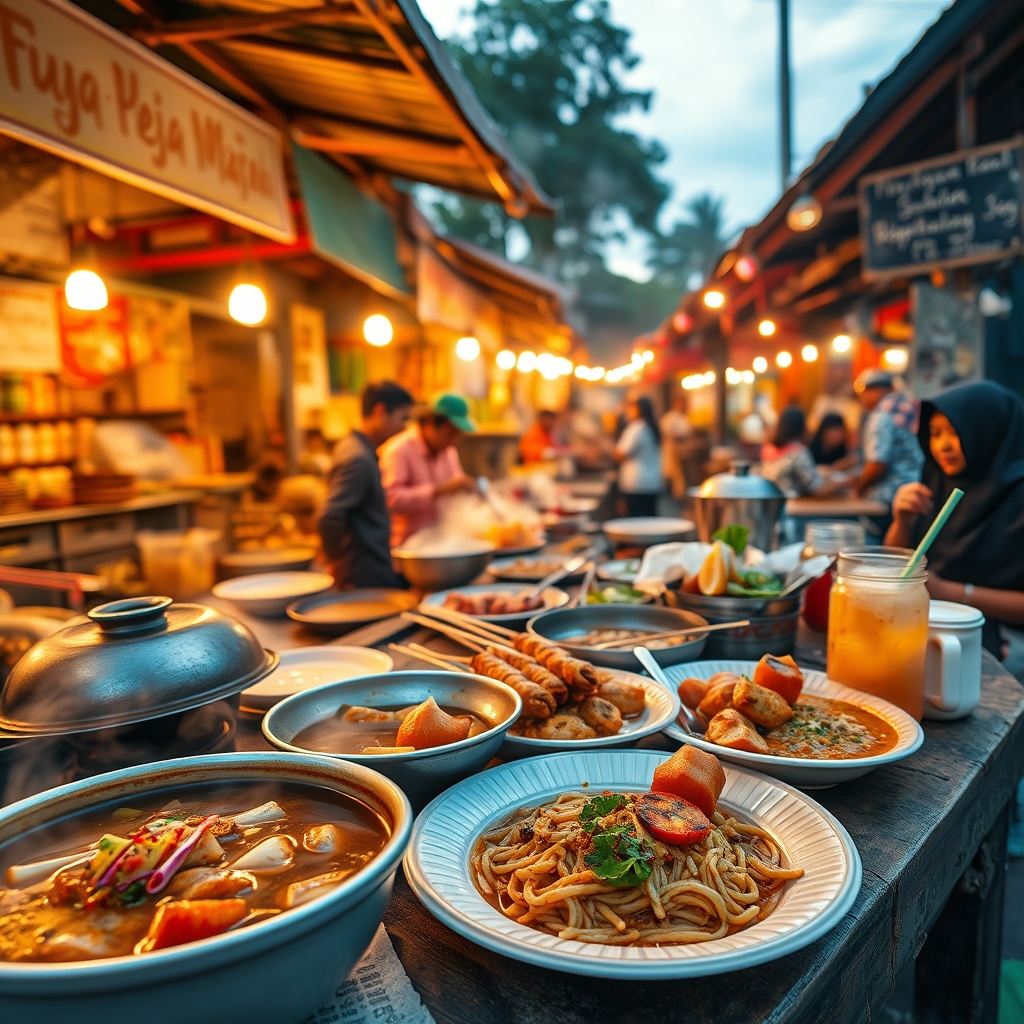
Indonesia’s culinary landscape is a vibrant tapestry woven with threads of spice, heritage, and unspoken stories. While dishes like rendang and nasi goreng often steal the spotlight, the true magic lies in the lesser-known street food gems that simmer in the bustling markets and humble warungs across the archipelago. These dishes are not just meals; they are living legacies, passed down through generations, each bite a whisper of the land and the people who craft them.
The Bold and the Brave: Dishes That Define a Palate
Take Rawon Setan Surabaya, for instance—a dish that lives up to its devilish name. This black-hued beef soup, its color derived from the rare keluak nut, is a symphony of earthy, nutty, and slightly bitter notes, balanced by the warmth of lemongrass and galangal. Served with a side of fiery sambal and crispy shallots, it’s a dish that demands attention, a bold declaration of East Java’s culinary prowess. The name “Setan” (devil) isn’t just for show; it refers to the warungs that serve it late into the night, catering to the city’s night owls and those seeking comfort in its rich, unapologetic flavors.
Then there’s Sate Klatak Bantul, a skewer unlike any other. Originating from the Yogyakarta region, this satay is made from young goat meat, grilled over an open flame until the edges char and the juices caramelize. What sets it apart is the absence of the usual sweet soy glaze; instead, it’s served with a simple yet potent blend of salt, garlic, and chili. The result is a satay that is smoky, savory, and slightly gamey, a testament to the simplicity and ingenuity of Javanese street food.
The Coastal Charms: Where Sea Meets Spice
Venture to the coasts, and the flavors shift, embracing the bounty of the sea. Mie Aceh Kepiting is a dish that captures the essence of Aceh’s maritime culture. Thick, chewy noodles swim in a fragrant curry broth, infused with turmeric, lemongrass, and a generous dose of crab meat. The dish is a celebration of Aceh’s spice trade history, where every spoonful is a reminder of the region’s role as a crossroads of cultures. The addition of emping (melinjo crackers) adds a delightful crunch, a textural contrast that elevates the dish to something truly special.
In Sulawesi, Coto Makassar Asli reigns supreme. This hearty beef soup is a labor of love, simmered for hours with a blend of spices that includes coriander, cumin, and candlenuts. The broth is rich and complex, thickened with ground peanuts and served with ketupat (rice cakes) and a side of lime. It’s a dish that warms the soul, a staple in Makassar’s street food scene, where locals gather to share stories over steaming bowls of this aromatic delight.
The Sweet and the Savory: Unexpected Delights
Indonesia’s street food isn’t just about heat and spice; it’s also about balance, where sweet and savory coexist in harmony. Kupang Lontong Sidoarjo is a prime example. This dish features tiny clams (kupang) simmered in a fragrant broth of coconut milk, turmeric, and galangal, served over compressed rice cakes (lontong). The broth is light yet rich, with a subtle sweetness that complements the briny clams. Topped with fried shallots and a squeeze of lime, it’s a dish that captures the essence of Sidoarjo’s coastal flavors, a hidden gem in East Java’s culinary crown.
For those with a sweet tooth, Es Pisang Ijo is a revelation. This Makassar specialty features banana wrapped in a vibrant green pancake made from rice flour and pandan, served with shaved ice, coconut milk, and palm sugar syrup. The contrast of textures—creamy, chewy, and icy—along with the fragrant pandan and sweet syrup, makes it a refreshing treat, perfect for cooling down after a spicy meal. It’s a dish that embodies the creativity and resourcefulness of Indonesian street food vendors, turning simple ingredients into something extraordinary.
The Unseen Stories: Dishes That Bind Generations
Behind every dish is a story, a connection to the past that keeps traditions alive. Ayam Tangkap Aceh is one such dish. Literally translating to “captured chicken,” it’s a dish born from the resourcefulness of Aceh’s hunters, who would cook their catch on the spot using wild herbs and spices. Today, it’s a street food staple, featuring crispy fried chicken topped with a mountain of fresh herbs like basil, lemongrass, and torch ginger. The herbs are not just garnish; they’re an integral part of the dish, their bright, citrusy flavors cutting through the richness of the fried chicken. It’s a dish that speaks of resilience, of a people who turned necessity into culinary art.
In Central Java, Nasi Liwet Solo tells a different kind of story. This fragrant rice dish, cooked in coconut milk and spices, is a staple at celebrations and family gatherings. The rice is infused with the aroma of lemongrass, pandan, and galangal, creating a dish that is both comforting and celebratory. Served with chicken, tempeh, and a side of sambal, it’s a meal that brings people together, a reminder of the importance of community and shared traditions.
Indonesia’s street food is more than just a quick bite; it’s a journey through the archipelago’s soul. Each dish is a chapter in a larger story, a tale of spice, sea, and the people who have shaped these flavors over centuries. To taste them is to understand Indonesia—not just as a country, but as a living, breathing entity, where every bite carries the weight of history and the promise of discovery. The next time you find yourself in a bustling market or a humble warung, take a moment to savor the flavors, to listen to the stories they tell, and to become a part of the narrative that continues to unfold with every dish served.