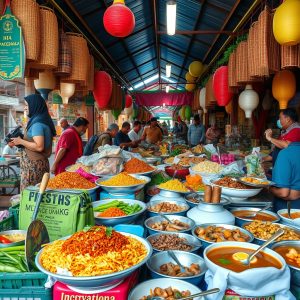
The Unseen Spice Trails: Indonesia’s Coastal and Highland Dishes That Dance Between Fire and Flavor

Indonesia’s culinary landscape is a vibrant tapestry woven with threads of spice, tradition, and geography. Beyond the well-trodden paths of rendang and satay lies a world of dishes that tell stories of coastal breezes, highland mists, and the fiery alchemy of local kitchens. These are the flavors that linger in memory, the ones that don’t just feed the body but awaken the soul. Here, we traverse the unseen spice trails to uncover the dishes that define Indonesia’s coastal and highland regions, where every bite is a journey through time and terrain.
The Fiery Heart of the Highlands: Ayam Taliwang and Sate Padang Pariaman
In the highlands of Lombok, Ayam Taliwang reigns as a testament to the island’s love affair with heat and spice. This grilled chicken dish is marinated in a paste of shallots, garlic, chili, and shrimp paste, then basted with coconut oil as it sizzles over charcoal. The result is a smoky, fiery masterpiece, often served with plecing kangkung—a spicy water spinach salad that cools the palate just enough to make you crave another bite. The dish is named after the village of Taliwang, where it originated, and its bold flavors reflect the rugged, sun-drenched landscapes of the island.
Meanwhile, in the highlands of West Sumatra, Sate Padang Pariaman offers a different kind of heat. Unlike the sweet and savory satay found elsewhere in Indonesia, this version is a symphony of spice, with a thick, yellow sauce made from turmeric, galangal, and a blend of aromatic spices. The skewers are grilled over an open flame, then smothered in the rich, spiced sauce, creating a dish that is as complex as it is comforting. It’s a flavor that lingers, much like the misty hills of Pariaman itself.
The Coastal Whispers: Mie Aceh Kepiting and Kupang Lontong Sidoarjo
On the northern tip of Sumatra, the coastal city of Banda Aceh is home to Mie Aceh Kepiting, a noodle dish that captures the essence of the sea. Thick, chewy noodles are stir-fried with crab, shrimp, and a medley of spices, including lemongrass, turmeric, and chili. The dish is often served with a side of emping (melinjo crackers) and a wedge of lime, adding a crunchy, citrusy contrast to the rich, spiced noodles. It’s a dish that speaks of the ocean’s bounty, where the flavors of the sea are elevated by the boldness of Acehnese spices.
Further east, in the coastal town of Sidoarjo, Kupang Lontong offers a humble yet unforgettable taste of the Java Sea. This dish features tiny clams (kupang) served in a fragrant coconut milk broth, poured over compressed rice cakes (lontong) and topped with fried shallots, sambal, and krupuk. The broth is the star here—a delicate balance of sweet, spicy, and umami flavors that reflect the region’s love for seafood and coconut. It’s a dish that feels like a warm embrace, perfect for a rainy afternoon by the sea.
The Hidden Gems of the Archipelago: Bebek Sinjay and Coto Makassar
Madura, an island off the coast of East Java, is famous for its Bebek Sinjay, a dish that transforms duck into something extraordinary. The duck is marinated in a blend of turmeric, coriander, and garlic, then slow-cooked until the meat is tender and the skin is crispy. It’s served with lontong, sambal, and a side of raw vegetables, creating a harmony of textures and flavors. The dish is named after the village of Sinjay, where it originated, and it’s a testament to Madura’s culinary ingenuity—turning simple ingredients into something truly magical.
In the southern reaches of Sulawesi, Coto Makassar is a dish that defies expectations. This hearty soup is made from slow-cooked beef, offal, and a rich broth infused with roasted coconut, lemongrass, and turmeric. It’s served with ketupat (compressed rice cakes) and a side of sambal, creating a dish that is as hearty as it is flavorful. Coto Makassar is more than just a meal; it’s a cultural experience, a dish that brings people together in the bustling markets and warungs of Makassar.
The Spice of Life: Nasi Liwet Solo and Ayam Tangkap Aceh
In the royal city of Solo, Nasi Liwet is a dish fit for kings. This fragrant rice is cooked in coconut milk and chicken broth, infused with lemongrass, pandan leaves, and a touch of turmeric. It’s often served with chicken, tempeh, and a side of sambal, creating a dish that is as elegant as it is comforting. Nasi Liwet is a staple at Javanese feasts, a dish that embodies the warmth and hospitality of Solo’s culinary traditions.
Back in Aceh, Ayam Tangkap is a dish that captures the wild, untamed flavors of the region. The chicken is marinated in a blend of spices, including turmeric, coriander, and chili, then fried until crispy. It’s served with a side of fresh herbs, sambal, and ketupat, creating a dish that is as vibrant as the landscapes of Aceh itself. The name “tangkap” (meaning “to catch”) reflects the dish’s origins—it was traditionally made with wild chicken, caught in the forests of Aceh.
Indonesia’s culinary treasures are not just about the food; they’re about the stories, the people, and the places that give them life. These dishes are more than just sustenance; they’re a celebration of the archipelago’s diversity, a testament to the creativity and resilience of its people. Whether it’s the fiery heat of Ayam Taliwang or the comforting warmth of Nasi Liwet, each dish is a journey through the unseen spice trails that define Indonesia’s culinary soul. And perhaps, in tasting them, we too become part of the story.