The Spice-Infused Journey: 8 Indonesian Dishes That Tell Stories of Land, Sea, and Legacy
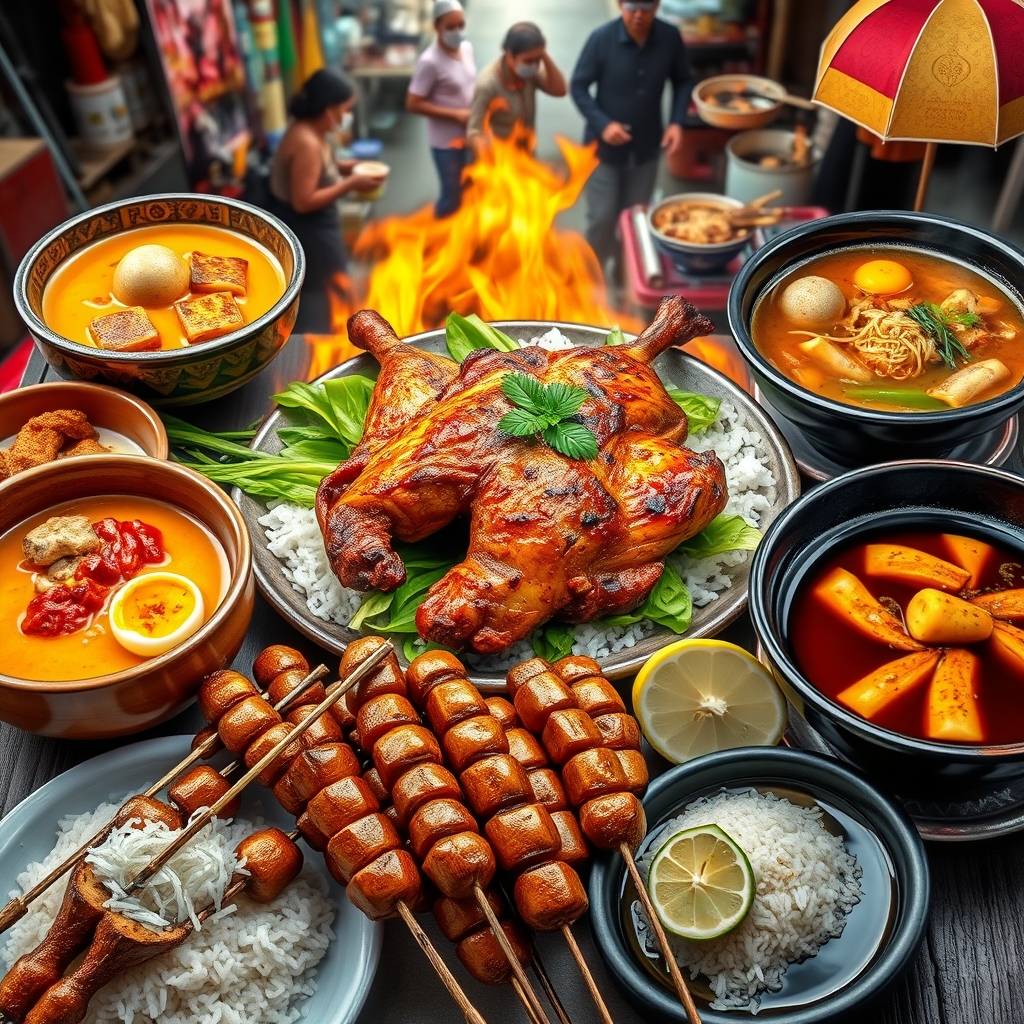
Indonesia’s culinary landscape is a vibrant mosaic of flavors, where each dish carries the whispers of its origin—whether it’s the misty highlands of Aceh, the bustling streets of Surabaya, or the sun-kissed shores of Lombok. These are not just meals; they are narratives simmered in spice, slow-cooked in tradition, and served with the pride of generations. To taste them is to embark on a journey through time, where every bite reveals a chapter of Indonesia’s rich cultural tapestry.
The Fiery Embrace of Ayam Taliwang
Nestled in the heart of Lombok, Ayam Taliwang is a dish that commands attention. The chicken, grilled over an open flame, is slathered in a paste of shallots, garlic, chili, and shrimp paste, creating a symphony of heat and smokiness that lingers on the palate. What makes this dish extraordinary is its balance—spicy, yet sweet; charred, yet tender. It’s a testament to Lombok’s love affair with chili, a spice that doesn’t just add heat but depth, transforming a simple grilled chicken into a culinary masterpiece. Served with plecing kangkung (water spinach in spicy coconut sauce) and a side of steamed rice, Ayam Taliwang is a dish that doesn’t just feed the body but stirs the soul.
The Secret Behind the Smoke
The magic of Ayam Taliwang lies in its preparation. The chicken is marinated for hours, sometimes overnight, allowing the spices to penetrate deep into the meat. The grilling process is an art in itself—charcoal is used to impart a smoky flavor, while the chicken is basted continuously with the marinade to ensure every bite is infused with spice. It’s a dish that demands patience, a quality that reflects the laid-back yet passionate spirit of Lombok’s people.
The Sweet and Savory Allure of Gudeg Yu Djum
In the ancient city of Yogyakarta, Gudeg Yu Djum stands as a symbol of Javanese culinary ingenuity. This dish, a slow-cooked jackfruit stew, is a harmony of sweet and savory flavors, achieved through hours of simmering in coconut milk and palm sugar. The jackfruit, tender and caramelized, absorbs the rich, spiced broth, creating a dish that is as comforting as it is complex. Gudeg is often served with a hard-boiled egg, crispy fried chicken, and a side of krecek (spicy cow skin crackers), making it a meal that satisfies every craving.
A Dish Steeped in History
Gudeg’s origins trace back to the royal kitchens of the Mataram Sultanate, where it was crafted as a dish fit for kings. The name “Yu Djum” refers to the legendary vendor who popularized the dish in the 1950s, turning it into a street food staple. Today, Gudeg is more than just a dish—it’s a cultural icon, a taste of Yogyakarta’s royal past and its enduring love for slow-cooked, spice-infused flavors.
The Bold and Unapologetic Rawon Setan
Surabaya’s Rawon Setan is not for the faint of heart. This beef soup, dark as midnight and rich with the earthy flavor of keluak (a black nut native to Indonesia), is a dish that divides opinions. Some are drawn to its deep, umami-packed broth, while others are intimidated by its intensity. But for those who dare to try it, Rawon Setan offers a culinary experience like no other—a bowl of beef, simmered for hours with garlic, shallots, and a blend of spices, served with a side of rice, bean sprouts, and sambal for an extra kick.
The Devil’s Soup
The name “Rawon Setan” (Devil’s Rawon) isn’t just for show. The dish is traditionally served late at night, catering to the city’s night owls and those seeking a hearty, spice-laden meal to cap off their evening. The keluak gives the broth its signature dark color and a unique, slightly bitter taste that sets it apart from other Indonesian soups. It’s a dish that doesn’t apologize for its boldness—it embraces it, much like Surabaya itself, a city known for its unyielding spirit and fiery character.
The Delicate Crunch of Sate Klatak
In the quiet town of Bantul, near Yogyakarta, Sate Klatak is a dish that defies convention. Unlike traditional satay, which is made with marinated meat, Sate Klatak is crafted from unmarinated goat or lamb, skewered on iron rods and grilled over an open flame. The result is a satay that is juicy, slightly charred, and bursting with the natural flavors of the meat. Served with a side of kecap manis (sweet soy sauce) and a sprinkle of fried shallots, it’s a dish that celebrates simplicity without sacrificing depth.
The Iron Skewer Secret
The use of iron skewers is what sets Sate Klatak apart. The iron conducts heat more efficiently than bamboo, ensuring the meat cooks evenly and retains its moisture. The skewers also impart a subtle metallic tang to the meat, adding another layer of complexity to the dish. It’s a technique that has been passed down through generations, a testament to the ingenuity of Bantul’s culinary artisans.
The Coastal Comfort of Mie Aceh Kepiting
On the northern tip of Sumatra, Mie Aceh Kepiting is a dish that captures the essence of Aceh’s coastal charm. This noodle dish, thick and chewy, is stir-fried with crab, prawns, and a medley of spices, creating a symphony of flavors that is both hearty and refined. The dish is often served with a side of emping (melinjo crackers) and a wedge of lime, adding a refreshing contrast to the rich, spiced noodles.
A Taste of the Sea
Aceh’s proximity to the sea is evident in every bite of Mie Aceh Kepiting. The crab and prawns are sourced fresh from the waters of the Indian Ocean, their sweetness amplified by the aromatic spices that define Acehnese cuisine—turmeric, coriander, and lemongrass. It’s a dish that speaks of the sea, of fishermen’s tales, and of the enduring bond between Aceh’s people and the ocean that sustains them.
The Spiced Elegance of Nasi Liwet Solo
In the royal city of Solo, Nasi Liwet is a dish that embodies Javanese elegance. This fragrant rice, cooked in coconut milk and spiced with lemongrass, galangal, and bay leaves, is a celebration of simplicity and sophistication. Often served with chicken, tempeh, and a side of sambal, Nasi Liwet is a dish that doesn’t just fill the stomach but nourishes the spirit. It’s a staple at Javanese feasts, a dish that brings families together and honors the traditions of the past.
The Rice of Kings
Nasi Liwet’s origins can be traced back to the royal courts of Solo, where it was prepared as a dish fit for nobility. The use of coconut milk and spices reflects the Javanese love for subtle, aromatic flavors, while the cooking method—steamed in banana leaves—adds a delicate fragrance that elevates the dish to new heights. Today, Nasi Liwet is a beloved comfort food, a taste of Solo’s royal heritage and its enduring culinary legacy.
The Tangy Delight of Tahu Tek Surabaya
Surabaya’s Tahu Tek is a dish that plays with textures and flavors. Crispy tofu, boiled potatoes, bean sprouts, and lontong (compressed rice cakes) are tossed in a tangy peanut sauce, creating a dish that is crunchy, creamy, and refreshing all at once. The addition of petis (shrimp paste) and kecap manis gives the sauce a depth of flavor that is uniquely Surabayan—sweet, salty, and slightly funky. It’s a dish that embodies the city’s vibrant street food culture, where bold flavors and creative combinations reign supreme.
The Art of the Peanut Sauce
The peanut sauce is the heart of Tahu Tek. Made from ground peanuts, palm sugar, tamarind, and a blend of spices, it’s a sauce that balances sweetness, tanginess, and umami in perfect harmony. The dish is often garnished with fried shallots and krupuk (shrimp crackers), adding a final layer of crunch and flavor. It’s a dish that doesn’t just satisfy hunger—it sparks joy, one bite at a time.
Indonesia’s regional dishes are more than just food; they are stories of resilience, creativity, and the unbreakable bond between people and their land. Each dish carries the flavors of its origin, the techniques of its creators, and the memories of those who have savored it. To taste them is to connect with the heart of Indonesia, a place where every meal is a celebration of life, culture, and the endless possibilities of spice.