Indonesia’s Culinary Crossroads: Where Tradition Meets Innovation in Regional Dishes
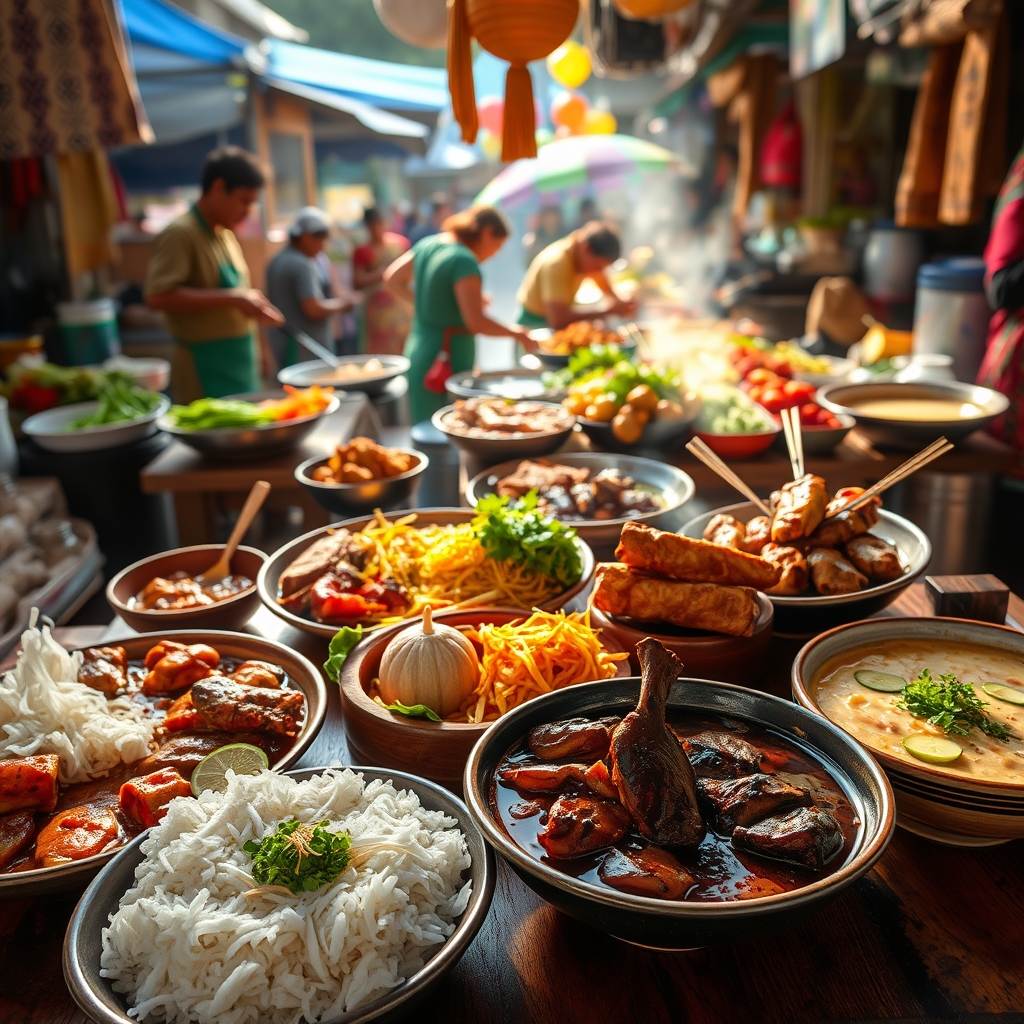
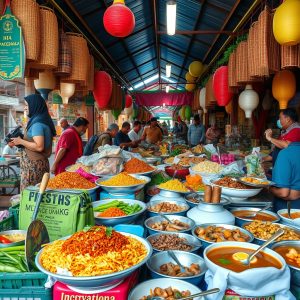
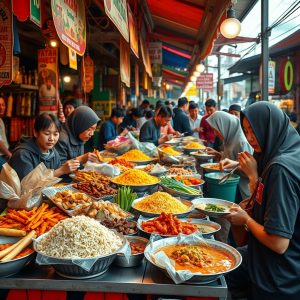
Indonesia’s culinary landscape is a vibrant tapestry woven from centuries of trade, migration, and cultural exchange. Each region boasts dishes that are not just meals but narratives of history, geography, and ingenuity. These are the flavors that define communities, the recipes passed down through generations, and the innovations that keep them relevant in a modern world. From the fiery spices of Aceh to the sweet, coconut-infused delicacies of Manado, Indonesia’s regional dishes are a testament to the country’s ability to harmonize tradition with creativity.
The Spice-Driven Legacy of Sumatra
Sumatra, the western gateway to Indonesia, is where the spice trade once flourished, leaving behind a legacy of bold, aromatic dishes. Nasi Padang Minangkabau is perhaps the most iconic representation of this heritage. Originating from West Sumatra, this dish is a symphony of flavors served on a plate—steamed rice accompanied by an array of curries, rendang, and fried delicacies. What makes Nasi Padang unique is its communal style of serving; diners are presented with a table full of dishes, allowing them to mix and match according to their preferences. The Minangkabau people, known for their matrilineal culture, have turned this culinary tradition into an art form, where every bite tells a story of their rich history and resourcefulness.
Further north, in Aceh, Ayam Tangkap captures the essence of the region’s coastal and mountainous terrain. This dish features chicken marinated in a blend of turmeric, lemongrass, and other spices, then fried to perfection with an abundance of crispy shallots, cashews, and sometimes even jackfruit. The name “Tangkap” (meaning “to catch”) reflects the dish’s origins as a quick, hearty meal for hunters and fishermen. Today, it stands as a symbol of Aceh’s resilience and adaptability, a dish that has evolved while staying true to its roots.
The Sweet and Savory Delights of Java
Java, the heart of Indonesia, is home to dishes that balance sweet and savory in ways that surprise and delight. Gudeg Yu Djum, a specialty of Yogyakarta, is a prime example. This young jackfruit stew is slow-cooked in coconut milk and palm sugar until it achieves a caramelized, almost jam-like consistency. The dish is traditionally served with rice, chicken, hard-boiled eggs, and a side of crispy krecek (buffalo skin crackers). Gudeg’s sweetness is a reflection of Javanese culture, where harmony and balance are valued above all else. The “Yu Djum” in its name refers to the legendary woman who popularized the dish, turning it into a culinary icon of the region.
In Surabaya, Rawon Setan offers a stark contrast to Gudeg’s sweetness. This black beef soup, colored by the use of keluak nuts, is a dish that commands attention. The name “Setan” (devil) hints at its intense, almost sinful flavor profile—rich, earthy, and slightly bitter. Rawon is often enjoyed late at night, a favorite among night owls and those seeking comfort in its deep, complex broth. It’s a dish that embodies the spirit of Surabaya: bold, unapologetic, and full of character.
The Art of Street Food: Where Simplicity Meets Brilliance
Indonesia’s street food scene is where some of the most innovative and beloved dishes are born. In Bantul, near Yogyakarta, Sate Klatak stands out for its simplicity and depth of flavor. Unlike traditional satay, which is often marinated in sweet soy sauce, Sate Klatak is made from chunks of goat or lamb skewered on iron rods and grilled over an open flame. The meat is seasoned only with salt, allowing its natural flavors to shine. The result is a smoky, tender skewer that has become a staple of Javanese street food culture.
Meanwhile, in Surabaya, Tahu Tek is a dish that showcases the city’s love for textures and contrasts. This tofu salad is a medley of fried tofu, boiled potatoes, bean sprouts, and lontong (compressed rice cakes), all smothered in a peanut sauce that’s both sweet and spicy. The dish is finished with a sprinkle of kerupuk (crackers) for crunch, creating a symphony of flavors and textures in every bite. Tahu Tek is a testament to the ingenuity of street vendors, who transform humble ingredients into something extraordinary.
The Coastal and Island Flavors of Eastern Indonesia
Eastern Indonesia, with its vast coastlines and island cultures, offers dishes that are as diverse as the landscapes themselves. In Makassar, Coto Makassar Asli is a beef soup that has been perfected over centuries. The broth is made from a blend of spices, including turmeric, coriander, and lemongrass, and is thickened with ground peanuts. The dish is traditionally served with ketupat (rice cakes) and a side of sambal, making it a hearty and satisfying meal. Coto Makassar is more than just a dish; it’s a cultural institution, a symbol of the city’s maritime heritage and its role as a melting pot of flavors.
On the island of Lombok, Ayam Taliwang is a dish that ignites the senses. This grilled chicken is marinated in a fiery blend of chili, garlic, and shrimp paste, then grilled over charcoal until the skin is crispy and the meat is tender. The dish is named after the village of Taliwang, where it originated, and is often served with plecing kangkung (water spinach in spicy tomato sauce) and rice. Ayam Taliwang is a celebration of Lombok’s love for heat and bold flavors, a dish that leaves a lasting impression on anyone who tries it.
In Manado, Klappertaart offers a sweet respite from the region’s spicy dishes. This coconut cake is a fusion of Dutch and Indonesian influences, featuring a moist, custard-like texture and a caramelized top. The cake is made with fresh coconut milk, giving it a rich, tropical flavor that’s both comforting and indulgent. Klappertaart is a reminder of how Indonesia’s culinary traditions have been shaped by its colonial past, yet remain distinctly its own.
Indonesia’s regional dishes are more than just food; they are a reflection of the country’s soul. Each dish carries with it a story of adaptation, innovation, and resilience. Whether it’s the fiery spices of Aceh, the sweet harmonies of Java, or the bold flavors of the eastern islands, these culinary creations invite us to explore the diverse cultures that make up this archipelago. They remind us that food is not just sustenance but a bridge between the past and the present, a way to connect with the people and places that have shaped Indonesia’s identity.