Nourishing Nusantara: Healthy Indonesian Dishes for a Low-Fat Diet
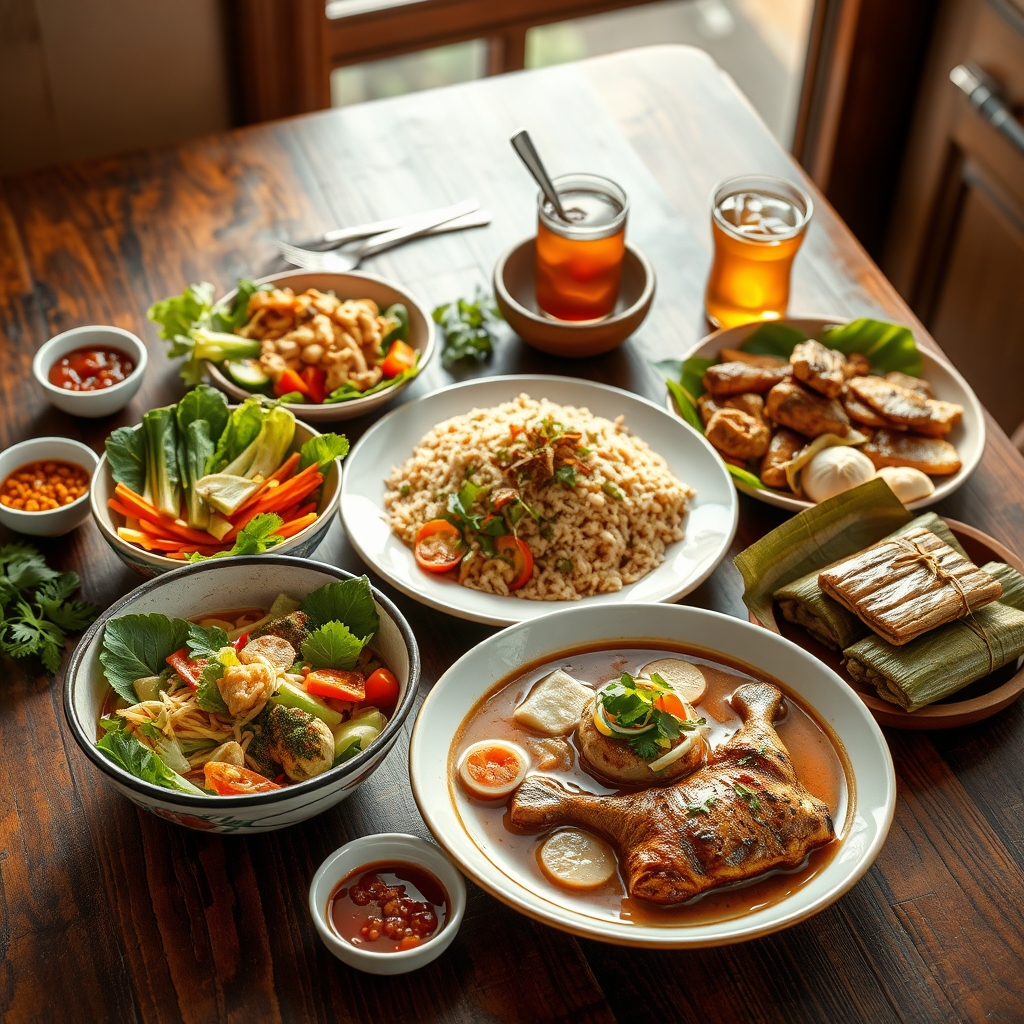
Indonesian cuisine is a vibrant tapestry of flavors, colors, and textures, often celebrated for its rich and aromatic dishes. However, many traditional recipes can be adapted to fit a low-fat diet without sacrificing taste or cultural authenticity. By making mindful ingredient swaps and cooking techniques, you can enjoy the best of Nusantara’s culinary heritage while keeping your meals nutritious and waistline-friendly. Here’s how you can transform classic Indonesian dishes into healthier versions that align with your dietary goals.
The Art of Low-Fat Indonesian Cooking
Indonesian food is deeply rooted in balance—combining proteins, vegetables, and spices to create harmonious flavors. The key to a low-fat diet lies in reducing oils, coconut milk, and fatty meats while amplifying the natural tastes of fresh ingredients. Steaming, grilling, and stir-frying with minimal oil are excellent techniques to retain flavor without excess fat. Additionally, incorporating more plant-based proteins like tofu, tempeh, and legumes can make meals lighter yet satisfying.
Resep Gado Gado Diet: A Lighter Take on a Classic
Gado Gado, Indonesia’s beloved salad, is typically drenched in a rich peanut sauce. For a low-fat version, opt for a lighter peanut dressing made with natural peanut butter, a splash of low-sodium soy sauce, lime juice, garlic, and a touch of honey or palm sugar. Skip the fried shallots and use raw or roasted peanuts for crunch. Load up on fresh vegetables like bean sprouts, cabbage, cucumber, and spinach to create a crunchy, nutrient-packed bowl that’s as colorful as it is delicious.
Nasi Merah Nusantara: The Wholesome Alternative
White rice is a staple in Indonesian meals, but swapping it for nasi merah (red rice) can significantly boost your fiber and nutrient intake. Red rice has a lower glycemic index, which helps regulate blood sugar levels, and its nutty flavor pairs beautifully with grilled proteins and vegetables. Serve it with sambal terasi mentah (raw chili and shrimp paste dip) for a zesty kick, or alongside tahu tempe bakar (grilled tofu and tempeh) for a protein-rich, low-fat meal.
Comforting Soups Without the Guilt
Indonesian soups are often creamy and hearty, thanks to the generous use of coconut milk. However, there are plenty of ways to enjoy these comforting dishes without the added fat. For instance, soto ayam tanpa santan (chicken soup without coconut milk) can be just as flavorful with a broth made from turmeric, lemongrass, galangal, and kaffir lime leaves. Shredded chicken, bean sprouts, and a sprinkle of fried shallots (used sparingly) add texture and depth without overwhelming the dish with calories.
Sup Ayam Kampung: A Protein-Packed Delight
Free-range or ayam kampung (village chicken) is leaner than commercially raised chicken, making it an excellent choice for a low-fat diet. Simmer the chicken with aromatic spices like ginger, garlic, and turmeric to create a fragrant broth. Add vegetables such as carrots, celery, and leeks for extra fiber and vitamins. This soup is not only nourishing but also incredibly comforting, perfect for a cozy meal without the heaviness of traditional recipes.
Grilled and Steamed Delicacies
Grilling and steaming are two of the healthiest cooking methods, as they require little to no oil. Ikan pepes sunda (Sundanese steamed fish in banana leaves) is a prime example of how Indonesian cuisine can be both flavorful and low-fat. The fish is marinated in a blend of turmeric, garlic, shallots, and lime, then steamed to perfection. The banana leaves infuse the dish with a subtle earthy aroma, making it a standout dish for any health-conscious food lover.
Sate Ayam Tanpa Lemak: A Lean Twist on Satay
Satay is a crowd-pleaser, but traditional recipes often use fatty cuts of meat and generous amounts of oil. For a leaner version, use skinless chicken breast marinated in a mix of turmeric, coriander, garlic, and a touch of low-sodium soy sauce. Grill the skewers until charred and serve with a side of lalapan segar nusantara (fresh vegetable platter) and a small portion of sambal terasi mentah for dipping. This version keeps the smoky, spicy flavors intact while cutting down on unnecessary fats.
Vegetable-Centric Dishes for a Lighter Meal
Indonesian cuisine offers a plethora of vegetable-based dishes that are naturally low in fat. Sayur bening bayam (clear spinach soup) is a simple yet nourishing dish made with spinach, corn, and a light broth flavored with garlic and shallots. It’s a great way to incorporate more greens into your diet while enjoying a soothing, warm meal. Another excellent option is urap sayur kelapa, a Javanese salad made with steamed vegetables mixed with grated coconut. For a low-fat version, use a minimal amount of coconut or substitute it with toasted almond flakes for crunch.
Tumis Kangkung Lombok: A Spicy Stir-Fry
Water spinach, or kangkung, is a staple in Indonesian stir-fries. For a low-fat version, sauté the greens with garlic, shallots, and a small amount of chili (lombok) in a non-stick pan with just a teaspoon of oil. A splash of soy sauce and a squeeze of lime elevate the flavors without adding extra fat. This dish is quick to prepare and pairs well with nasi merah or grilled fish.
Sweet and Savory Low-Fat Desserts
Even desserts can be part of a low-fat diet with a few clever tweaks. Bubur Manado sehat (healthy Manado porridge) is a comforting dish made with black rice, pumpkin, and a touch of coconut milk. To reduce the fat content, use light coconut milk or almond milk instead. The natural sweetness of the pumpkin and the chewy texture of black rice make this porridge a satisfying end to any meal. For a refreshing option, try jamu kunyit asam, a traditional herbal drink made with turmeric, tamarind, and a hint of honey. It’s not only low in fat but also packed with anti-inflammatory benefits.
Exploring the diverse flavors of Indonesian cuisine doesn’t mean compromising on health. By embracing lighter cooking methods and mindful ingredient choices, you can savor the richness of Nusantara’s culinary traditions while staying true to your dietary goals. Whether it’s a hearty soup, a grilled delicacy, or a vibrant vegetable dish, there’s always a way to enjoy the best of Indonesian food without the extra fat. The key is to celebrate the natural flavors of fresh, wholesome ingredients and let them shine in every bite.