
The Alchemy of Modern Taste: How Unconventional Ingredients Are Crafting Tomorrow’s Comfort Foods
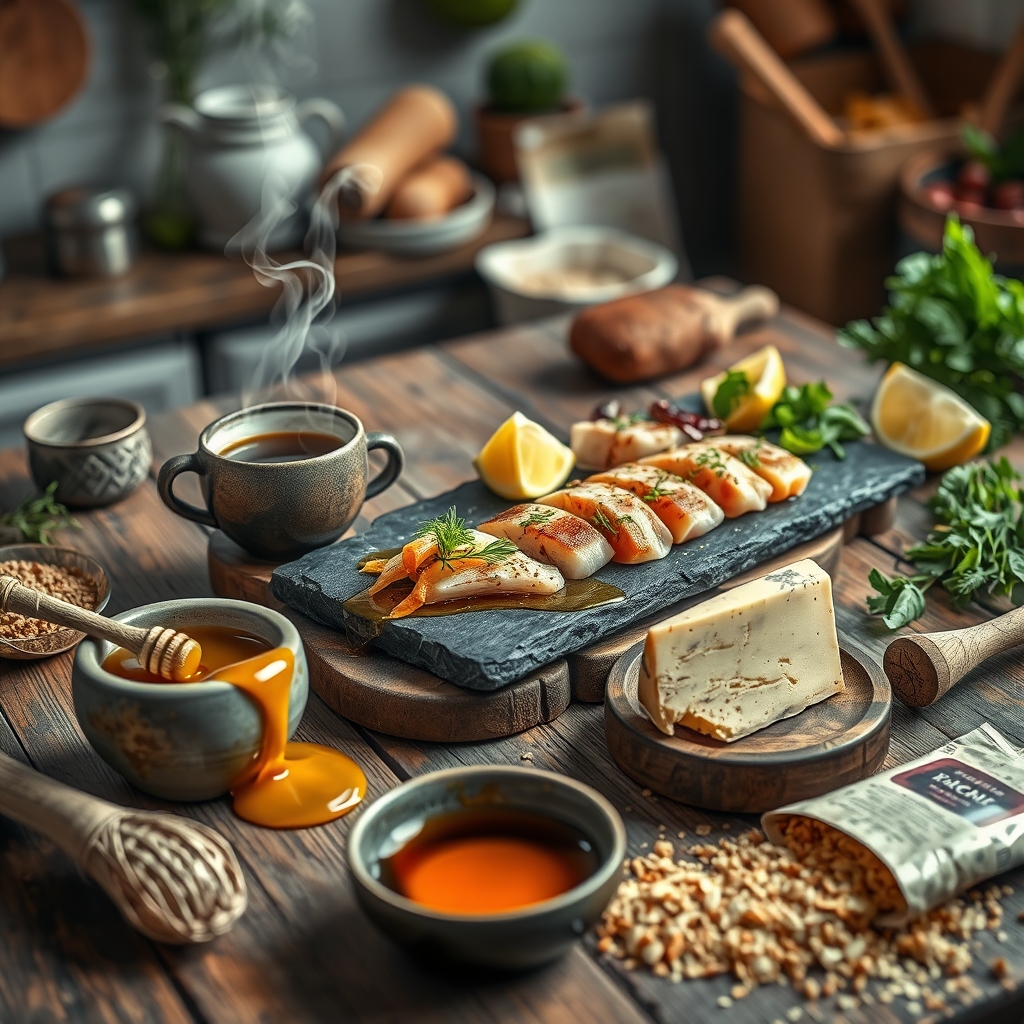
The culinary world is in the midst of a quiet revolution, one where the familiar is being reimagined through the lens of the unexpected. No longer confined to traditional boundaries, today’s most exciting flavors emerge from ingredients that challenge convention—whether it’s the umami depth of plant-based seafood, the earthy richness of mushroom coffee, or the fiery sweetness of spicy honey. These aren’t just fleeting trends; they’re the building blocks of a new gastronomic language, one that speaks to both innovation and nostalgia.
The Rise of Plant-Based Seafood: A Wave of Change
For decades, the idea of seafood without the sea seemed impossible. Yet, thanks to advances in food science and a growing demand for sustainable alternatives, plant-based seafood is making waves. Brands are crafting everything from kelp-based tuna to algae-infused scallops, delivering the briny, flaky textures that seafood lovers crave—without the environmental toll. The secret? A blend of legumes, seaweed, and fermentation techniques that mimic the ocean’s complexity. It’s not just about replacing fish; it’s about redefining what seafood can be.
Why It Matters
The ocean’s resources are finite, and overfishing has pushed many species to the brink. Plant-based seafood offers a way to enjoy the flavors of the sea without contributing to its depletion. Plus, it’s a game-changer for those with dietary restrictions, allergies, or ethical concerns about animal welfare. The next time you crave sushi or a seafood boil, consider this: the future of the ocean might just be growing in a lab—or a field of peas.
Mushroom Coffee: The Earthy Elixir for the Modern Palate
Coffee has long been the world’s favorite morning ritual, but what if your brew could do more than just wake you up? Enter mushroom coffee, a blend of traditional coffee beans and adaptogenic mushrooms like lion’s mane, chaga, or reishi. The result is a smoother, less acidic cup with a deep, earthy flavor that’s as invigorating as it is grounding. Unlike conventional coffee, which can leave you jittery, mushroom coffee offers a balanced energy boost, thanks to the natural compounds in fungi that support focus and reduce stress.
The Science Behind the Sip
Mushrooms have been used in traditional medicine for centuries, but only recently have their benefits been paired with coffee. Lion’s mane, for example, is believed to enhance cognitive function, while reishi is known for its immune-boosting properties. When combined with coffee, these mushrooms create a synergy that’s greater than the sum of its parts. It’s not just a drink; it’s a daily dose of wellness, disguised as your morning cup of joe.
Spicy Honey and Crispy Chili Oil: The Sweet Heat Revolution
Sweet and spicy have always been a match made in flavor heaven, but today’s iterations are taking things to new heights. Spicy honey—infused with chili peppers, ginger, or even citrus—adds a complex kick to everything from cheese boards to fried chicken. Meanwhile, crispy chili oil, with its crunchy garlic and chili flakes suspended in golden oil, is becoming a staple in kitchens worldwide. These condiments aren’t just about heat; they’re about layers—sweetness, spice, umami, and texture—all in one bite.
How to Use Them
Drizzle spicy honey over a charcuterie board to balance the saltiness of cured meats, or stir it into yogurt for a sweet-spicy dip. Crispy chili oil, on the other hand, is perfect for topping noodles, dumplings, or even avocado toast. The key is experimentation. These condiments are versatile enough to elevate even the simplest dishes, turning everyday meals into something extraordinary.
Botanical Elixirs and Fermented Condiments: The New Flavor Alchemists
Fermentation isn’t new—it’s been used for centuries to preserve food and enhance flavor. But today’s fermented condiments are pushing boundaries, blending ancient techniques with modern creativity. Think yuzu vinegar, with its bright, citrusy tang, or gochujang glaze, which marries the funk of fermentation with the heat of Korean chili paste. These ingredients are more than just flavor enhancers; they’re the secret weapons of chefs and home cooks alike, adding depth and complexity to dishes with just a spoonful.
The Magic of Microbes
Fermentation is a living process, where microbes break down sugars and starches to create new flavors and textures. The result? Condiments that are alive with umami, tang, and a subtle funk that can’t be replicated by artificial means. Take black garlic pasta, for example—a dish that relies on fermented garlic to deliver a deep, molasses-like sweetness. Or hibiscus tea, which transforms from a simple floral infusion into a vibrant, tart elixir when fermented. These ingredients are proof that the best flavors often come from the most unexpected places.
Regenerative Grains and Sweet Potato Flour: The Future of Baking
Baking is undergoing a renaissance, thanks to ingredients like regenerative grains and sweet potato flour. Regenerative grains—such as kernza and sorghum—are grown using farming practices that restore soil health, sequester carbon, and support biodiversity. Meanwhile, sweet potato flour, with its naturally sweet, earthy flavor, is becoming a favorite for gluten-free baking, adding moisture and richness to everything from pancakes to sourdough flatbread.
Why These Grains Matter
Conventional agriculture has taken a toll on the planet, but regenerative farming offers a way forward. By prioritizing soil health, these grains not only produce better-tasting food but also help combat climate change. Sweet potato flour, on the other hand, is a nutritional powerhouse, packed with fiber, vitamins, and antioxidants. Together, they’re redefining what it means to bake sustainably—without sacrificing flavor or texture.
The beauty of these ingredients lies in their ability to surprise us. They challenge our expectations, inviting us to rethink what’s possible in the kitchen. Whether it’s the smoky depth of a gochujang glaze, the creamy indulgence of oat milk soft serve, or the earthy richness of a mushroom-infused latte, these flavors are more than just trends—they’re a glimpse into the future of food. And the best part? They’re accessible, adaptable, and endlessly inspiring, proving that the next great meal might just be hiding in plain sight, waiting to be discovered.