The Fiery and Fragrant Heart of Java: 5 Iconic Dishes That Define the Island’s Culinary Soul
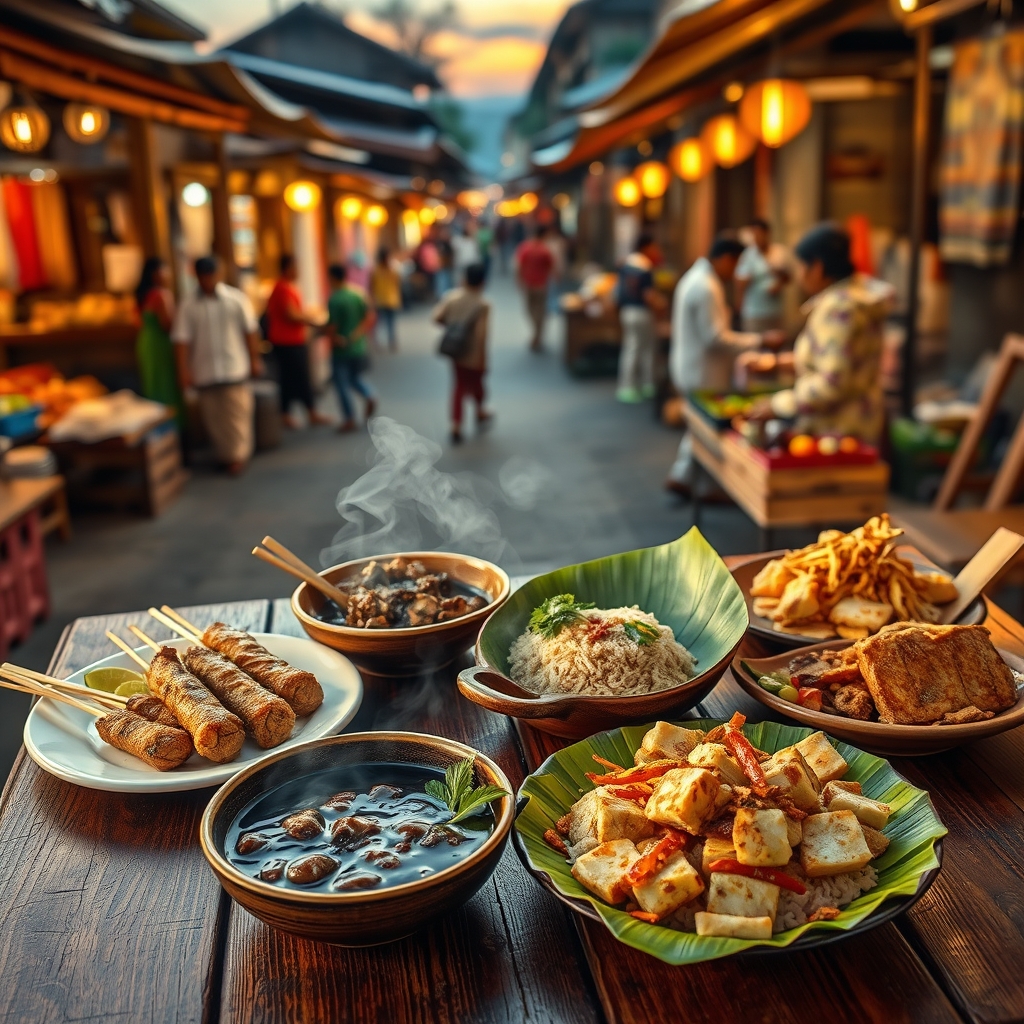
Java, the cultural and culinary heartbeat of Indonesia, is a land where tradition and flavor intertwine in every dish. Beyond the well-trodden paths of rendang and nasi goreng, the island harbors a treasure trove of regional delicacies that tell stories of history, migration, and the relentless pursuit of bold flavors. These dishes are not just meals; they are living legacies, passed down through generations, each bite a testament to the island’s rich tapestry of influences—from the spice trade to colonial encounters. Here, we explore five iconic Javanese dishes that embody the fiery spirit and fragrant allure of Java’s culinary soul.
The Smoky Allure of Sate Klatak Bantul
In the quiet town of Bantul, just south of Yogyakarta, a sate unlike any other sizzles over open flames. Sate Klatak, named for the crackling sound of its skewers hitting the grill, is a dish that defies convention. Unlike its more famous cousin, sate madura, which is drenched in sweet soy sauce, Sate Klatak is a study in minimalism. The skewers are made from iron, not bamboo, and the meat—typically goat or lamb—is seasoned with nothing more than salt and a whisper of turmeric. The result is a smoky, charred exterior giving way to tender, juicy meat that carries the primal essence of fire and flesh. Served with a side of lontong (compressed rice cakes) and a spicy sambal, this dish is a celebration of simplicity, where the quality of the meat and the skill of the grill master take center stage.
What makes Sate Klatak truly special is its connection to the land. The goats and lambs are often sourced from the surrounding villages, where they graze on wild grasses and herbs, infusing their meat with a depth of flavor that mass-produced livestock simply cannot match. Eating Sate Klatak is not just a meal; it’s an experience that connects you to the rhythms of rural Java, where time moves slower and every bite tells a story.
The Dark Magic of Rawon Setan Surabaya
Surabaya, Java’s bustling port city, is home to one of the island’s most enigmatic dishes: Rawon Setan. This beef soup, whose name translates to “Devil’s Rawon,” is a midnight feast for the brave. Its inky black broth, derived from the use of keluak nuts, is a visual and gustatory shock to the uninitiated. The nuts, native to the mangrove swamps of Indonesia, lend the soup a deep, earthy bitterness that is balanced by a complex blend of spices—galangal, lemongrass, turmeric, and a hint of chili. The meat, slow-cooked until it melts in your mouth, is served with a side of bean sprouts, salted eggs, and a squeeze of lime, which cuts through the richness of the broth.
Rawon Setan is not for the faint of heart. It’s a dish that revels in its darkness, both in color and in reputation. Traditionally served in the dead of night, it was once the domain of night owls and laborers who needed a hearty, warming meal to fuel their late-night endeavors. Today, it’s a badge of honor for those who dare to embrace its bold flavors. The soup’s name, “Setan” (devil), is a nod to its sinful richness and the late-night culture that surrounds it. To eat Rawon Setan is to partake in a ritual that celebrates Java’s love affair with the dramatic and the delicious.
The Spicy Romance of Ayam Taliwang Lombok’s Javanese Cousin
While Ayam Taliwang is often associated with the island of Lombok, its influence has seeped into Java, particularly in the eastern regions where the flavors of the archipelago blur and blend. This grilled chicken dish is a masterclass in balancing heat, sweetness, and smokiness. The chicken is marinated in a paste of shallots, garlic, chili, and shrimp paste, then grilled over coconut husks, which impart a unique, aromatic smoke. The result is a dish that is at once fiery and fragrant, with a caramelized crust that gives way to succulent, spice-infused meat.
In Java, Ayam Taliwang is often served with plecing kangkung, a water spinach salad dressed in a tangy, spicy sauce made from tomatoes, chili, and lime. The combination of the smoky chicken and the fresh, zesty salad is a match made in culinary heaven. What sets Javanese Ayam Taliwang apart from its Lombok counterpart is the addition of local spices and techniques, such as the use of kecap manis (sweet soy sauce) to glaze the chicken, adding a layer of complexity that is distinctly Javanese. This dish is a testament to the way Java absorbs and reinterprets flavors from across the archipelago, making them its own.
The Comforting Embrace of Nasi Liwet Solo
In the royal city of Solo, where tradition is woven into the very fabric of daily life, Nasi Liwet stands as a symbol of Javanese hospitality and comfort. This fragrant rice dish is cooked in coconut milk, chicken broth, and a blend of spices that includes lemongrass, galangal, and bay leaves. The rice is then topped with tender chicken, young jackfruit, and sometimes hard-boiled eggs, all of which soak up the rich, aromatic broth. The dish is traditionally served on a banana leaf, which adds a subtle earthiness to the meal.
Nasi Liwet is more than just a dish; it’s a centerpiece for gatherings, a comfort food for rainy days, and a reminder of home for those who have ventured far from Solo. The preparation of Nasi Liwet is often a communal affair, with family members gathering to chop ingredients, stir the pot, and share stories. The dish’s simplicity belies its depth of flavor, and its ability to bring people together is a testament to the power of food as a cultural unifier. In a world that moves too fast, Nasi Liwet is a gentle reminder to slow down, savor the moment, and appreciate the simple pleasures of life.
The Crispy Delight of Tahu Tek Surabaya
Surabaya’s culinary scene is a playground for the senses, and Tahu Tek is one of its most beloved street food offerings. This dish is a symphony of textures and flavors, featuring fried tofu, boiled potatoes, bean sprouts, and lontong, all smothered in a rich, nutty sauce made from peanuts, sweet soy sauce, and chili. The tofu is fried to a golden crisp, providing a satisfying crunch that contrasts with the softness of the lontong and the freshness of the bean sprouts. A sprinkle of fried shallots and a squeeze of lime add the final touches, elevating the dish to new heights of deliciousness.
Tahu Tek is a dish that embodies the spirit of Surabaya—bold, unapologetic, and full of life. It’s a street food staple that has stood the test of time, evolving with the tastes of the city while retaining its core identity. The dish’s name, “Tek,” is derived from the sound of the knife chopping the ingredients, a nod to the rhythmic, almost musical process of assembling the dish. Eating Tahu Tek is an experience that engages all the senses, from the sizzle of the tofu hitting the hot oil to the burst of flavors in every bite. It’s a dish that demands to be eaten with your hands, savored slowly, and shared with friends.
Java’s culinary landscape is a vibrant mosaic of flavors, where every dish tells a story and every meal is an opportunity to connect with the island’s rich heritage. These five dishes—Sate Klatak, Rawon Setan, Ayam Taliwang, Nasi Liwet, and Tahu Tek—are not just food; they are expressions of Java’s soul, each one a thread in the tapestry of the island’s culinary identity. To taste them is to embark on a journey through time and tradition, where the past and present collide in a symphony of spice, smoke, and soul. Whether you’re a seasoned traveler or a curious foodie, these dishes offer a glimpse into the heart of Java, where every bite is a celebration of life, culture, and community.