
The New Wave of Plant-Based Seafood: How Innovation is Transforming the Ocean’s Bounty Without the Catch
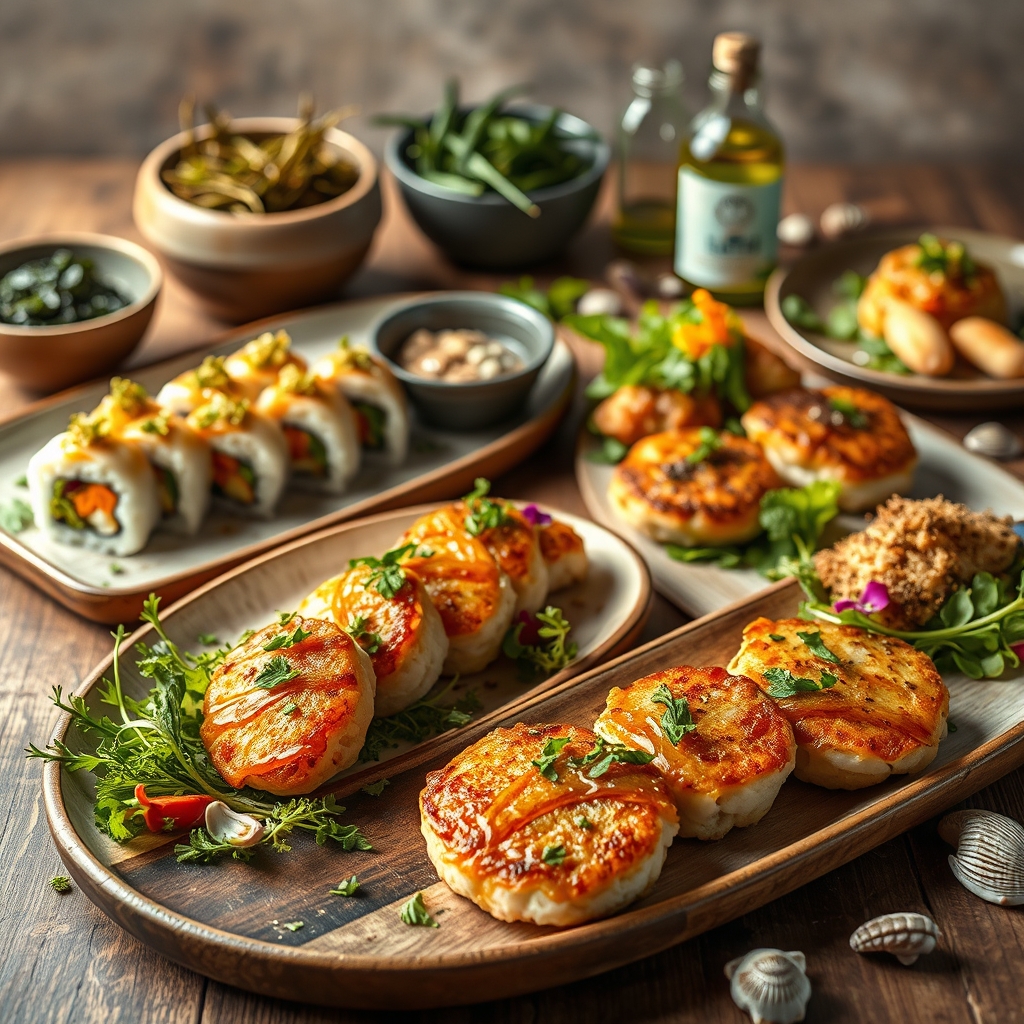
The culinary world is undergoing a quiet revolution, one that promises to redefine our relationship with seafood without ever casting a net. Plant-based seafood is emerging as a game-changer, offering the flavors, textures, and nutritional benefits of traditional seafood while addressing the environmental and ethical concerns tied to overfishing and marine ecosystems. From sushi-grade tuna made from tomatoes to shrimp crafted from konjac root, the possibilities are as vast as the ocean itself.
The Science Behind the Sea(food)
At the heart of this innovation lies a deep understanding of food science and a commitment to sustainability. Companies are leveraging ingredients like pea protein, seaweed, and algae to mimic the umami-rich, briny notes of seafood. For instance, algae-derived DHA and EPA—omega-3 fatty acids typically found in fish—are being incorporated into plant-based alternatives to replicate the nutritional profile of salmon or mackerel. Meanwhile, advanced extrusion techniques are used to create fibrous textures that closely resemble the flakiness of fish or the firm bite of scallops.
One standout example is the rise of plant-based scallops, which are often made from mushrooms or heart of palm. These ingredients not only provide a similar mouthfeel but also absorb flavors beautifully, making them a versatile addition to dishes like ceviche or seared scallop risotto. The result? A dish that satisfies both the palate and the conscience.
Why Plant-Based Seafood is Gaining Traction
The shift toward plant-based seafood isn’t just a fleeting trend—it’s a response to pressing global challenges. Overfishing has depleted nearly a third of the world’s fish populations, and bycatch (the unintentional capture of non-target species) continues to threaten marine biodiversity. Plant-based alternatives offer a way to enjoy seafood without contributing to these issues, making them an attractive option for environmentally conscious consumers.
Moreover, plant-based seafood is often free from contaminants like mercury and microplastics, which have become increasingly prevalent in wild-caught fish. This makes it a safer choice for those who are pregnant, young children, or anyone looking to minimize their exposure to these harmful substances. Add to that the fact that many plant-based options are lower in cholesterol and saturated fats, and it’s clear why this category is poised for explosive growth.
Culinary Creativity Unleashed
The versatility of plant-based seafood is one of its most exciting aspects. Chefs and home cooks alike are experimenting with these ingredients in ways that go far beyond simple substitutions. Take, for example, the rise of plant-based fish tacos, where shredded king oyster mushrooms stand in for cod, delivering a crispy, flaky texture that holds up beautifully to frying. Or consider the growing popularity of vegan sushi, where carrots or beets are marinated to mimic the taste and appearance of raw fish, creating a visually stunning and delicious alternative.
Another standout trend is the use of plant-based seafood in global cuisines. In Mediterranean dishes, chickpea-based tuna is being used to create vegan versions of classic salads like niçoise. In Asian cuisine, konjac-based shrimp is starring in everything from stir-fries to dumplings, offering a low-calorie, high-protein alternative that doesn’t skimp on flavor. Even fast-food chains are getting in on the action, with plant-based fish sandwiches making their debut on menus across the country.
The Role of Flavor Innovation
Of course, none of this would be possible without a deep dive into flavor innovation. The key to making plant-based seafood truly shine lies in replicating the complex, briny notes that define seafood. This is where ingredients like nori, dulse, and other seaweeds come into play, providing that unmistakable oceanic essence. Fermented condiments, such as miso or soy sauce, are also being used to add depth and umami, while spices like Old Bay or smoked paprika help to round out the flavor profile.
One particularly exciting development is the use of spicy honey or crispy chili oil to elevate plant-based seafood dishes. A drizzle of spicy honey over a plant-based crab cake, for example, can add a sweet and fiery contrast that takes the dish to the next level. Similarly, crispy chili oil can be used to finish a plate of vegan scallops, adding a crunchy, spicy kick that complements the delicate flavor of the seafood alternative.
The Future of Plant-Based Seafood
As technology continues to advance, the possibilities for plant-based seafood are virtually limitless. Researchers are exploring the use of 3D printing to create even more realistic textures, while others are experimenting with lab-grown seafood, which could offer an even closer approximation to the real thing. Meanwhile, the rise of regenerative agriculture is ensuring that the ingredients used in these products are not only sustainable but also beneficial to the planet.
For consumers, the message is clear: plant-based seafood is no longer a compromise. It’s a delicious, nutritious, and sustainable choice that opens up a world of culinary possibilities. Whether you’re a longtime vegan, a flexitarian, or simply someone looking to reduce your environmental footprint, there’s never been a better time to dive into the world of plant-based seafood. The ocean’s bounty is being reimagined, and the results are nothing short of extraordinary.
As these innovations continue to evolve, they remind us that the future of food isn’t just about what we eat—it’s about how we eat. It’s about making choices that nourish our bodies, delight our senses, and protect the planet for generations to come. And in the case of plant-based seafood, those choices are as exciting as they are impactful, offering a taste of what’s possible when creativity and sustainability collide.