Indonesia’s Culinary Heartbeat: The Regional Dishes That Bind Generations and Borders
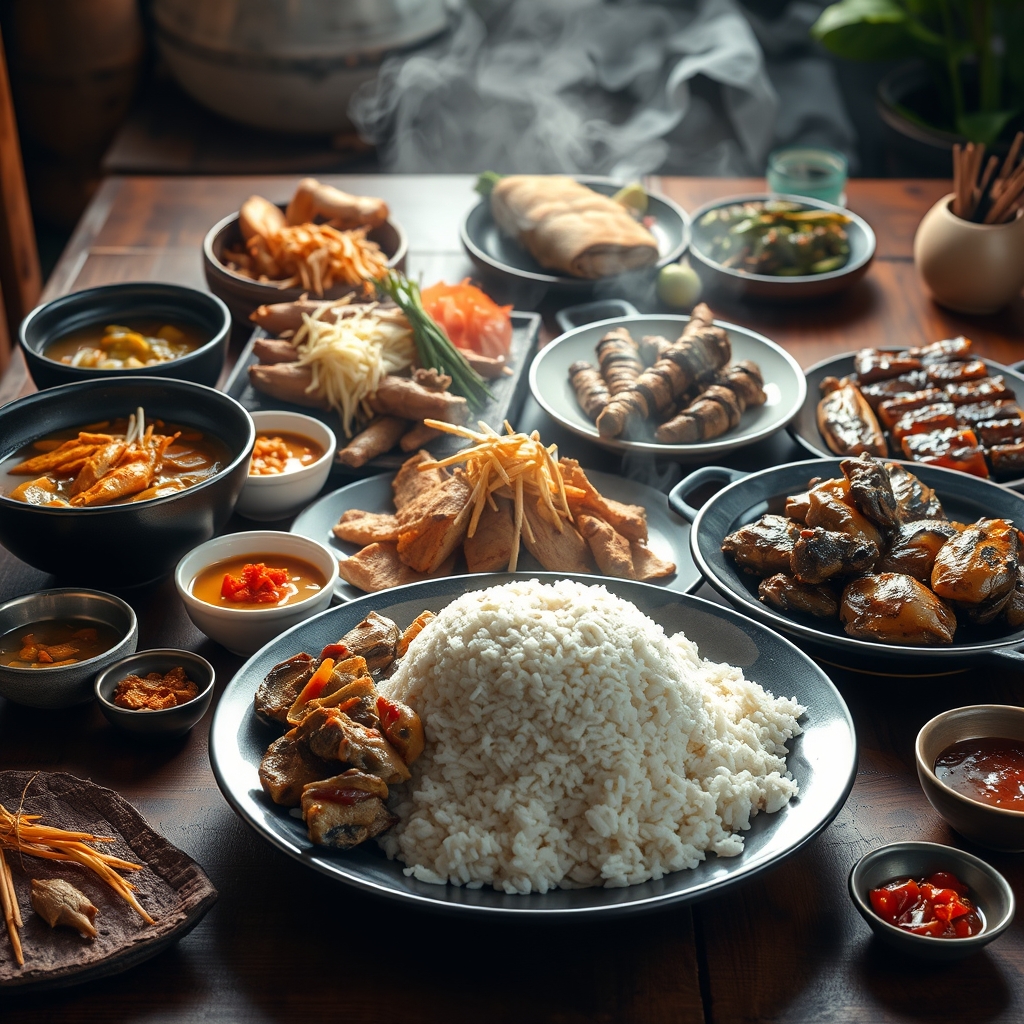
Indonesia’s culinary landscape is a vibrant tapestry woven with threads of history, culture, and geography. Each region boasts dishes that are not just meals but narratives—stories of trade, migration, and tradition passed down through generations. These flavors are more than sustenance; they are the heartbeat of communities, connecting the past to the present in every bite. From the fiery spices of Sumatra to the delicate sweetness of Java, the archipelago’s cuisine is a testament to the diversity that defines Indonesia.
The Spice-Laden Legacy of Sumatra
Sumatra, the western gateway to Indonesia, is a land where spices reign supreme. Here, dishes like Nasi Padang Minangkabau and Ayam Tangkap Aceh tell tales of Minangkabau traders and Acehnese resilience. Nasi Padang, with its towering plates of rice surrounded by an array of curries, rendang, and sambals, is a feast for the senses. The Minangkabau people, known for their matrilineal culture, have perfected this communal dining experience, where every dish is a celebration of heritage. Meanwhile, Ayam Tangkap, a fragrant fried chicken dish from Aceh, is infused with lemongrass, turmeric, and galangal, reflecting the region’s proximity to ancient spice routes. The dish’s name, which translates to “captured chicken,” hints at its origins as a quick meal for hunters, now transformed into a beloved street food staple.
The Sweet and Savory Harmony of Java
Java, the cultural and political heart of Indonesia, offers a balance of sweet and savory flavors that mirror its rich history. Gudeg Yu Djum, a dish from Yogyakarta, is a masterpiece of slow-cooked young jackfruit simmered in palm sugar and coconut milk until it achieves a caramelized tenderness. This dish, often served with rice, chicken, and hard-boiled eggs, is a symbol of Javanese patience and craftsmanship. In Solo, Nasi Liwet takes center stage—a fragrant rice dish cooked in coconut milk and spices, traditionally served at celebrations. The dish’s simplicity belies its depth of flavor, a reminder that sometimes the most unassuming ingredients create the most profound experiences.
The Bold and Unapologetic Flavors of Eastern Indonesia
Eastern Indonesia is where boldness takes center stage. In Surabaya, Rawon Setan—literally “devil’s beef soup”—lives up to its name with its dark, almost black broth derived from keluak nuts. The dish’s rich, earthy flavor is a testament to the city’s love for intense, unapologetic tastes. Meanwhile, in Makassar, Coto Makassar Asli offers a hearty beef soup thickened with ground peanuts and spices, a dish that has warmed the souls of Sulawesi’s seafarers for centuries. Lombok’s Ayam Taliwang, a grilled chicken dish slathered in a fiery chili paste, is another example of the region’s fearless approach to flavor. The dish’s smoky, spicy profile is a reflection of the island’s volcanic landscapes and the fiery spirit of its people.
The Coastal Charms of the Archipelago
Indonesia’s coastal regions bring the ocean’s bounty to the table in dishes that are as fresh as they are flavorful. In Sidoarjo, Kupang Lontong combines tiny clams with compressed rice cakes in a tangy, spicy broth, a dish that captures the essence of East Java’s coastal communities. Palembang’s Mie Celor is another coastal gem—a noodle dish bathed in a rich coconut milk and shrimp broth, garnished with hard-boiled eggs and shrimp. The dish’s creamy texture and umami depth are a nod to the city’s history as a bustling port, where flavors from across the archipelago and beyond converged.
The Street Food Chronicles
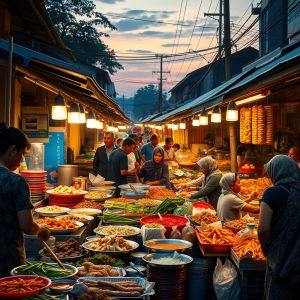
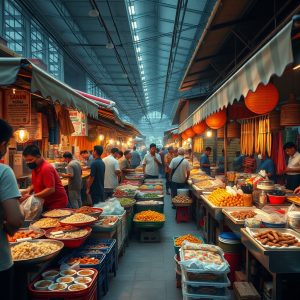
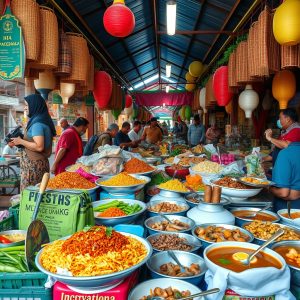
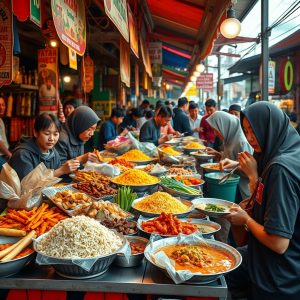
No exploration of Indonesia’s regional cuisine would be complete without a nod to its street food culture. In Bantul, Sate Klatak stands out with its unique preparation—skewers of lamb or goat grilled over an open flame, seasoned simply with salt and pepper. The dish’s name, derived from the sound of the skewers hitting the grill, is a testament to the simplicity and ingenuity of street food vendors. Surabaya’s Tahu Tek is another street food icon—a dish of fried tofu, boiled potatoes, and bean sprouts smothered in a peanut sauce, offering a perfect balance of textures and flavors. Meanwhile, in Semarang, Lumpia Semarang Rebung—a spring roll filled with bamboo shoots, shrimp, and chicken—reflects the city’s Chinese-Indonesian heritage, a fusion of cultures that has become a beloved part of Indonesia’s culinary identity.
These dishes are more than just food; they are the threads that weave together the fabric of Indonesia’s identity. Each bite is a journey through time, a taste of the land, and a connection to the people who have shaped these flavors. Whether it’s the fiery heat of Lombok’s Ayam Taliwang or the comforting sweetness of Javanese Gudeg, Indonesia’s regional cuisine is a celebration of diversity, resilience, and the unifying power of a shared meal. In a world where borders often divide, these dishes remind us that food has the power to bring us together, one plate at a time.